
Recurrent Poisoning Cases: HNW Urges Comprehensive Evaluation of Free Nutritious Meal Programme and Strict Legal Sanctions
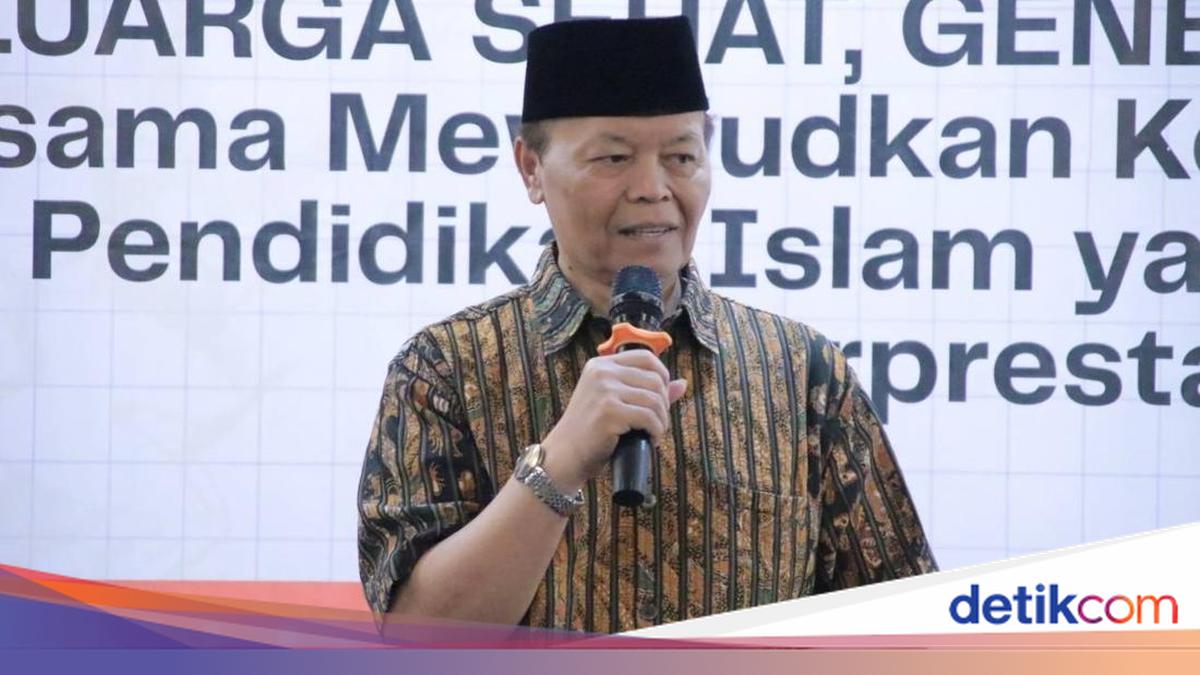
The Vice Chairman of the MPR RI and Member of Commission VIII of the DPR RI, Hidaylar Nur Wahid (HNW), has urged the government to immediately evaluate and correct the implementation of the Free Nutritious Meal (MBG) programme. This demand follows recent reports of suspected food poisoning among children in several regions over the past few days.
HNW also called for severe sanctions and strict law enforcement against SPPG (Food Service Providers) or any parties proven to be involved in these incidents. HNW considers the issue extremely serious, as the MBG beneficiaries include students and religious school students (santri) who should be guaranteed safe and nutritious food, in line with the programme’s original objectives.
“If poisoning incidents like this continue to recur, it is certainly not enough to handle them on a case-by-case basis. There must be a fundamental evaluation and correction from upstream to downstream, as well as the imposition of severe sanctions and strict law enforcement, so that the same problem does not keep happening and the safety of children truly becomes the priority,” HNW stated in a written release on Friday (4/9/2026).
HNW highlighted several cases occurring in recent days, including suspected MBG poisoning affecting 566 students at the Manbaul Hikam Islamic Boarding School in Sidoarjo, where fatalities were reportedly reported; 752 students and 25 teachers at SMAN 1 Lasem Rembang; 152 students in Tana Toraja; 181 students and teachers in Agam; as well as dozens of students in Klaten, Nganjuk, and several other regions.
In the case of the Manbaul Hikam Boarding School in Sidoarjo, the Head of the National Nutrition Agency (BGN), Sudaryono, stated that the incident occurred due to negligence by SPPG officers regarding the food distribution system and timing.
“If it is indeed the negligence of the SPPG as stated by the Head of BGN, and not the fault of the boarding school or the beneficiaries as claimed by the students, then there must be severe sanctions and strict punishment to serve as a deterrent, strengthening discipline and responsibility across all SPPGs,” he added.
Nationally, data from the Indonesian Education Monitoring Network (JPPI) recorded 3,079 victims in August 2026, with a cumulative total of 15,735 victims from January to August. This may correlate with a rising public perception that the MBG programme should not continue, with a Poltracking survey in July 2026 showing this sentiment at 44.6%.
Furthermore, the rate of food waste from the MBG programme is also very high. According to an Indikator Politik survey in July 2026, 41.7% of children were reported to frequently discard food from the MBG programme.
“Therefore, based on public aspirations and the current conditions of poisoning and food waste, for the sake of protecting children’s safety and ensuring the MBG programme is implemented correctly, the programme should undergo a total evaluation, and even be temporarily suspended if necessary during that process,” said HNW.
HNW emphasised that child protection is a constitutional mandate under Article 28B, paragraph (2) of the 1945 Constitution of the Republic of Indonesia, which guarantees every child’s right to life, growth, and development, as well as protection from violence and discrimination.
“From our perspective in Commission VIII, the MBG must be ensured to align with the mandate of the Child Protection Act, so that aspects of children’s health and safety are not sidelined for the sake of programme distribution targets. This is essential to prepare a ‘Golden Generation’ that is free from anxiety as we move towards Indonesia Emas 2045,” he concluded.