
Record Heatwave Devastates European Harvests, Threatens to Spike Food Prices
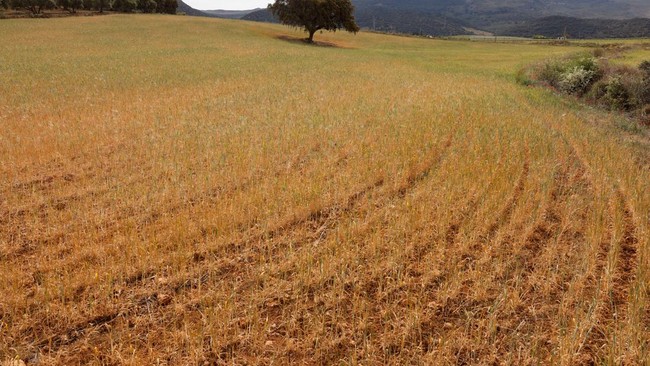
A record-breaking heatwave in Europe is beginning to batter the food sector. Cereal production is estimated to shrink by around 9 million tonnes, with the value of lost harvests reaching approximately €2 billion (over Rp37 trillion) based on current prices. This supply reduction not only cuts farmers’ incomes but, amid tightening global supplies, the lost production could push up commodity prices and increase Europe’s dependence on grain imports. The estimate was calculated by the Energy and Climate Intelligence Unit (ECIU) based on the latest harvest projections from Coceral, the European trade association for cereals and oilseeds. The figure does not yet include losses in other commodities such as vegetables or livestock.
Coceral’s latest projections indicate that production of wheat, barley, maize, and oats across the 27 EU countries and the UK will be the lowest since 2018. The revision follows the hottest June ever recorded in Western Europe. Overall, the harvest is expected to be about 9 million tonnes lower than previous projections, a scale of loss that exceeds the combined total cereal production expected this season from Austria, Ireland, and the Netherlands.
The problem is not just the higher temperatures. The heatwave arrived during a critical phase for crop development. According to Coceral, maize was hit during its pollination period, when kernel formation is highly dependent on weather conditions. Meanwhile, wheat was under stress during the grain-fill phase, a period when the grain needs sufficient water to develop optimally. As temperatures rose and soil moisture declined, these processes were disrupted, leading to lower yields.
France is expected to suffer the largest production loss, with Coceral estimating around 3.4 million tonnes of maize lost, valued at approximately €891 million. After France, the largest declines are projected in Hungary, losing about 2.4 million tonnes, and Spain, losing around 1.4 million tonnes. For farmers, the impact is already being felt. Benoît Merlo, a farmer in the Auvergne-Rhône-Alpes region of France, said temperatures remaining above 38 degrees Celsius for weeks made it difficult for crops to survive. He estimates that yields for some commodities, including soybeans, could fall by 50% to 70% this year.
In the UK, the effects are also being felt. After a dry spring and a June heatwave, many farmers report that land is losing moisture, particularly in East Anglia and the southeast. Helen Plant, a cereals and oilseeds analyst at the Agriculture and Horticulture Development Board (AHDB), said a lack of rainfall through much of April and May hindered crop development, especially for spring crops and winter cereals with limited water reserves. The AHDB also noted that this year’s yields remain uncertain because many farmers were forced to harvest early due to the hot, dry weather. Paul Tompkins, Vice President of the National Farmers’ Union (NFU), said farmers across the country are working around the clock to salvage crops, keep fruit and vegetables watered, and care for their livestock.
When production falls, the impact extends beyond farmers. A smaller European cereal supply could force the region to increase imports of wheat and other food commodities to meet domestic needs. This shift could tighten supplies on the international market, especially when production from other regions is not yet fully available. Under such conditions, food commodity prices could be pushed upwards, though the extent of the increase will depend on harvest developments in the Southern Hemisphere later in 2026 and early 2027. The risk is amplified because pressure on food production is not confined to Europe. The Guardian reports that severe drought in the southern and western United States is also affecting grain and meat production. This means the global market is facing pressure from more than one major producing region. If additional supply from other countries cannot compensate for the shortfall, weather shocks on one continent could ripple into renewed price pressures worldwide. A recent report from the Food and Agriculture Organization (FAO) and the World Meteorological Organization (WMO) warned that the global food system is on the front line of the heat crisis, with over 1 billion people now exposed to extreme heat and some 500 billion work hours lost annually because temperatures are too high to work.
Source: jawawa.id (https://jawawa.id/newsitem/record-heatwave-devastates-european-harvests-threatens-to-spike-food-prices-1784883119)
Originally published by CNBC Indonesia (https://www.cnbcindonesia.com/research/20260724115146-128-753550/gelombang-panas-hancurkan-panen-eropa-harga-pangan-bisa-meledak), translated from Indonesian