
Record: Ebola in Congo Surpasses 1,000 Cases in a Month
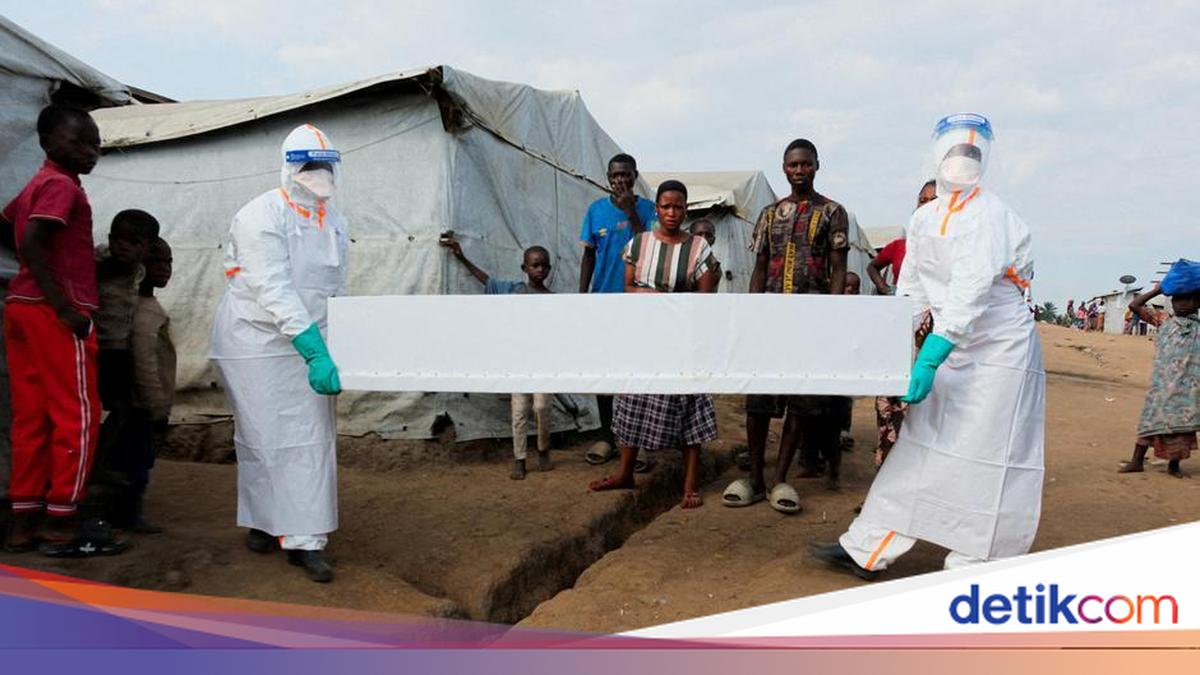
Senior World Health Organization (WHO) officials stated during a briefing in Geneva on Tuesday (23/6) that the Ebola outbreak in the Democratic Republic of Congo (DRC) has recorded the highest number of confirmed cases in the first month compared to any previous Ebola outbreak in Africa. As of Monday (22/6), officials had confirmed more than 1,000 cases and 267 deaths from the Bundibugyo ebolavirus outbreak, a relatively rare strain of Ebola. “This is the largest number of confirmed cases in the first month of an Ebola disease outbreak in Africa,” said WHO Director of Health Emergency Alert and Response Operations, Abdirahman Mahamud, in a press release. The WHO officially confirmed the outbreak on 15 May, but experts believe the virus may have been circulating for weeks or even months prior. Dozens of cases have been confirmed in displacement camps in eastern Congo. “The response must be scaled up to keep pace with the evolving outbreak, and that is beginning to happen,” Mahamud said after returning from a visit last week to a treatment centre in Bunia, the epicentre of the outbreak. Cases have now also been confirmed in at least three densely populated displacement camps in the conflict-ridden eastern region of Congo. Abdoulaye Wone from the International Organization for Migration (IOM) said during the same briefing in Geneva on Tuesday that 25 cases had been confirmed in those camps, including 14 deaths. According to the United States Centers for Disease Control and Prevention (CDC), there have been more than 20 Ebola outbreaks in Africa since the 1970s. The two deadliest outbreaks occurred in Guinea, Sierra Leone, and Liberia in West Africa, killing 11,000 people between 2014 and 2016, and another outbreak in Congo that began in 2018 with 2,229 recorded deaths. Separately, Kenya’s Health Minister, Aden Duale, assured a Kenyan court on Tuesday that he had ordered the immediate halt of construction of a US-backed Ebola quarantine facility at an airbase. Duale was found in contempt of court on Monday (22/6) for failing to comply with a previous order to stop construction pending a judicial review. The tented facility in the town of Nanyuki, central Kenya, was planned as a treatment centre for US citizens should they contract Ebola during the outbreak in the Democratic Republic of Congo. The plan, first announced in May, sparked protests that turned violent on several occasions, resulting in three deaths near the site. Judge Patricia Nyaundi Mande discharged Duale without further penalty after accepting his assurances, but warned him against further ignoring court orders. “I have instructed the immediate and complete cessation of any construction plans, site preparations, or related activities concerning the facility at Laikipia Airbase until the hearing and determination of the main suit or until further orders from this court,” Duale said during the sentencing hearing on Tuesday (23/6). The facility was being built at Laikipia Airbase, about 200 kilometres from the capital Nairobi, with a capacity of approximately 50 isolation beds. US medical personnel were expected to manage the facility. The plan triggered widespread domestic opposition and protests. Kenya has never recorded a single Ebola case, leading to public concerns about bringing patients into the country, even if flown directly to a secure medical facility. Human rights groups also successfully filed a lawsuit arguing the facility was being built secretly without public consultation. The government initially ignored the order to halt construction pending further review. Flight tracking data, satellite imagery, and accounts from US officials speaking on condition of anonymity indicated that site preparations continued despite the initial court order. The only US citizen to have contracted Ebola in the current outbreak, a doctor working as a medical missionary in the outbreak’s epicentre in eastern DRC, was flown to Germany for treatment at a specialist facility in Berlin. Kenya does not share a direct border with the Democratic Republic of Congo, but it lies directly east of Uganda, which borders the outbreak’s epicentre in Ituri Province, eastern DRC.