
Record Cold Emerges Amid Extreme Global Heat
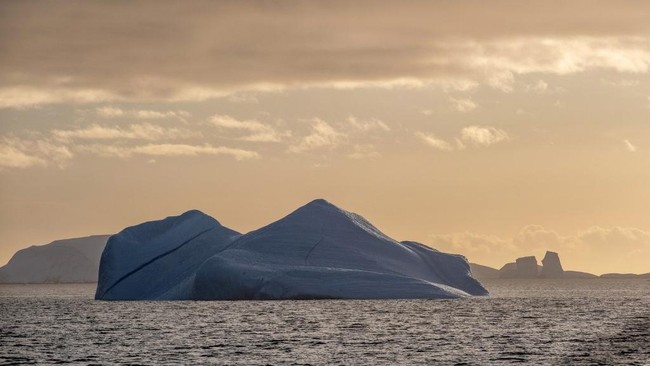
As extreme heatwaves and record temperatures grip the United States, Europe, and Asia, the Earth’s southernmost continent has recorded its lowest temperature in more than a decade. On 18 July 2026, the Concordia Research Station on the East Antarctic Plateau registered a temperature of -84.1 degrees Celsius. This is the lowest temperature measured anywhere on Earth since September 2012 and is just 0.5 degrees Celsius shy of the station’s all-time record of -84.7°C, set in August 2010.
The extreme cold in Antarctica occurred simultaneously with blistering heat in the Northern Hemisphere. On the same day, the city of Omidieh in Iran recorded a high of 52.7°C, the hottest temperature documented so far in 2026. This created a staggering temperature difference of 136.8 degrees Celsius between the hottest and coldest places on Earth within a single week.
Unlike the Northern Hemisphere, which is currently experiencing summer, Antarctica is in the depths of its winter, undergoing the polar night phenomenon where the sun does not rise for weeks or months. The Concordia Station is situated at an altitude of over 3,200 metres deep in the interior of the continent, an ideal location for extreme freezing. The air is exceptionally thin and dry, meaning there is almost no substance to retain residual heat, while the ice sheet radiates its remaining warmth into the clear sky.
Despite the extreme reading, this event did not break the official world record. The World Meteorological Organization still recognises the -89.2°C recorded at Russia’s Vostok Station in Antarctica on 21 July 1983 as the lowest confirmed temperature on Earth. Researchers anticipate that temperatures in Antarctica could potentially drop even further until the end of August, before the winter season concludes and the sun returns to the region. This phenomenon demonstrates the immense range of temperatures the planet can accommodate and serves as a reminder that extreme weather events can occur simultaneously across different parts of the world, a fact that does not contradict the reality of global climate change.