
Record! Centenarians in Japan Surpass 100,000 – Here is the Secret
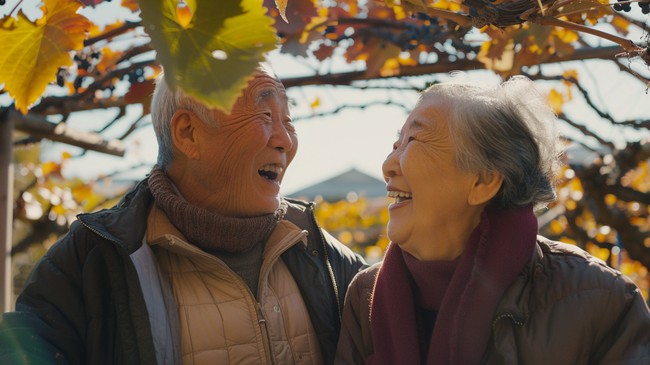
Japan has marked a new milestone in life expectancy as the number of residents aged 100 or older has surpassed 100,000 for the first time. However, this achievement also highlights increasingly serious demographic challenges, alongside a shrinking productive-age population and low birth rates.
According to data from the Japanese Ministry of Health, Labour and Welfare released on Tuesday (15/09/2026), as reported by Al Jazeera, 107,677 people aged 100 and above are recorded living in the country. This figure represents an increase of 7,914 people compared to the previous year and marks the highest record for 5 decades in a row.
Of this total, 94,298 people, or approximately 87.6 per cent, are women. This data reinforces Japan’s position as one of the oldest populations in the world.
Japan’s Minister of Health, Kenichiro Ueno, welcomed the achievement. He expressed his joy in seeing more citizens able to lead long, healthy, and active lives.
Ueno attributed the increase in life expectancy to advancements in medical technology, improved diets, and healthy lifestyles. Nevertheless, he also emphasised the importance of maintaining the sustainability of the social security system amidst a continuously ageing population.
The Elderly Population Continues to Grow
Behind the positive news, Japan faces complex demographic issues. The elderly population continues to rise, while birth rates are at their lowest in history.
Nearly three out of every ten Japanese residents are now aged 65 or older. This proportion is projected to approach 40 per cent by 2070.
In 2025, Japan’s total fertility rate was recorded at just 1.14 children per woman, far below the approximately 2.1 required to maintain a stable population without relying on immigration.
This situation is causing the Japanese population to continue shrinking. Government projection data estimates the country’s population will drop from around 128 million in 2008 to 87 million by 2070.
Why Do Many Japanese Citizens Live Long Lives?
There is no single factor explaining the high number of residents aged 100 and above in Japan. Researchers generally attribute it to a combination of diet, daily activities, and access to healthcare.
The traditional Japanese diet, rich in fish, vegetables, and rice, and tending to be low in saturated fats, is frequently cited as a supporting factor for longevity.
Additionally, physical activities such as walking, cycling, and the use of public transport are part of the community’s routine, including among the elderly. Group exercise and community involvement also help maintain fitness and social connections.
Japan’s universal health insurance system also plays a role by providing widespread access to medical services and treatments.
Longevity and the Economic Burden
The increasing number of elderly citizens brings significant consequences for the Japanese economy.
As more residents enter retirement, there is a greater need for pension funds, healthcare, and social care. At the same time, the number of workers financing this system through taxes and social security contributions continues to decline.
This condition creates pressure on national finances and the younger generation of workers. Various sectors, ranging from construction, agriculture, and transport to healthcare and elderly care, also face labour shortages.
Rural areas are among the most affected. The migration of young people to cities means several communities are increasingly dominated by elderly residents, while labour and public services become increasingly limited.
Government Efforts to Reverse Birth Trends
To address these issues, the Japanese government has launched various policies, including child allowances, childcare subsidies, parental leave programmes, and other incentives to encourage couples to have children.
However, these policies have not yet succeeded in reversing the long-term downward trend in birth rates.
Social science experts link low birth rates to several factors, such as more young people delaying or choosing not to marry, job uncertainty, stagnant wages, and the burden of childcare and housework.
The increasing participation of women in the workforce has also not always been accompanied by an equal division of domestic responsibilities, making the decision to start a family increasingly complex.
The Japanese government faces the challenge of maintaining a balance between supporting the elderly population and creating conditions that allow the younger generation to build families.
Japan is Not the Only Ageing Nation
Population ageing is not occurring only in Japan. The World Health Organization (WHO) describes the increase in life expectancy as one of humanity’s greatest achievements.
According to the WHO, global life expectancy reached 73.3 years in 2024, an increase of 8.4 years compared to 1995. The global population aged 60 and over is projected to increase from 1.1 billion in 2023 to 1.4 billion by 2030.
However, the demographic transition is even more advanced in several countries. Based on UN estimates for 2023, the median age of the Japanese population reached 49 years, followed by Italy at 47.5, Portugal at 46.2, Greece at 45.7, and Germany at 45.1.
Thus, the record of over 100,000 citizens aged 100 and above serves as a dual image for Japan: a success in extending life, and a major challenge in ensuring economic and social sustainability amidst an ageing population.
Source: jawawa.id (https://jawawa.id/newsitem/record-centenarians-in-japan-surpass-100-000-here-is-the-secret-1789822311)
Originally published by CNBC Indonesia (https://www.cnbcindonesia.com/lifestyle/20260919163338-33-769223/rekor-warga-umur-seabad-di-jepang-tembus-100000-orang-ini-rahasianya), translated from Indonesian