
Recontextualising Hardiknas: Empowered Women, a Reading Nation
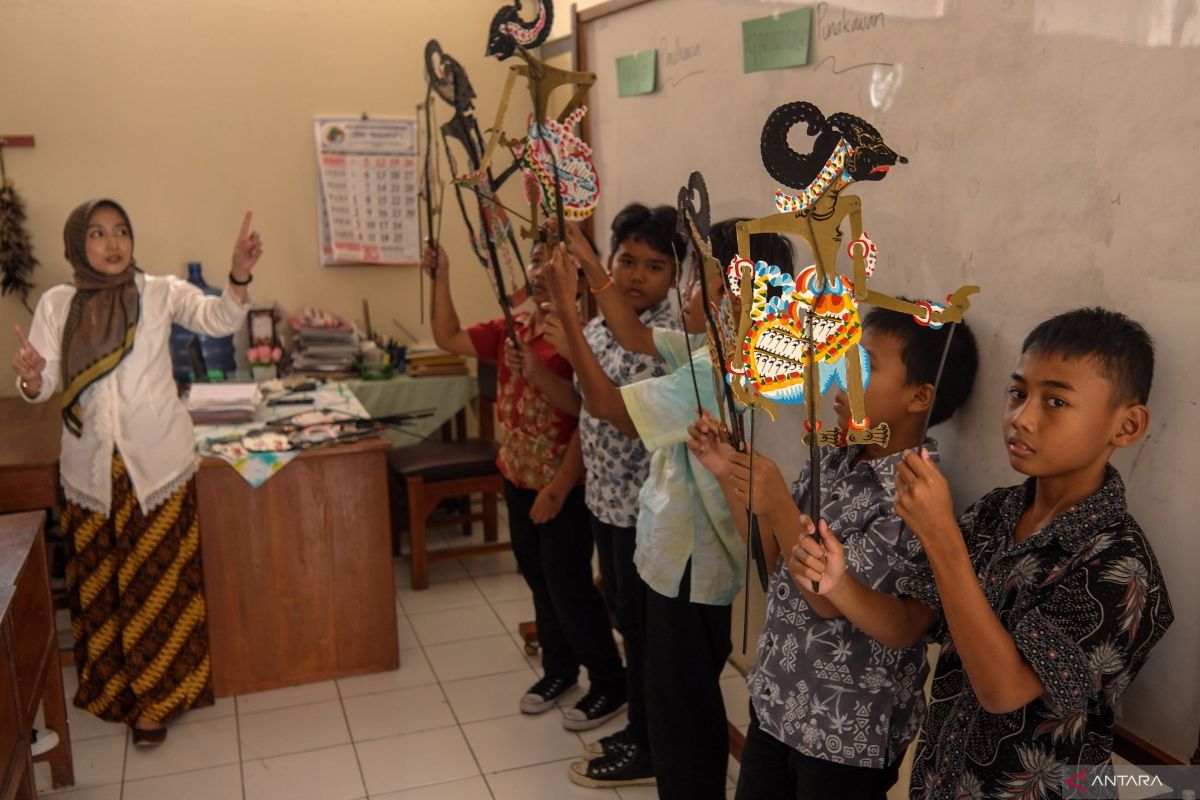
Regions have provided lessons. Now it is time for all of Indonesia to learn.
Jakarta (ANTARA) - The momentum of National Education Day should become a space for collective reflection, particularly regarding the equitable distribution of our education, whether it truly reaches our siblings at the ends of the archipelago? Then, when looking at literacy scores that often plummet, we should consider where to start to improve them?
Reflective questions like these need to be echoed every year, not to lament problems, but to fix them gradually.
Some time ago, the Ministry of Basic and Secondary Education (Kemendikdasmen) through the Agency for Language Development and Cultivation organised the Gelar Wicara event titled “Empowering Women through Education to Improve Literacy”.
That event is a forum which, although it sounds like a purely ceremonial agenda, actually has much deeper and more urgent meaning for us to reflect on together. It may be that the questions above can be answered through collective reflection from that event.
When regions speak
In that forum, Kemendikdasmen presented literacy fighters from East Nusa Tenggara (NTT). They were presented not as objects of policy, but as central figures sharing their best practices on the national stage. This is certainly not just about equitable geographical representation, but an acknowledgement that wisdom and innovation do not always originate from grand buildings in the capital.
The INOVASI programme, a partnership education programme between the Indonesian and Australian governments, bridged inspirational stories from literacy fighters in the remote Flobamora area to policymakers in Jakarta. Interestingly, they did not talk much about hardship or the complaints of their struggles, but about successes built on one often overlooked pillar, namely “women”.
Kemendikdasmen’s step in providing this sharing forum is certainly worthy of appreciation by all parties. At a time when there is a tendency for many policies to be top-down and uniform, forums like this indicate that there is still room to listen, learn from below, and acknowledge that change can start from a mother who diligently tells bedtime stories. In other words, the central role of women in nation-building should not only be celebrated on Kartini Day; Hardiknas is also worthy of being the same momentum.
Based on the stories from the best practices shared from NTT, the spirit of the literacy activists is evident in turning limitations into creativity. Mindriyati Astiningsih Laka Lena, Bunda Literasi NTT for the 2025–2030 period, for example, revealed that colourful illustrated reading books are “luxury items” for children in her area.
In the same country where we celebrate economic growth and digital transformation, there are still children who have never held an illustrated storybook. This certainly needs to be reflected on together.
Nevertheless, these limitations are not just lamented. Various solutions are offered: the “One ASN, One Worthy Book” movement, distribution of Reading Corners during every work visit to villages, advocacy for using BOS funds for quality books curated by the Language Agency. This becomes possible because there is a supportive ecosystem, including: Bunda Literasi, school principals, teachers, reading garden forums, Literacy Working Groups, to PKK cadres. It is not a one-man show; but a network of care that strengthens each other.