
Recommended Air Conditioning Temperature Settings During Summer
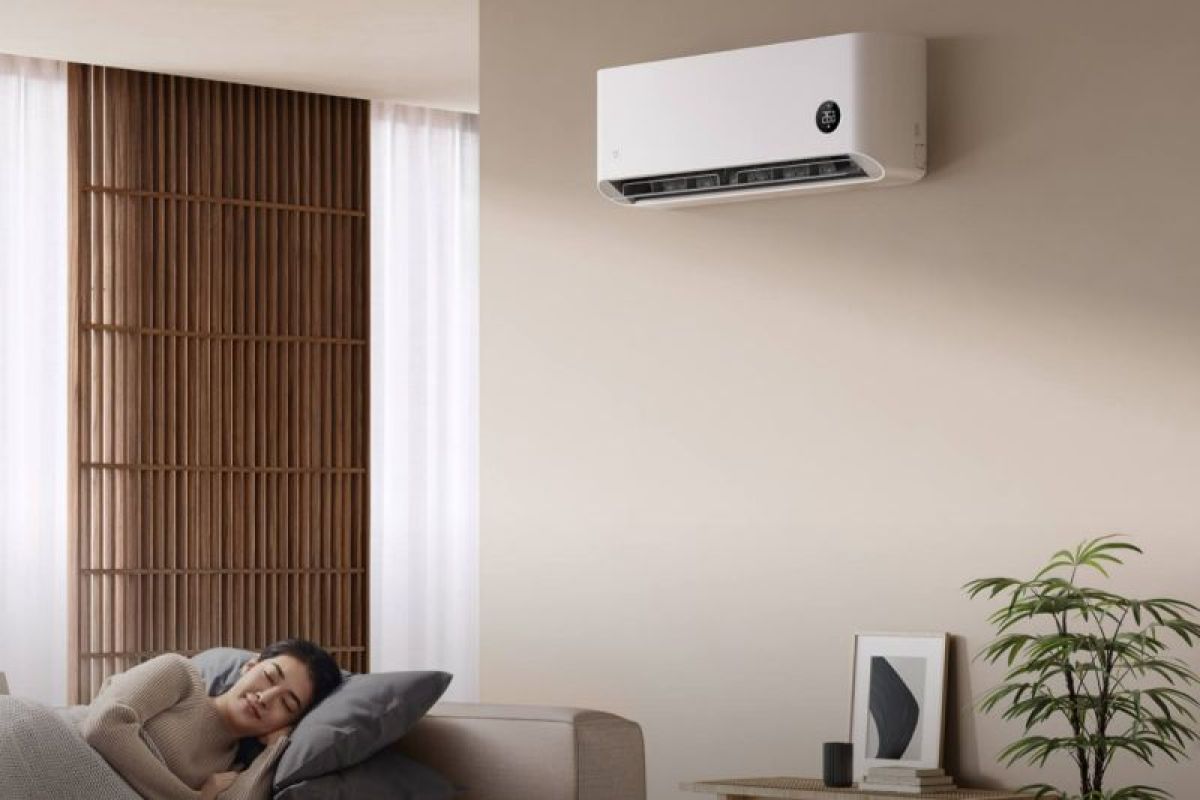
Jakarta (ANTARA) - Air conditioners are often relied upon to provide cool air during the summer months. However, excessive use of air conditioning carries the risk of triggering health problems.
As reported by Hindustan Times on Sunday, Dr. Divya Gopal, Director of Internal Medicine at Sir H. N. Reliance Foundation Hospital, stated that cold air from air conditioners can trigger symptoms similar to summer flu.
According to her, sudden temperature changes can affect the respiratory system. She explained that problems arise when the body constantly moves between two extreme temperatures, for example, when the outdoor temperature approaches 40 degrees Celsius while the indoor temperature is around 20 degrees Celsius.
A series of changes occur as the body continuously moves between extreme temperatures, such as going from an air-conditioned room to the hot outside air or even entering a warmer area of the house, like the kitchen without air conditioning.
This condition causes the nose to swell, producing mucus, and causing symptoms such as a runny nose or nasal congestion, even though there is no infection.
According to her, the body needs gradual adjustment, so it has difficulty coping with frequent temperature changes. These ‘temperature shocks’ can lead to symptoms resembling the common cold.
Dr. Gopal stated that humidity levels in indoor environments should be between 40 and 60 percent. If air conditioning is used for too long, humidity can drop to 20 to 30 percent.
“Dry air causes the mucous membrane in the nose to dry out, making it weaker and less able to trap viruses or pollutants,” she said.
Therefore, many people find that symptoms such as nasal congestion, a dry throat, and ‘summer flu’ decrease after moving to a more humid environment.
The condition of the air conditioner can also be a cause of recurring ‘summer flu’ symptoms. Dr. Gopal reminded the importance of regularly cleaning air conditioning filters.
If not cleaned, the filter can become filled with dust, pollen, mold, and bacteria, which then circulate in the air that is inhaled.
Furthermore, Dr. Gopal emphasized that during the summer, the temperature difference between the outside and inside should be within a range of 8 to 10 degrees Celsius.
“If the temperature outside reaches 40°C, you can first set the air conditioner to 28 or 30°C. After that, gradually lower it to 24 or 26°C so that the body can adjust without putting too much pressure on the respiratory system,” explained Dr. Gopal regarding safer temperature settings for the body.
If ‘summer flu’ symptoms persist for more than a week, especially accompanied by fever or body aches, it is advisable to consult a doctor immediately.