
Recognising the signs of heat exhaustion and heat stroke
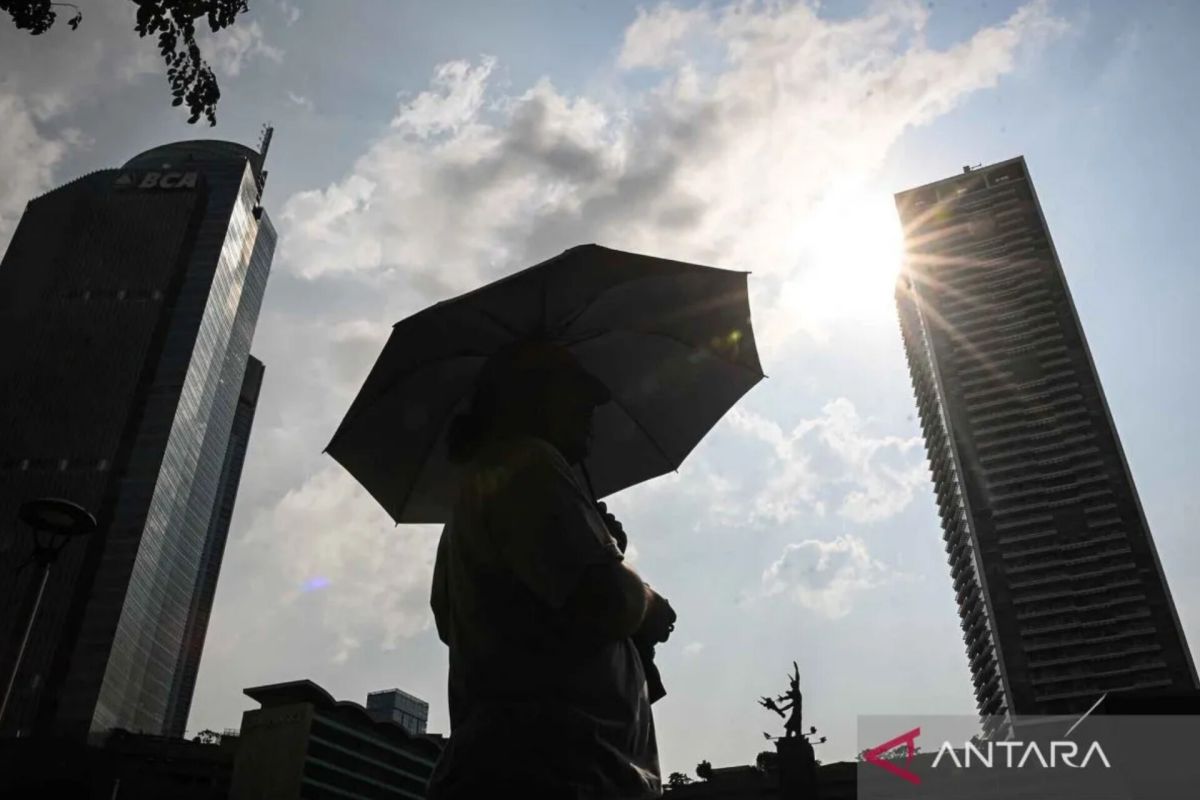
Jakarta (ANTARA) - Internal medicine specialist Faisal Parlindungan from the University of Indonesia Hospital (RSUI) has explained the signs of heat exhaustion and heat stroke, conditions that can occur when spending long periods outdoors in hot weather.
Contacted by ANTARA from Jakarta on Thursday, Dr Faisal Parlindungan, Sp.PD, explained that heat exhaustion occurs when the body loses large amounts of fluid and salt due to heat exposure and physical activity.
In such conditions, he said, a person may sweat profusely, feel thirsty, weak, dizzy, experience headaches, nausea or vomiting, and suffer muscle cramps.
Heat stroke, according to him, is a more severe condition than heat exhaustion.
Heat stroke, he continued, occurs when the body fails to regulate its temperature, causing body temperature to rise very high and potentially leading to organ dysfunction.
According to information published on the official website of the Ministry of Health, signs of heat stroke include a rise in body temperature to more than 40 degrees Celsius.
“In heat stroke, brain function impairment begins to appear. Sufferers may experience confusion, difficulty communicating, abnormal behaviour, slurred speech, seizures, and even loss of consciousness,” said Dr Faisal.
He added that loss of consciousness is the main symptom distinguishing heat stroke from heat exhaustion.
According to him, heat stroke is a medical emergency requiring immediate treatment to lower body temperature and prevent organ damage.
He said that heat stroke can trigger damage to organs such as the brain, kidneys, liver and muscles, as well as blood clotting problems if not treated promptly.
Treatment for the effects of heat exposure, according to information on the Ministry of Health’s official website, can also be carried out by applying cold compresses to the neck, armpits and groin areas to lower body temperature.
In addition, it is also important to drink plenty of water to avoid dehydration.
The Meteorology, Climatology and Geophysics Agency has issued an appeal to the public, especially those who must spend long periods outdoors, to be aware of the risk of health problems caused by hot weather during the dry season.
Source: jawawa.id (https://jawawa.id/newsitem/recognising-the-signs-of-heat-exhaustion-and-heat-stroke-1786618538)
Originally published by Antara (Indonesian) (https://www.antaranews.com/berita/5692668/kenali-tanda-tanda-heat-exhaustion-dan-heat-stroke), translated from Indonesian