
Recognising the Signs of a Stroke and What to Do First
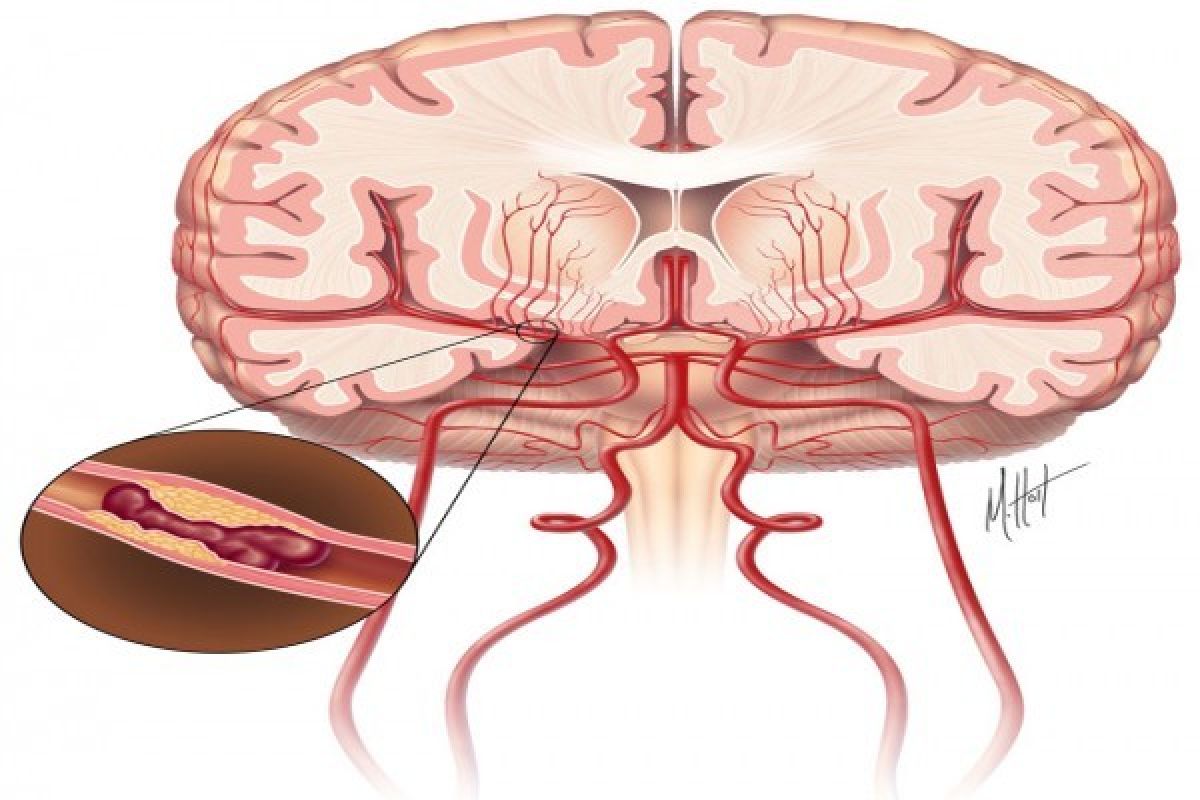
Jakarta (ANTARA) – A stroke is a medical emergency that occurs when blood flow to the brain is disrupted by a blocked blood vessel or a rupture. It can damage brain cells and lead to permanent disability or death if treatment is not given promptly.
Symptoms can appear suddenly, including an asymmetrical-looking face, weakness on one side of the body and difficulty speaking. Recognising these signs early is essential so the person can receive medical help quickly.
The World Health Organization (WHO), in a fact sheet updated on 19 December 2025, reported that there were around 11.9 million new stroke cases worldwide in 2021. An estimated 93.8 million people were living with conditions related to stroke that year. The figures highlight the significant global burden of the disease.
Stroke treatment depends greatly on how quickly help is received. People should therefore know which symptoms to watch for and what to do when someone is suspected of having a stroke.
Recognising stroke symptoms
Stroke symptoms generally appear suddenly. The signs can vary from person to person, depending on which part of the brain is affected and the severity of the disruption to blood flow.
The following symptoms should be treated as warning signs.
- An asymmetrical-looking face
One sign of stroke is sudden weakness in the facial muscles. One side of the face may droop when the person smiles, making the face look asymmetrical.
To check, ask the person to smile and see whether both sides of the face move evenly. If one side droops, suspect a possible stroke.
- Sudden weakness in an arm or leg
A stroke can cause weakness or numbness on one side of the body, including in an arm or leg. The person may have difficulty raising one arm, gripping objects, standing or walking as usual.
Ask the person to raise both arms. If one is difficult to lift or gradually drops, seek medical help immediately.
Do not delay calling for help just to complete this simple check if signs of a stroke are already apparent.
- Slurred speech or difficulty understanding words
Speech problems are another symptom to watch for. The person may slur their words, struggle to form words, speak unclearly or have difficulty understanding what others say.
Ask the person to say a simple sentence. If their speech sounds unusual or suddenly becomes difficult to understand, this may be a sign of stroke.
- Sudden vision problems
A stroke can also affect vision. Symptoms may include blurred or double vision, or sudden loss of sight in one or both eyes.
Sudden vision problems, especially when accompanied by other neurological symptoms, require immediate medical assessment.
A person having a stroke may also experience sudden dizziness, difficulty walking, loss of balance or problems with coordination.
These symptoms are sometimes mistaken for ordinary tiredness. However, if they appear suddenly, particularly alongside weakness in a limb or speech problems, they should be taken seriously.
- Sudden, severe headache
A very severe headache that comes on suddenly without an obvious cause may be a sign of stroke, particularly a stroke caused by a burst blood vessel in the brain.
This symptom requires urgent attention, especially if accompanied by vomiting, reduced consciousness or other neurological problems.
These symptoms are not always caused by a stroke. However, people should not try to confirm the diagnosis themselves before seeking help. If warning signs appear, take the person to an emergency department immediately.
How to recognise a stroke using FAST
FAST is a simple way to recognise stroke symptoms. It helps people remember the main warning signs and the importance of acting quickly.
- F – Face
Check whether one side of the person’s face droops when they smile.
- A – Arms
Ask the person to raise both arms and check whether one is weak or droops.
- S – Speech
Listen for sudden slurring, unclear speech or difficulty understanding what is said.
- T – Time
If any of these signs are present, seek emergency medical help immediately. Do not wait for all the symptoms to appear.
The BE FAST method also includes Balance problems and Eyes, or vision problems. These signs are important because a stroke does not always begin with facial drooping or speech difficulties.
What to do if someone is having a stroke
How quickly help is given can affect whether the person receives appropriate treatment. If someone shows signs of a stroke, take the following steps.
- Call emergency services immediately
Do not wait for the symptoms to improve on their own. Call an ambulance or the local emergency service and explain that the person may be having a stroke.
In Indonesia, contact the emergency services available in your area or arrange for the person to be taken to an emergency department (IGD) immediately. An ambulance is preferable because responders can provide assistance during the journey and direct the patient to an appropriate facility.
Do not delay departure to monitor how the symptoms develop.
- Note when the symptoms first appeared
Record when the symptoms were first noticed. If the precise time is unknown, note when the person was last seen in their normal condition.
This information is important for medical staff deciding on treatment. Some stroke therapies have a limited time window, while eligibility for others depends on examination and brain imaging results.
A person having a stroke may have difficulty swallowing, so food, drink or medicines given by mouth could enter the airway.
Do not give aspirin on your own initiative. A stroke can be caused by either a blockage or bleeding in the brain, and the two conditions require different treatment. Aspirin may worsen bleeding if given inappropriately.
Wait for medical staff to advise what medicines or food and drink, if any, are safe to give.
- Help the person remain safe and comfortable
Stay with the person and prevent them from walking alone if they are weak or have lost their balance. Loosen tight clothing and make sure the surrounding area is safe.
If the person is unconscious but breathing normally, monitor their airway and follow emergency staff’s instructions on a safe position. If they are not breathing normally, tell the emergency service immediately and follow any resuscitation guidance provided.
Do not force the person to stand or move them roughly.
- Do not wait for the symptoms to go away
Stroke symptoms sometimes disappear after a few minutes. This may be a transient ischaemic attack (TIA), often called a mini-stroke.
Even if the symptoms subside, a TIA still requires immediate medical assessment because it may warn of a future stroke risk.
Do not cancel medical help just because the person appears to have recovered.
A stroke can disrupt the supply of oxygen and nutrients to brain tissue. When blood flow stops or bleeding occurs, brain cells can be damaged, affecting a person’s ability to move, speak, remember and carry out everyday activities.
Treatment depends on the type of stroke and the patient’s condition. For an ischaemic stroke caused by a blocked blood vessel, doctors may consider clot-dissolving medicines or a procedure to remove the clot through a blood vessel, if the patient meets the medical criteria.
A haemorrhagic stroke caused by a ruptured blood vessel requires treatment to control the bleeding and prevent complications. Surgery may be needed in some cases.
Brain imaging, such as a computed tomography (CT) scan or magnetic resonance imaging (MRI), helps doctors distinguish between stroke types and decide on the appropriate treatment.
The sooner a patient receives assessment and appropriate treatment, the greater the chance of reducing brain damage. However, outcomes also depend on the type and severity of the stroke, the patient’s health and when treatment begins.
How to reduce the risk of stroke
In addition to recognising the symptoms, people can take steps to reduce their risk of stroke.
Check blood pressure regularly and follow treatment if you have hypertension. High blood pressure is one of the main risk factors for stroke.
Manage blood sugar and cholesterol through health checks and appropriate treatment. Diabetes and uncontrolled cholesterol can increase the risk of blood vessel problems.
Eat a balanced diet with plenty of vegetables, fruit and healthy sources of protein. Limit excessive salt and foods high in saturated fat.
Exercise regularly, according to your ability. Avoid smoking and exposure to second-hand smoke, and limit alcohol consumption.
If you have heart disease or another condition that increases your risk of stroke, attend regular check-ups and follow your doctor’s advice.
These preventive measures cannot eliminate the risk of stroke entirely, but they can help reduce it, particularly when modifiable risk factors are managed consistently.
Recognising stroke symptoms and acting quickly are vital to protecting the person’s safety. Sudden facial asymmetry, weakness on one side of the body, speech problems, loss of balance and vision problems should all be treated as warning signs. If a stroke is suspected, do not wait for symptoms to worsen or disappear. Seek emergency medical help immediately.
Source: jawawa.id (https://jawawa.id/newsitem/recognising-the-signs-of-a-stroke-and-what-to-do-first-1794383765)
Originally published by Antara (Indonesian) (https://www.antaranews.com/berita/5846275/kenali-tanda-stroke-dan-langkah-pertolongan-pertamanya), translated from Indonesian