
Recognising the Often-Overlooked Signs of High Cholesterol
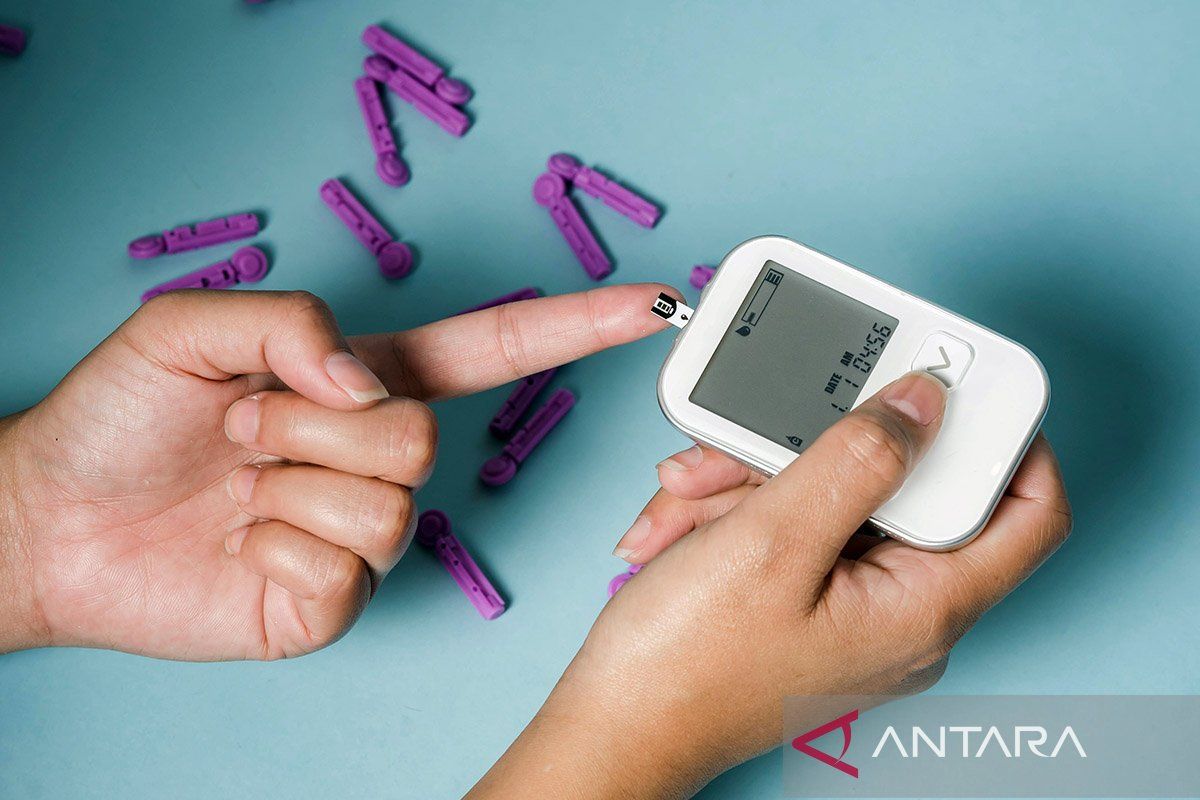
Jakarta (ANTARA) – High cholesterol is a health problem that warrants attention because it often causes no specific symptoms. The condition can persist for years without being noticed until a person develops more serious health problems, such as heart disease or stroke.
Cholesterol is a fatty substance the body needs to build cells, produce hormones and support metabolism. However, excessive levels—particularly of low-density lipoprotein (LDL), or “bad” cholesterol—can increase the risk of plaque building up on artery walls.
This build-up is known as atherosclerosis. Over time, it can narrow blood vessels and disrupt the flow of blood to the body’s organs.
So, what signs of high cholesterol should people look out for?
1. It often causes no symptoms
The first thing to know is that high cholesterol generally does not produce signs that can be felt directly.
A person can have high LDL levels while feeling healthy and experiencing no complaints. For that reason, relying on how one feels to determine cholesterol levels is not appropriate.
A blood test, or lipid profile, can measure total cholesterol, LDL, high-density lipoprotein (HDL) and triglycerides.
This is why high cholesterol is often called a hidden health problem. People may only discover they have it during a routine health check.
2. Yellowish lumps appear on the skin
One physical sign that may be associated with high cholesterol is xanthoma, or a build-up of fat beneath the skin.
It usually appears as yellowish lumps, which can develop around the elbows, knees, hands, feet or other parts of the body.
Xanthomas are more commonly found in people with certain disorders of fat metabolism, including conditions involving very high cholesterol.
However, not every yellowish lump indicates high cholesterol. A medical examination is still needed to establish the cause.
3. Yellowish patches appear around the eyelids
High cholesterol can also be associated with xanthelasma: yellowish patches or lumps caused by fat building up beneath the skin.
These usually appear around the eyelids, particularly near the corners of the eyes. They can be flat or slightly raised, with a soft texture.
Xanthelasma may occur in people with high cholesterol, but it is not always linked to the condition. Some people who develop it have normal cholesterol levels.
Even so, these patches should not be ignored, particularly if there is a family history of high cholesterol.
Another sign sometimes associated with high cholesterol is corneal arcus, a white-grey or bluish ring around the edge of the eye’s cornea.
The ring forms when fat accumulates at the edge of the cornea. It is more common in older people and does not always indicate high cholesterol.
However, if it appears in someone under the age of 45, it warrants medical attention because it may be associated with blood-fat disorders, including inherited high cholesterol. Further examination is needed to determine the cause.
5. Leg pain when walking
High cholesterol over a long period can lead to plaque building up in blood vessels, including those that carry blood to the legs.
If the narrowing becomes severe, a person may develop peripheral artery disease. One symptom is pain, cramping or a feeling of heaviness in the legs when walking or exercising.
The discomfort usually subsides after resting. This condition is known as intermittent claudication.
However, leg pain does not directly indicate that someone has high cholesterol. It can also be caused by muscle or nerve problems, or other health conditions.
6. Chest pain caused by impaired blood flow
High LDL levels can cause plaque to build up in the blood vessels supplying the heart. If blood flow to the heart muscle is reduced, a person may experience angina, or chest pain.
This may feel like pressure, heaviness, tightness or squeezing in the chest. The pain can sometimes spread to the arm, neck, jaw, back or upper abdomen.
It is important to understand that chest pain is not a direct symptom of high cholesterol, but may signal a complication caused by narrowed blood vessels.
If chest pain begins suddenly, particularly alongside shortness of breath, cold sweats or nausea, seek medical help immediately, as it could be a sign of a heart attack.
High cholesterol is one of the main risk factors for cardiovascular disease around the world.
The World Health Organization (WHO), in a fact sheet on dyslipidaemia published on 15 September 2026, estimates that about 39 per cent of adults worldwide have elevated total cholesterol.
In addition, high LDL is estimated to have contributed to around 3.6 million deaths in 2023, mainly through ischaemic heart disease and stroke.
These figures show that blood-fat disorders should not be taken lightly, particularly because most people with them do not experience symptoms.
How to detect and prevent high cholesterol
Because high cholesterol generally causes no symptoms, a blood test is the most reliable way to find out whether someone has it.
A lipid profile usually covers four main components:
Total cholesterol, which measures the overall amount of cholesterol in the blood.
LDL, known as “bad” cholesterol because it can build up on artery walls.
HDL, known as “good” cholesterol because it helps carry cholesterol back to the liver for processing.
Triglycerides, a type of fat in the blood that the body uses as an energy source.
Alongside regular testing, several habits can help keep cholesterol levels under control.
Limit fatty meat, butter, fast food and processed products that contain high amounts of saturated fat.
2. Eat more fibre
Choose foods such as vegetables, fruit, nuts and whole grains to help maintain healthy cholesterol levels.
3. Exercise regularly
Physical activities such as walking, cycling or swimming can improve heart health and blood-fat profiles.
4. Maintain a healthy weight
Managing weight can help reduce the risk of metabolic disorders, including unhealthy cholesterol and triglyceride levels.
5. Avoid smoking
Smoking can lower HDL levels and increase the risk of cardiovascular disease.
6. Have regular health checks
Check cholesterol levels regularly, particularly if you have a family history of high cholesterol, diabetes or heart disease.
Lifestyle changes are not always enough to control cholesterol in every person. Some people may need cholesterol-lowering medication on a doctor’s recommendation.
When should you see a doctor?
Do not wait for symptoms to appear before checking cholesterol levels. Even people who feel healthy may be at risk of high cholesterol.
Regular testing is advisable, particularly for people with risk factors such as excess weight, physical inactivity, smoking, diabetes, high blood pressure or a family history of heart disease.
If abnormal cholesterol levels are found, a doctor can determine the appropriate treatment based on the test results and the person’s overall health.
Recognising high cholesterol is therefore not just a matter of noticing physical changes; it also means understanding that the condition often develops without clear signs. Regular testing and a healthy lifestyle are important steps in reducing the risk of heart disease and stroke.
Source: jawawa.id (https://jawawa.id/newsitem/recognising-the-often-overlooked-signs-of-high-cholesterol-1794383714)
Originally published by Antara (Indonesian) (https://www.antaranews.com/berita/5846207/kenali-ciri-ciri-kolesterol-tinggi-yang-sering-diabaikan), translated from Indonesian