
Rebels Print New Currency to Pay Civil Servants Amid Sudan's Chaos
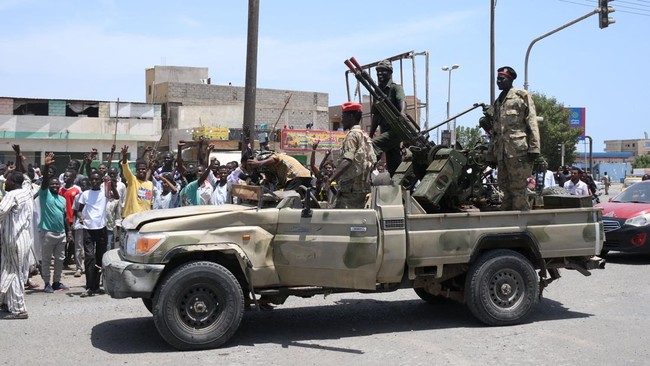
The civil war in Sudan is plunging the country deeper into chaos, with rebel forces now issuing new currency. Reports indicate the new banknotes have begun circulating widely in areas controlled by the paramilitary group fighting the national army, raising significant questions about their origin and the potential to further entrench the country’s division. The paramilitary Rapid Support Forces (RSF), which controls large swathes of Sudan including the vast western Darfur region, has already established a rival cabinet known as the Tasis government in a bid to take over state functions, including paying civil servant salaries. The struggle for control over Sudan’s currency has been a fierce point of contention since 2024, when the military-led government declared old banknotes invalid and issued new 500 and 1,000 pound denominations. In retaliation, the RSF declared the army’s new currency illegal, causing an extreme cash shortage in their territories. The cash crunch reportedly began to ease in late May when civil servants and RSF militiamen suddenly received their full salaries in Sudanese pounds. Locals described the circulating notes as being in pristine, unused condition, printed with an emission date of May 2022. While the legal origin of the print run remains unconfirmed, a banker in Nyala, the seat of the Tasis authority, believes the notes were recently printed on a massive scale. Adding to the mystery, the notes bear the signature of Hussein Yahia Jangol, the former central bank governor before the war, who has since been appointed by the rebels to lead their parallel central bank. The Tasis government’s Prime Minister, Mohamed Hasan al-Taishi, affirmed that his administration recognises the pound currency issued before June 2024. He declined to comment on the location of the printing but described the step as part of a measured economic strategy to maintain market stability. ‘Any arrangements related to cash management or liquidity provision are based on carefully considered technical plans aimed at maintaining economic stability and meeting the needs of citizens and the market,’ Taishi stated. He instead accused the military-aligned government of deliberately impoverishing civilians by manipulating the currency as a tool of war. Meanwhile, the official central bank allied with the government army remained silent and did not respond to requests for comment. The RSF’s attempt to legitimise its parallel central bank is predicted to hit a dead end globally, with international sanctions observers believing most countries will be extremely cautious and likely reject the paramilitary group’s parallel banking system outright. ‘But they are pushing ahead anyway… because they have a real problem they need to solve,’ said Suliman Baldo, head of the Sudan Transparency and Policy Tracker think tank. The wartime cash shortage has forced many Sudanese civilians to switch to Bankak, an online payment application owned by the Bank of Khartoum that can operate across battle lines. The Sudanese pound’s exchange rate has reportedly collapsed since the war erupted in April 2023, plummeting from 600 pounds to the US dollar to over 5,000 pounds in recent weeks.