
Reassessing the 'Sustainable' Promise Amid the Green Economy's Momentum
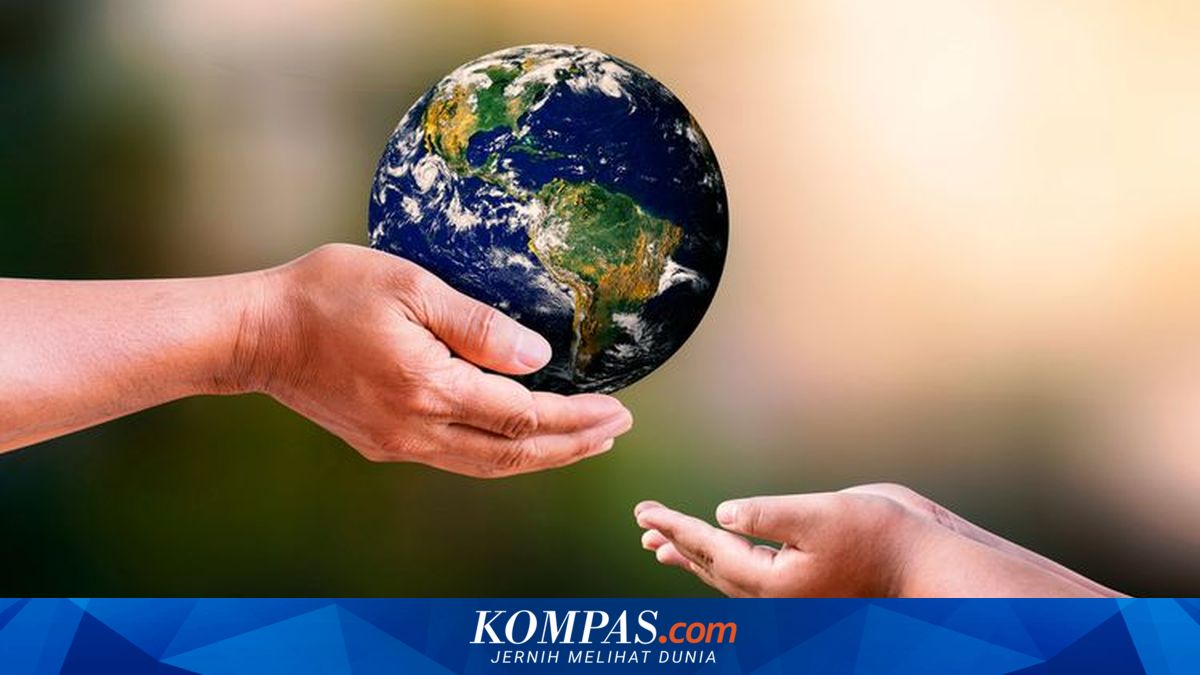
In the midst of the clamor over energy transition and the surge of ‘green’ investment highlighted in recent coverage, a fundamental question deserves to be asked again: does the sustainable development we champion truly alter course, or is it merely smoothing the face of the old growth pattern?
This question becomes pressing as the world—Indonesia included—grows more convinced that technological solutions and economic expansion can proceed hand in hand without bound.
In global discourse on the environmental crisis, the term ‘sustainable development’ often appears as a mantra of salvation.
Yet ecologist William E. Rees offers a sharp critique: the concept, in practice, resembles a soothing myth rather than a solution addressing the root causes.
For Rees, the failure lies not in a lack of technological innovation, but in humans’ fundamental misunderstanding of their position within the Earth’s life-support system.
Rees’s central argument rests on what he calls ecological overshoot—a situation where human consumption exceeds the planet’s regenerative capacity.
Within the conventional economic framework, nature is often reduced to little more than a supplier of raw materials or an external variable.
Yet ecologically, the economy is a subsystem of the environment, not a stand-alone entity.
Here lies a paradox rarely recognised. Efforts to push green technologies—such as electric vehicles or renewable energy—are indeed important, but too often they fail to touch the root of the problem if consumption patterns continue to grow unchecked.
Without changes to the scale and orientation of the economy, such innovations risk becoming mere cosmetics: slowing the damage, but not stopping it.
In this logic, sustainability becomes a soothing narrative—giving the impression of progress while preserving the status quo.
For Indonesia, this reflection feels highly relevant.
Amid the ambition for ‘Indonesia Emas 2045’, success indicators are still dominated by gross domestic product (GDP) growth.
But the more fundamental question is: what kind of growth are we pursuing, and at what ecological cost?