
Reasons why UNHCR refugees are not moving to third countries
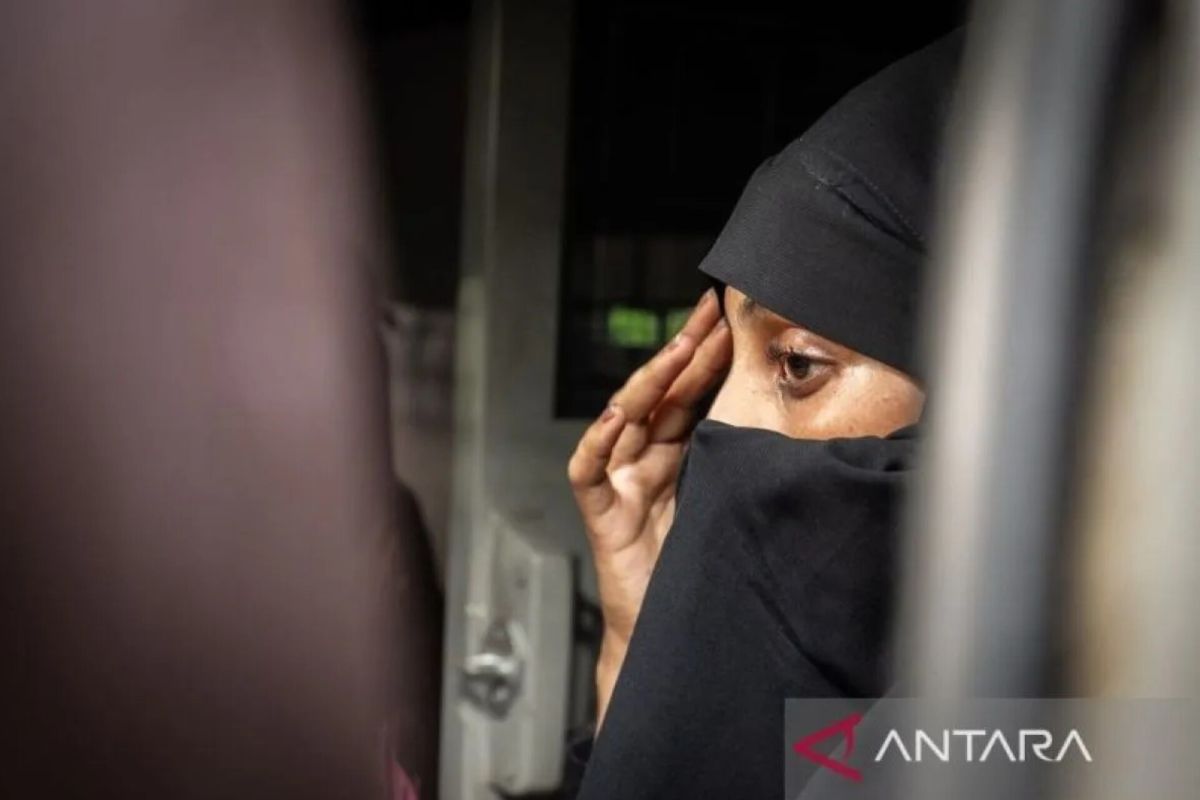
Jakarta (ANTARA) - The United Nations High Commissioner for Refugees (UNHCR) has highlighted the reasons why refugees are not moving to third countries, resulting in them having to wait for years in Indonesia.
“Globally, less than one per cent of refugees can enjoy the option of placement to a third country through resettlement. However, the criteria and quotas accepted are determined by the third countries, not by the UNHCR,” said UNHCR Assistant Protection Officer, Hendrik Therayk, when contacted in Jakarta on Monday.
Hendrik explained that resettlement is not an automatic right for all refugees, but rather one of the long-term solution options available to a very small fraction of refugees worldwide.
According to him, receiving countries have full authority to determine the number of quotas and the categories of refugees they will accept each year. In practice, priority is usually given to refugees who are in highly vulnerable conditions.
The UNHCR noted that many refugees still hope to be placed in third countries, but these expectations do not always align with the current reality. Furthermore, the UNHCR has observed that resettlement quotas are decreasing alongside the decline in global humanitarian support.
As a result, the waiting period for refugees in asylum countries such as Indonesia is becoming increasingly long. The UNHCR noted that, on average, refugees remain in Indonesia for seven years, while approximately 30 per cent of the roughly 12,000 registered refugees in Indonesia have lived here for more than 10 years.
Facing these conditions, the UNHCR is encouraging refugees to begin considering other alternatives, such as educational pathways, sponsorship programmes, or labour pathways in third countries.
“Refugees need to realise that relying solely on resettlement is not sustainable,” he said.
He assessed that refugees need to have alternative options and seek opportunities to develop themselves where they are while waiting for a long-term solution. The UNHCR believes that skill development, education, and economic self-reliance are important steps so that refugees can build more dignified lives while awaiting long-term solutions.
Previously, a number of refugees from Somalia, Africa, urged the United Nations High Commissioner for Refugees (UNHCR) to accelerate the placement process to third countries in front of the UNHCR regional office in Kuningan, South Jakarta.