
Reasons Why Trump's Venezuela Oil Deal Will Not Yield Immediate Impact
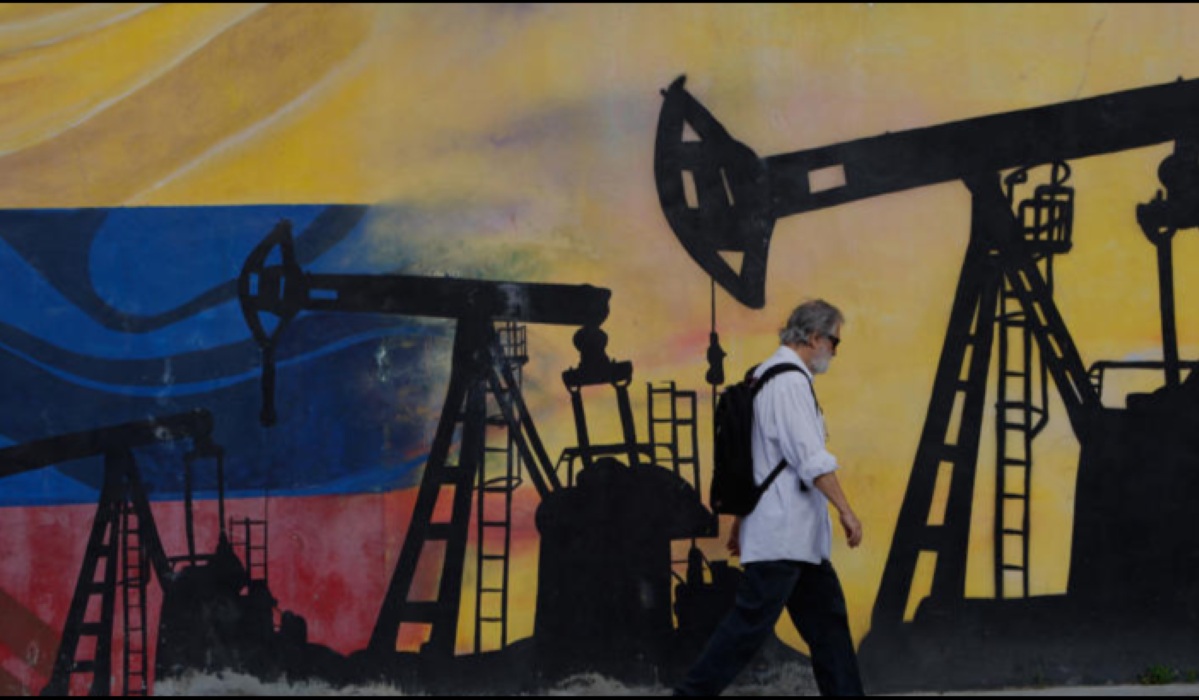
President Donald Trump is promoting a major share acquisition deal in Venezuelan oil reserves as a game-changing breakthrough. Trump claims this move will lower fuel prices at American petrol pumps and begin replenishing the depleted US government emergency oil reserves.
However, many in the oil industry are warning against expecting a rapid recovery. Oil extraction in the region is viewed as a dangerous, exhausting, and high-cost endeavour, with significant uncertainty regarding its technical implementation.
The White House revealed that the deal grants the US government a 35 per cent stake in a Venezuelan oil production company. The company has secured contracts to operate 17 oil fields with estimated reserves of approximately 65 billion barrels. The US will also retain the right to purchase the extracted oil.
Although the agreement, announced on Friday night, has triggered a potential surge in investment, analysts suggest that large volumes of new crude oil will not flow out of Venezuela for years. Market response has been lukewarm, with oil prices actually rising over the weekend following the announcement.
Trump described it as the ‘Largest Oil Deal in World History’ and promised substantial petrol price reductions for American citizens. However, Tracy Shulchart, a senior economist at the futures trading platform NinjaTrader, stated on X that the real impact on US pump prices might not be felt for another 5 to 15 years.
Venezuela’s interim president, Delcy Rodriguez, stated that the project has been signed for a 25-year term with a production target of over 1.5 million barrels per day. For comparison, the global oil industry produces approximately 105 million barrels per day.
Mark Finley of Rice University’s Baker Institute noted that an increase in Venezuelan production will not happen quickly, stating, “This is not about a rapid increase.”
A crucial point in the White House fact sheet is the guarantee for the US to purchase at least 20 per cent of all produced oil at production costs to replenish the Strategic Petroleum Reserve (SPR). Currently, US SPR stocks are at their lowest levels since 1982, standing at only 287 million barrels out of a 714 million barrel capacity.
The US government stated it will acquire shares through an office in the Pentagon working with private companies to accelerate supply chain investment. However, the exact role of the Pentagon remains a mystery to industry players.
The Venezuelan company involved is North American Blue Energy Partners (NABEP), the second-largest private oil company in the country, controlled by Alejandro Betancourt. Betancourt, who built his wealth during the Hugo Chavez era, has previously faced money laundering investigations in several countries, including the US and Switzerland.
Despite the US Department of Justice previously listing his name as an unindicted co-conspirator in criminal cases in 2018 and 2024, the US has granted Betancourt entry visas for official meetings and is now signing a long-term agreement with his company.
The deal also faces political challenges. There are discrepancies regarding the contract duration; the White House mentions 100 years, while Rodriguez mentions 25 years. This uncertainty is a major consideration for oil giants like Exxon considering investment.
Domestically, the Democratic Party has begun voicing opposition. Senator Chris Van Hollen criticised the move on X, calling it evidence that Trump is risking military interests to benefit his billionaire associates through Venezuelan oil.
For Venezuelans, the deal triggers fears regarding the consolidation of Rodriguez’s power and the potential for modern colonialism, where natural resources are controlled by foreign parties through deals deemed non-transparent.