
Reasons Why Parliament Supports National Nutrition Agency's Ban on Using Subsidised Goods for Free Nutritious Meal Kitchens
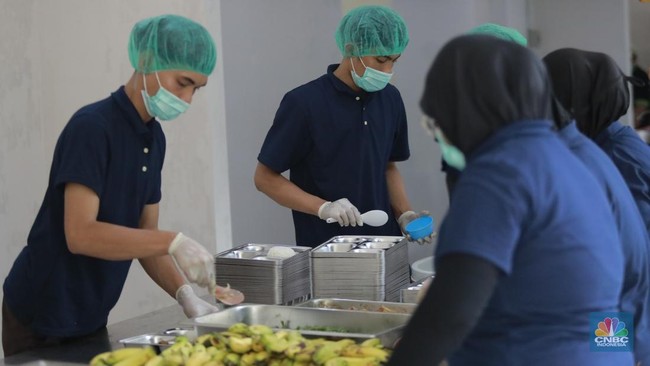
Netty Prasetiyani Aher, a member of Commission IX of the Indonesian House of Representatives (DPR RI), has voiced her support for the National Nutrition Agency’s (BGN) policy prohibiting Nutrition Fulfilment Service Units (SPPG), or kitchens for the Free Nutritious Meal (MBG) programme, from using subsidised goods. These prohibited items include 3kg LPG, Stabilisation of Food Supply and Price (SPHP) rice, and MinyaKita cooking oil.
Netty believes this policy is a correct step to ensure that government subsidies are truly enjoyed by their intended target audience. “Subsidies such as 3kg LPG, SPHP rice, and MinyaKita are indeed intended for the communities in need. Therefore, their use must remain targeted and not be diverted for the operational costs of government programmes,” Netty stated in a written release on Friday.
She noted that the MBG programme aims not only to improve public nutrition but is also expected to drive the local economy by involving farmers, livestock breeders, fishermen, and food-related MSMEs. Furthermore, she views the BGN’s requirement for SPPGs to purchase food ingredients in accordance with Government Reference Prices (HAP) as an effort to balance the success of the MBX programme with the protection of domestic food producers.
“This policy can provide market certainty while maintaining price stability for farmers and breeders. The MBG programme must be able to provide broad benefits, both for the beneficiaries and for local food business actors,” she said.
Despite her support, Netty warned that implementation must be accompanied by good governance to avoid operational hurdles in the field. She emphasised that the ban on using subsidised goods must be supported by a clear procurement system, adequate budgeting, and assistance for all SPPGs to ensure kitchen operations remain optimal. “The ban on using subsidised goods must be followed by a clear procurement system, sufficient budget, and guidance for all SPPGs. We must ensure that a good policy does not inadvertently disrupt kitchen operations or reduce the quality of the food received by children,” she added.
Additionally, Netty urged the BGN to strengthen oversight and transparency mechanisms within the MBG programme, including opening space for public participation to monitor budget usage and food procurement. “Accountability is the key to the success of the Free Nutritious Meal Programme. Strong supervision will maintain public trust and ensure the programme provides optimal benefits to the community,” she asserted.
Previously, the Head of the National Nutrition Agency (BGN), Sudaryono, emphasised that the prohibition of using subsidised goods like 3kg LPG, SPHP rice, and Minyakita in the MBG programme had been calculated from the outset. He assured that the regulation would not reduce the quality or portion size of the meals received by beneficiaries, noting that subsidised goods are specifically reserved for eligible citizens and should not be used for the operations of MBG kitchens or SPPGs.
Source: jawawa.id (https://jawawa.id/newsitem/reasons-why-parliament-supports-national-nutrition-agencys-ban-on-using-subsidised-goods-for-free-nutritious-1785506045)
Originally published by CNBC Indonesia (https://www.cnbcindonesia.com/news/20260731170524-4-755563/alasan-dpr-dukung-bos-bgn-larang-dapur-mbg-pakai-barang-subsidi), translated from Indonesian