
Reasons for the Sunnah of Not Eating Before Eid al-Adha Prayer, Unlike Eid al-Fitr
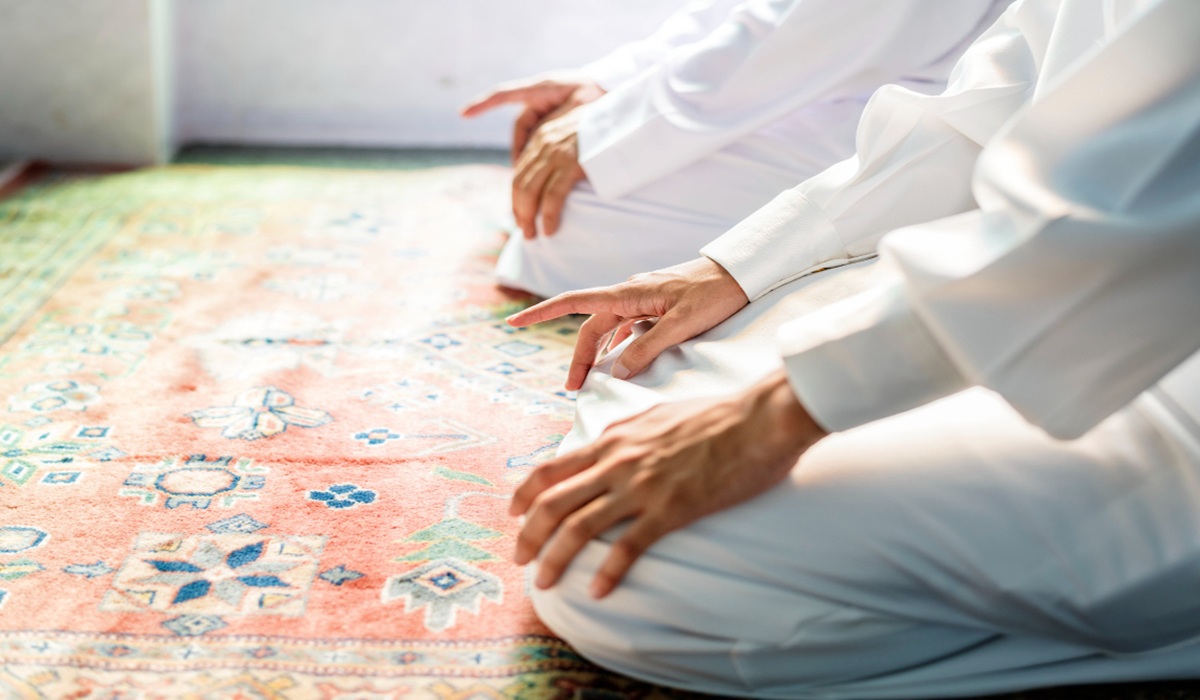
Pilgrims are advised to reduce activities outside Arafah tents. Today (27 May), Muslims celebrate Eid al-Adha. A common question among the public is the ruling on not eating or drinking before the Eid al-Adha prayer. Is it the same as Eid al-Fitr? Legally, eating and drinking before Eid al-Adha prayer is permissible (mubah). However, based on the Sunnah of Prophet Muhammad (SAW), there is a fundamental difference in practice between Eid al-Fitr and Eid al-Adha. Unlike Eid al-Fitr, where it is recommended to eat beforehand, Muslims are encouraged to delay eating until after the Eid al-Adha prayer. This is based on a hadith narrated by Abdullah bin Buraidah from his father. Scholars explain that the wisdom behind this practice is to ensure the first food consumed on the day of sacrifice is from the slaughtered animal, symbolising gratitude and blessings from the sacrificial ritual. Although the Sunnah advises delaying eating, individuals with specific health conditions, such as chronic gastritis or elderly requiring immediate energy, are permitted to eat or drink moderately. Maintaining health and strength for prayer remains a priority to ensure a focused and devout Eid prayer. With this understanding of the Sunnah differences, Muslims can perform Eid al-Adha worship more perfectly in accordance with the Prophet’s teachings, while considering individual physical conditions. Animal trading activities for sacrificial purposes are taking place at Jonggol Livestock Market in Bogor Regency, West Java.