
Reasons for the DKI Jakarta Provincial Government to Maintain the KJMU Programme Despite APBD Cuts
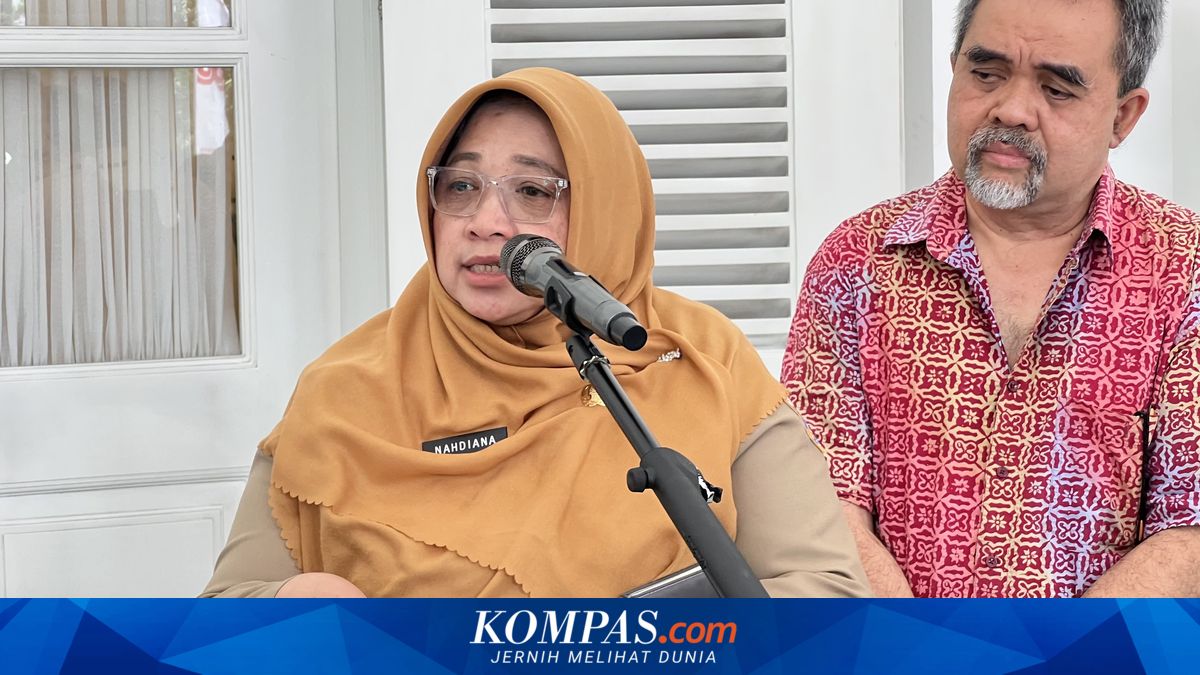
Jakarta — The DKI Jakarta Provincial Government, through the DKI Jakarta Department of Education (Disdik), has confirmed that it will continue to maintain the Kartu Jakarta Mahasiswa Unggul (KJMU) programme despite the APBD being cut. Head of Disdik DKI Jakarta, Nahdiana, said that higher education is one of the key foundations in realising Jakarta as a global city. “The DKI Jakarta provincial government will continue to maintain the KJMU programme because higher education is one of the key foundations in realising Jakarta as a global city,” Nahdiana said when contacted via WhatsApp on Tuesday, 19 May 2026. To date, the KJMU programme has helped around 16,000 students at D3, D4 and S1 levels in various higher education institutions. “The number of recipients is kept constant in line with the government’s commitment to expanding access to higher education for low‑income communities as part of developing human resources towards a Jakarta global city,” Nahdiana said. Nahdiana stated that the KJMU programme plays a major role in opening access to higher education for students from less affluent families in Jakarta. She noted that KJMU helps D3, D4, and S1 students to continue and complete their studies more optimally. “KJMU helps D3, D4, and S1 students to continue and complete their studies more optimally,” she said. She added that the number of KJMU recipients is maintained each year and now reaches around 16,000 students. The programme must continue so that it can be felt by future generations. “The biggest challenge in sustaining the KJMU programme is ensuring that assistance remains targeted and relevant to the rising cost of higher education,” she said. Regarding the recipient verification process, the DKI Jakarta Provincial Government conducts layered verification of KJMU recipients. Recipient data will be checked against data from the DTKS, Dukcapil population data, and verified jointly with the schools, the targeted higher education institutions, and the Department of Education. Not stopping there, periodic re-evaluation and re-verification are also carried out to ensure recipients truly meet the programme’s requirements and that aid can be targeted correctly. She said the most common obstacles are insufficient academic performance or not being able to complete studies within the set timeframe. “But the number is relatively very small compared with the total number of programme recipients,” she said.