
Reasons Behind Ijen Crater's UNESCO Global Geopark Designation
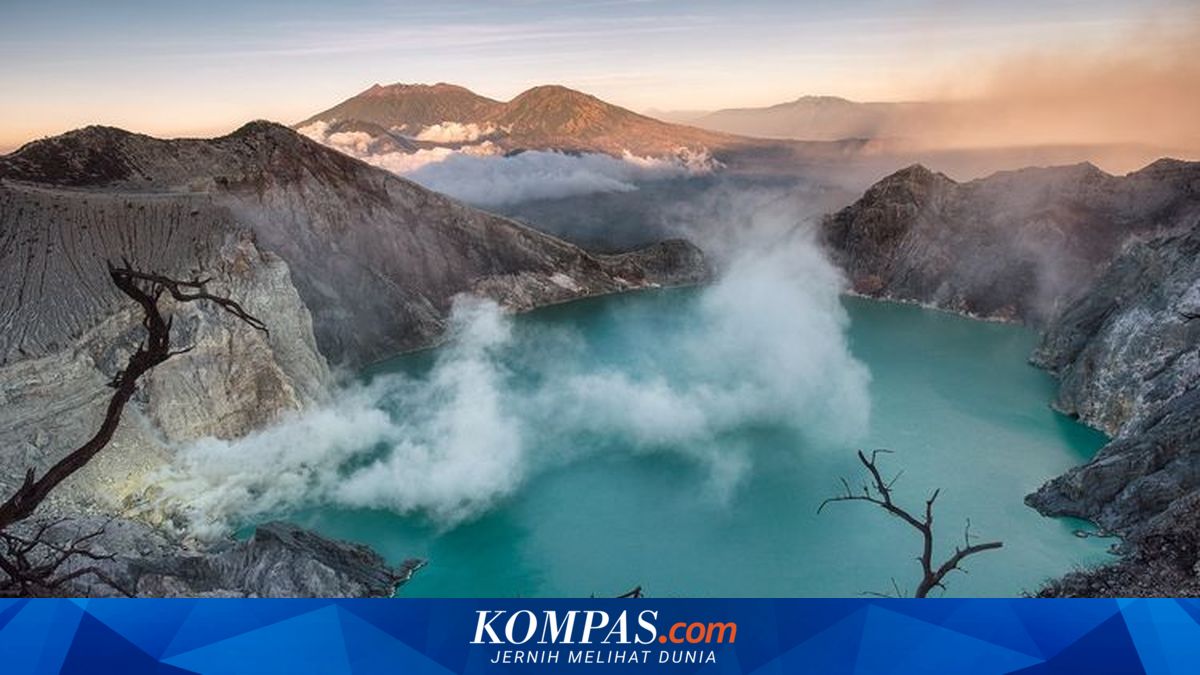
Ijen Crater has once again captured global attention after officially being designated a UNESCO Global Geopark. This volcanic region at the eastern tip of Java is renowned not only for its dramatic landscapes but also for the rare blue fire phenomenon, a sight found almost nowhere else on Earth. According to a report from Vietnam.vn on 24 May 2026, Ijen is described as one of Asia’s most spectacular geoparks, blending geological richness, local culture, and tropical ecosystems into a unique natural tourism destination. The main attraction of Ijen Crater is undoubtedly the blue fire phenomenon, visible only at night. This occurs when high-temperature sulfur gases escape from volcanic fissures and ignite upon contact with oxygen in the air. UNESCO notes that sulfur gas temperatures at Ijen can exceed 360 degrees Celsius, producing an exceptionally rare electric-blue flame. The phenomenon is said to be almost unheard of elsewhere in the world at such intensity. In addition to the blue fire, Ijen Crater features a turquoise crater lake, recognised as the world’s most acidic lake. This combination of natural phenomena has made Ijen a favourite destination for international tourists and researchers. The recognition was granted due to Ijen’s significant global geological heritage and its successful balance between nature conservation and local community life. The Ijen Geopark spans Banyuwangi and Bondowoso in East Java. The area boasts dozens of active volcanic cones, ancient lava flows, and landscapes shaped over millions of years by tectonic and volcanic activity. One of Ijen Crater’s most iconic sights is the traditional sulfur miners. Every day, they descend into the crater to collect sulfur chunks, then carry them up steep paths to weighing stations. This activity has persisted for decades and forms part of the local community’s social identity. Vietnam.vn’s report highlights sulfur miners’ lives as a vital part of the geopark’s ‘living heritage’. UNESCO notes cultural festivals such as Gandrung Sewu and the Banyuwangi Ethno Carnival strengthen the geopark’s identity while boosting the local economy through tourism. Additionally, the area around Ijen is known for Dutch colonial-era coffee plantations, now part of educational and agro-tourism initiatives. Following UNESCO’s recognition, the Ijen Geopark is now projected to become a symbol of sustainable tourism in Indonesia. Local governments are promoting geotourism focused on environmental education, nature conservation, and local community empowerment. Tourism management at Ijen is being directed to avoid damaging the sensitive volcanic ecosystem. Visitor numbers are regulated, and education on environmental preservation is being reinforced. With its rare natural phenomena, strong local culture, and UNESCO Global Geopark status, Ijen Crater is now not only a source of pride for East Java but also one of the world’s most renowned geotourism destinations.
Source: jawawa.id (https://jawawa.id/newsitem/reasons-behind-ijen-craters-unesco-global-geopark-designation-1779920960)
Originally published by Kompas (https://travel.kompas.com/read/2026/05/26/183000027/ini-alasan-kawah-ijen-jadi-geopark-global-unesco-yang-mendunia?utm_source=ABC&utm_medium=rss), translated from Indonesian