
Realising rice self-sufficiency in Bumi Etam
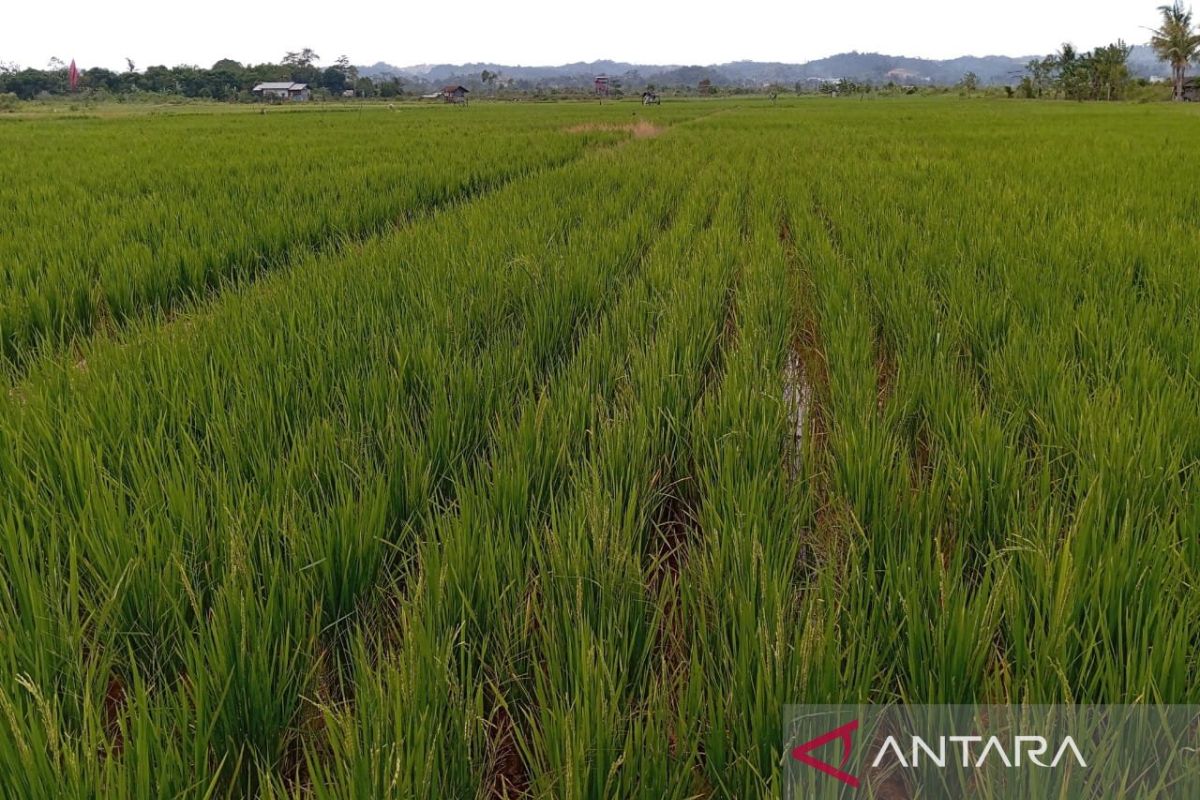
In the expanse of red earth better known as an energy larder, amidst the roar of heavy coal excavators, a great hope is growing for an abundance of rice produced by the skilled hands of farmers. A new dream is taking root behind the giant trees of the Kalimantan Timur wilderness, known as the lungs of the world. It is a dream that in Bumi Etam, paddy fields will underpin food sovereignty. A dream that once seemed distant is now striding confidently towards reality: rice self-sufficiency by the end of 2026. “Kalimantan Timur has experienced a very significant increase in rice production. Currently, self-sufficiency has reached more than 60 percent. We are strongly committed to making this figure a full 100 percent by the end of 2026,” said Deputy Governor of Kaltim Seno Aji in Samarinda, during the second week of July. The journey to that 100 percent figure is not a smooth or easy path. With an annual rice requirement of around 350,000 tonnes, equivalent to 600,000 tonnes of dry unhusked rice, Kaltim still has to import almost half of its needs from other islands. Data from the Central Statistics Agency shows that local production currently reaches only 270,867 tonnes of dry unhusked rice, which after milling becomes approximately 157,000 tonnes of rice. This means around 192,000 tonnes of rice must still sail in from South Sulawesi and East Java to fill the plates of Kaltim residents. The provincial government is determined to gradually end this dependence on other regions, advancing through two main gateways: expanding the area of paddy fields and renewing the arteries of irrigation, followed by improvements in farming techniques.