
Ready-made spice sales surge in Cirebon ahead of Eid al-Adha
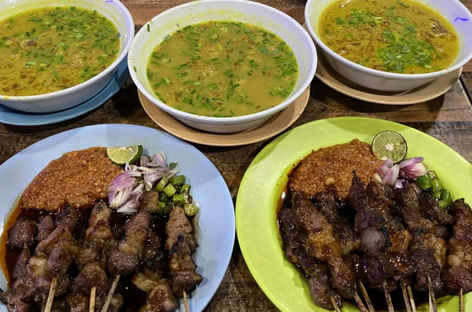
Leading up to Eid al-Adha, demand for ready-made cooking spices and ground spices in Cirebon, West Java, has significantly increased. Residents are rushing to purchase convenient spice blends to prepare sacrificial meat. One beneficiary is Abdurahman, 48, known as Oman, a seller of empal gentong in the Siliwangi office district. He has opened pre-orders for his spice mix three days ago. ‘Alhamdulillah, this year is quite busy. On the first day, 10 people ordered, yesterday 10, and tomorrow already 10 more. It might increase by evening,’ Oman said during an interview on Monday (25 May). Oman explained that preparing empal gentong spices is cumbersome as it involves almost all kitchen spices except tamarind. This makes it a lucrative business opportunity each Eid al-Adha. Unlike previous years when he would take a two-week break to avoid negative speculation about his meat’s source, this year he plans to take only one week off. He cited higher costs for his children’s education and schooling. Similar activity is observed at Cirebon’s Pasar Pagi market. Although not as busy as last year, spice vendors have seen a surge in customers over the past two days. Mirza, a spice trader at Pasar Pagi, said that spices for rendang and gulai are in highest demand. Convenience is the main reason residents opt for pre-ground spices rather than preparing them at home. Spice market activity is expected to peak on the day before Eid al-Adha as residents prepare for animal sacrifices. In Kutai Timur Regency, the local government and police conducted food and commodity inspections in Sangatta Utara ahead of Eid al-Adha 1447 Hijri, confirming stable supplies of staple foods, LPG, and fuel. In Tasikmalaya’s traditional markets, prices of key commodities such as red chilli and onions have risen significantly due to limited supply ahead of Eid al-Adha 1447 Hijri. Cianjur Regent Muhammad Wahyu Ferdian deployed 46 animal health inspectors to ensure the quality and halal status of sacrificial meat across northern and southern regions. Banyumas Agriculture Department aims to complete 11,000 cattle vaccinations by May 2026 to prevent foot-and-mouth disease and liver fluke ahead of increased demand for sacrificial animals.