
Reading the Human Element Before Providing Aid
For years, the issue of poverty in Indonesia has not merely been about the size of aid budgets. The more complex challenge lies in the precision of targeting and the suitability of the intervention types. Not a few business capital grants have ended up as abandoned assets; for instance, trading carts intended to foster independence often become unused items. Similarly, job training does not always produce new workers, and social assistance designed to alleviate poverty sometimes only resolves issues for a few days.
This phenomenon reveals a fundamental problem: poverty is not a uniform condition. Behind the statistics are individuals with different characters, life experiences, abilities, motivations, and challenges. Consequently, applying the same approach to all citizens risks creating what can be described as ‘aid distortion’—where aid is provided, but its benefits are not optimised.
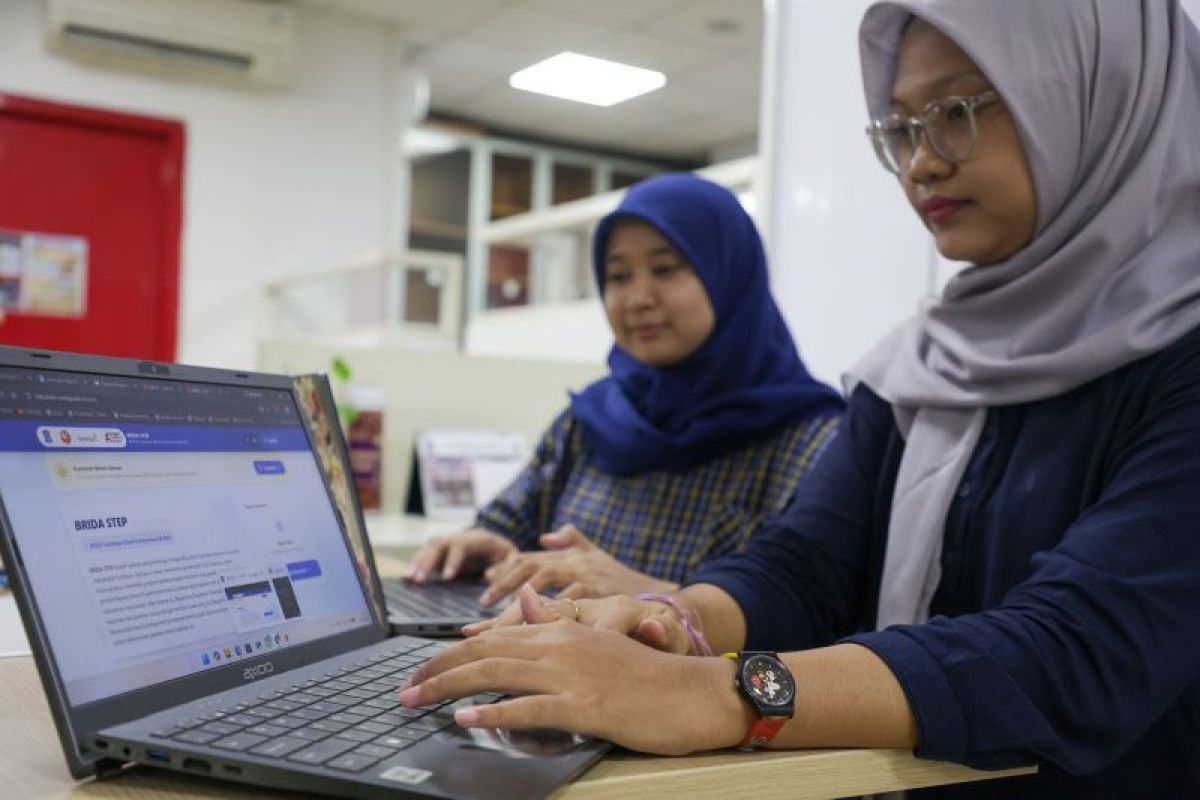
This awareness is being translated into action by the Surabaya City Government through the ‘Brida Step’ (Surabaya Talent Entrepreneurial Path) innovation. Developed by the Regional Research and Innovation Agency (Brida), the programme offers a different approach. Before assistance is granted, citizens are mapped based on their psychological capacity, motivation, and developmental potential. While the traditional question has been “what aid will be provided”, Brida Step attempts to reverse this mindset to “who will receive it and what is truly needed”. This simple shift represents a significant paradigm change in social policy management.
Data from the Indonesian Central Bureau of Statistics shows that poverty levels in Indonesia have continued to decline in recent years. However, this decline does not automatically resolve the issue of empowerment programme effectiveness. In many regions, governments still face the challenge of ensuring that aid can transform recipients into self-sufficient citizens. Surabaya appears to be addressing this challenge through research. Brida, in collaboration with the Faculty of Psychology at Airlangga University (Unair), conducted preliminary research involving 448 respondents across 30 districts. The results demonstrated that impoverished citizens possess highly diverse characteristics.