
Reading the Biodiversity of the Archipelago Before It Vanishes
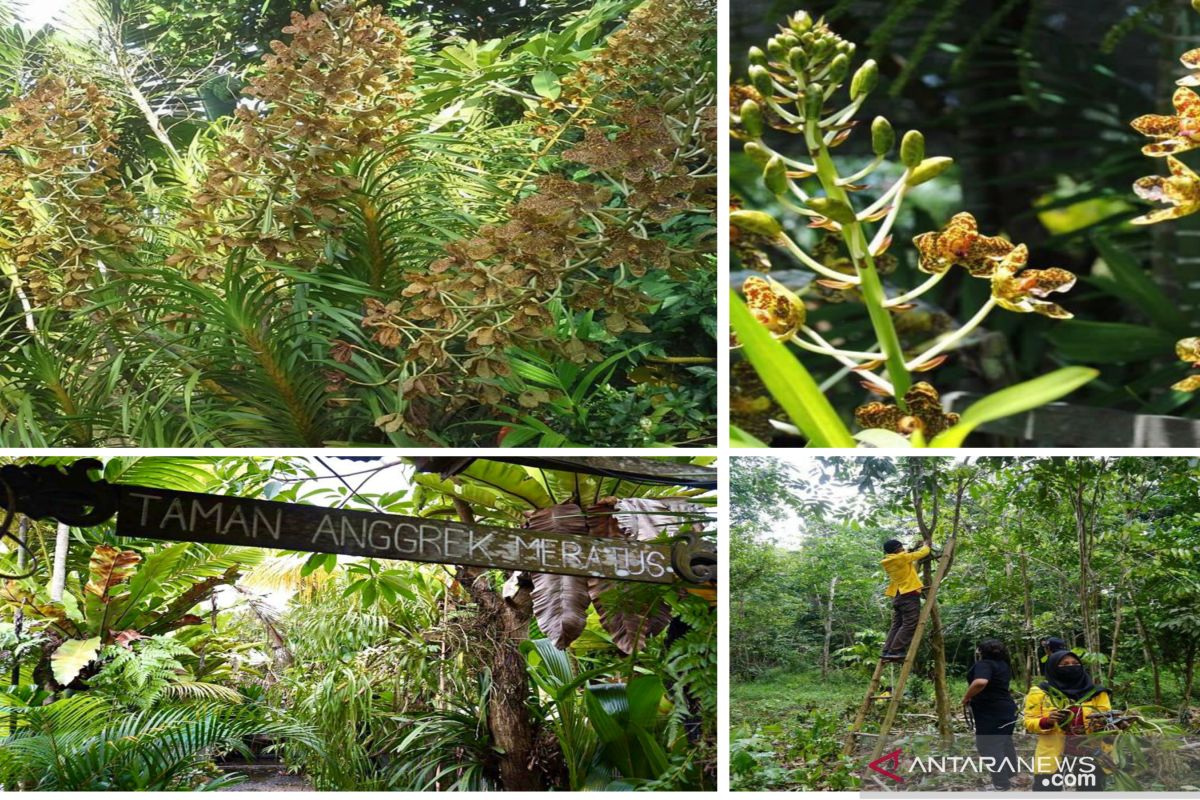
If Indonesia wishes to grow not only rapidly but also sustainably, recognising its biological wealth must not be treated as a secondary agenda to development. In many developing nations, progress is typically measured through growth figures, industrial expansion, or accelerated infrastructure. Indonesia is no exception. Amidst ambitions to accelerate downstreaming, strengthen the energy transition, and build a long-term economic foundation, the nation continues to transform its landscape on an increasingly large scale.
However, behind this optimism lies a much more fundamental question: how well does Indonesia truly recognise the life that grows, moves, and survives across the landscapes being transformed? This question is vital because development is ultimately not just about building on land, but about intervening in the living systems within it. At this juncture, the work of documenting biodiversity finds its strategic significance. For years, this work has occurred almost without spotlight, moving through laboratories, stored in herbarium collections, and penetrating karst crevices, tropical forests, and hard-to-reach mountain ranges. It is a silent task, yet one that determines direction. Through this work, Indonesia is slowly re-understanding the living landscape that supports its very existence.
In recent years, these efforts have begun to show increasingly tangible results. The National Research and Innovation Agency (BRIN), alongside various research partners, has reported new records of ten orchid species from various regions of Indonesia. Researchers have also successfully identified endemic land snails from the karst landscapes of South Sumatra, described new species of Homalomena plants from Sumatra, and revealed a subspecies of the bisbul plant from Papua. Biodiversity expeditions in eastern Indonesia are also being expanded to reach areas that previously lacked scientific documentation.
To the public, such findings might sound like ordinary academic news. However, their significance goes far beyond that. Every species successfully identified is not merely an addition to a global scientific catalogue; it is a marker that life exists, occupies a specific ecological space, and therefore deserves consideration within development planning. This is where biodiversity documentation transforms from scientific work into a vital foundation for ecological sovereignty. A nation that accelerates the transformation of its living spaces without adequate biodiversity knowledge is essentially making strategic decisions with an incomplete information map. It alters the landscape under the assumption that what is unknown is not important enough to be accounted for. In reality, it is precisely in these unread spaces where the greatest risks often lie. Ironically, the more new species are discovered, the clearer it becomes that Indonesia’s knowledge of its own ecological wealth remains far from complete.