
Reading Indonesia's Economic Future Through the 2026 Economic Census
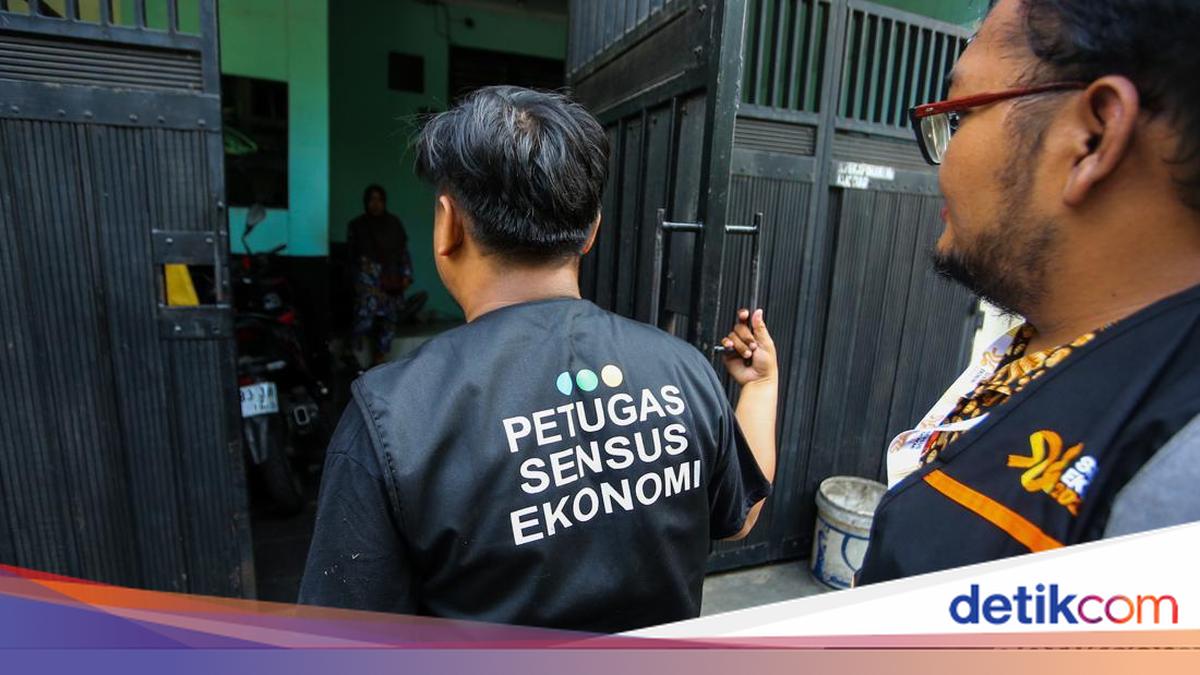
No country can plan its future without understanding its present condition. Amid increasingly rapid economic changes, the need for accurate data becomes ever more critical. That is why the Central Bureau of Statistics (BPS) is conducting the 2026 Economic Census (SE2026), an effort to capture a comprehensive portrait of Indonesia’s business world.
“SE2026 is not merely a data collection activity. This census is an information investment that helps Indonesia understand how the economy moves, which business sectors are growing, where new opportunities arise, and what challenges need to be anticipated in the future,” stated a BPS press release on Tuesday (23/6/2026).
The past decade has shown how quickly the economic landscape has changed. Digital technology has spawned types of businesses previously unknown. Electronic commerce has grown rapidly. The creative economy has grown into a new source of added value.
On the other hand, patterns of public consumption, labour needs, and ways of doing business are also constantly changing. In such a situation, assumptions are no longer sufficient. Development planning requires facts.
Through SE2026, Indonesia obtains the latest picture of the business structure across all regions, from micro-enterprises at the village level to large corporations that drive the national economy. This data becomes an essential foundation for understanding the direction of economic change and formulating policies that meet the needs of the times.
For the government, the census results help identify which sectors are growing and which require further support. For business actors, the data serves as a source of information to understand market opportunities and economic developments in various regions.
Meanwhile, for academics and researchers, the data provides credible material to produce studies that support evidence-based decision-making. These benefits are also relevant for the younger generation.
Generation Z is growing up in a highly dynamic environment with increasingly diverse career choices. Business opportunities can emerge from an application, a digital platform, or a creative idea developed from home.
However, amidst the abundance of information, the ability to distinguish between fleeting trends and genuinely promising opportunities becomes increasingly important. This is where data plays a strategic role.
The results of SE2026 can help young people understand which business sectors are developing, which regions have high economic potential, and how labour needs are constantly changing. This information can serve as a foundation for choosing education, developing skills, building businesses, and planning careers.
The census is also important for strengthening Micro, Small, and Medium Enterprises (MSMEs), which have long been the backbone of the Indonesian economy. Through SE2026, the conditions and characteristics of MSMEs can be mapped more comprehensively so that various business development programmes can be designed based on real needs. The more complete the portrait of the business world available, the better the basis for formulating effective economic policies.
In the era of information transparency, the public also increasingly demands accountable policies. Official census data becomes one of the key instruments to ensure that development planning is not based solely on estimates or perceptions, but on conditions that truly exist on the ground.
“Data is not just a collection of numbers in a statistical report. Data is a mirror that helps a nation understand itself. From good data, more precise planning is born. From precise planning, more effective policies are born. And from effective policies, opportunities for more inclusive and sustainable economic growth open up,” the BPS statement continued.
The success of the 2026 Economic Census is deemed to require the participation of all business actors in Indonesia. Every piece of information provided will become part of the national economic portrait used to read today’s challenges and prepare opportunities for the future. Because in essence, the Economic Census is not just about counting existing businesses. The Economic Census is Indonesia’s way of reading its future through data.