
Reaching Residents Before It Is Too Late
Access to healthcare is not simply a matter of having a hospital door to enter; it also means being able to navigate every stage of care without losing the opportunity to receive treatment.
Surabaya (ANTARA) - Pain does not always immediately prompt someone to seek hospital treatment. Some people choose to endure it because they do not want to burden their families; others are unfamiliar with medical procedures, while some have undergone examinations but are still waiting for certainty about their treatment.
In such situations, healthcare is no longer solely a matter of doctors and medicines. The concern of those nearby, bureaucratic efficiency and an effective referral system also help determine a person’s safety.
The story of Dian, a disabled resident of Surabaya, East Java, illustrates the problem. She had abdominal symptoms but was reluctant to tell her parents because she was worried about becoming a burden to her mother.
After her symptoms worsened and she continued to lose weight, she was examined first at a community health centre (Puskesmas) and then at a hospital. She was eventually diagnosed with malignant cancer.
However, the process of reaching medical treatment was not quick. For around four months, the surgery she needed had not been carried out.
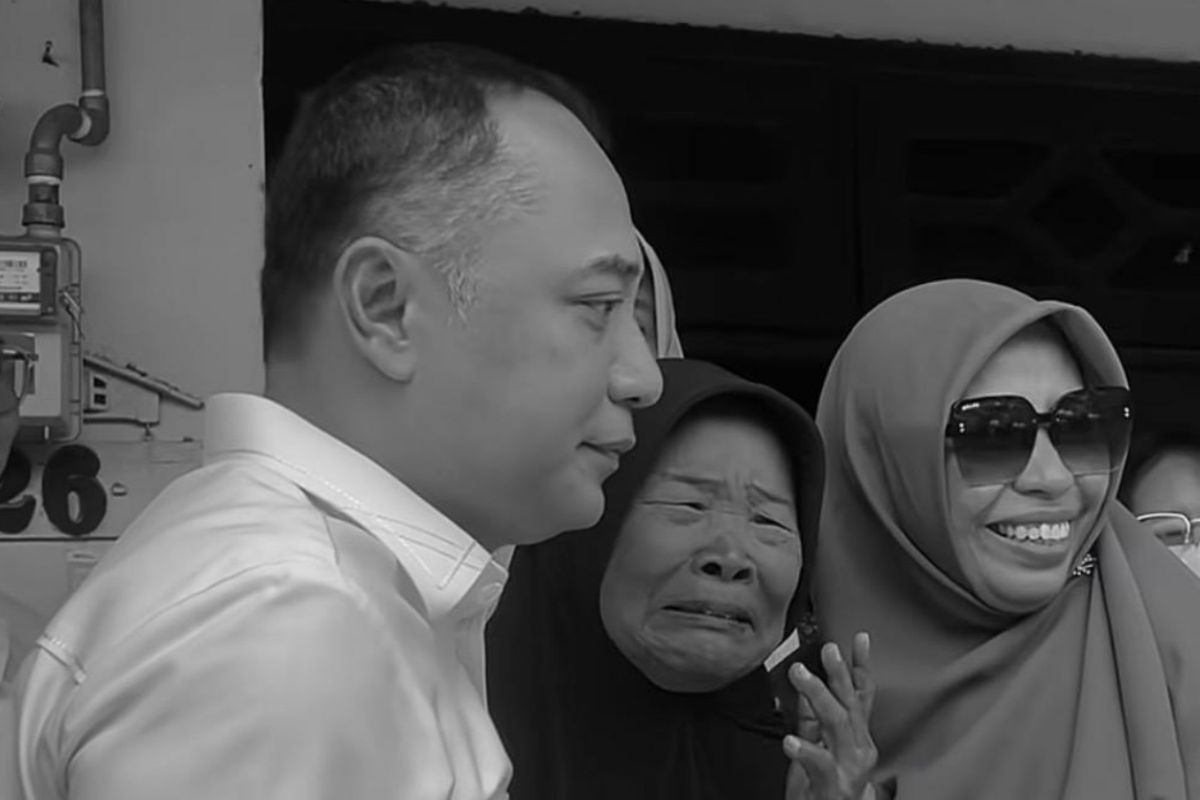
On Friday, 9 October 2026, Surabaya Mayor Eri Cahyadi stepped in to coordinate efforts to speed up her care. Dian was then taken to Dr Soewandhie Regional General Hospital (RSUD) for a comprehensive examination and further treatment.
The incident is a reminder that the quality of healthcare cannot be measured solely by the availability of facilities, equipment or medical staff. It must also be judged by whether the system can identify residents in need, connect them with appropriate services and ensure that treatment does not stall part-way through.
A key part of Dian’s story is the role played by Rita, a Surabaya Hebat Cadre (KSH) in the Manukan Lor area. She reported Dian’s condition through the Lapor Cak Eri service, bringing a problem that had previously gone unnoticed by the city government to its attention and prompting follow-up action.
The role of cadres such as Rita demonstrates the importance of close social ties in public services. Health workers cannot be expected to know about every resident’s problems at all times, particularly those who conceal an illness, live in a vulnerable household or struggle to communicate their needs. Cadres familiar with their communities can provide an initial link between problems at home and government action.
In Surabaya, the KSH role has an institutional basis in Mayor Regulation No. 15 of 2025 on Surabaya Hebat Cadres, subsequently amended by Mayor Regulation No. 78 of 2025.
KSH cadres support public services in areas including health, welfare, family empowerment and resident data collection. On that basis, their community care should be part of the service system, rather than depending solely on individual initiative.
Even so, Dian’s story leaves a fundamental question. Why did her situation receive direct attention only after a report was sent to the mayor by message, when she had already been examined at several healthcare facilities?
This question does not, in itself, prove negligence by medical staff or wrongdoing by the hospital. The information available does not fully explain the clinical, administrative or capacity-related reasons why the surgery had not been carried out.
Nevertheless, the lengthy delay is reason enough to review continuity of care for patients.