
Reaching for Greatness Without Losing Our Roots
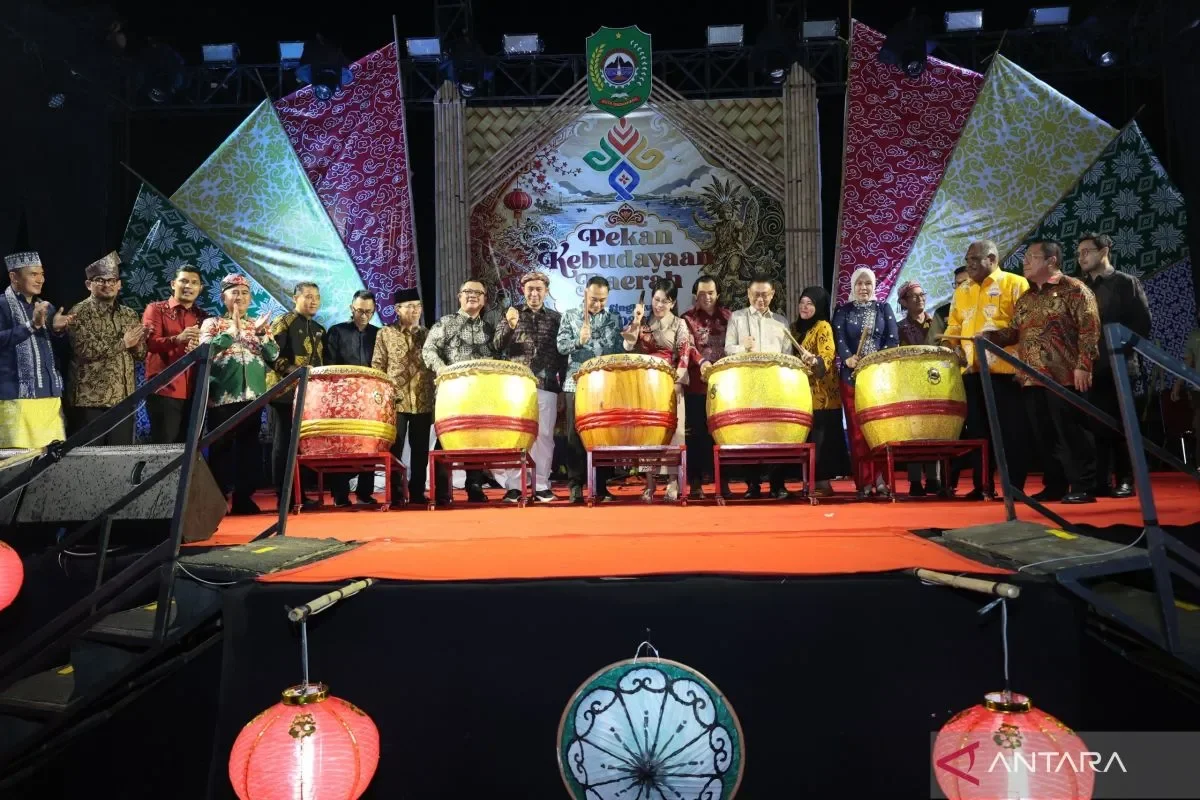
As Indonesia moves towards its Golden Indonesia 2045 vision, a city’s progress should not be measured solely by economic productivity and imposing modern infrastructure. True progress is also reflected in communities that continue to care for their history, preserve traditions and nurture their cultural life.
Surabaya (ANTARA) - A city may have wide roads, towering buildings, modern shopping centres and an improving transport network. But physical development alone does not necessarily give it a strong character.
Some things cannot be built with cement and steel: an identity shaped by history, customs, language, the arts and the way people live alongside one another.
That identity makes one city different from another. It can be seen in historic architecture, local food, traditions passed down through generations and the habit of residents helping one another.
When these elements are pushed aside by uniform development, a city may look increasingly modern but gradually lose the stories that make it distinctive.
These issues came to the fore at the Forum Rembuk Kebudayaan Kota Kita, organised by the Association of Indonesian Municipalities (APEKSI) in Singkawang, West Kalimantan, on 16 October 2026.
APEKSI’s chair and Surabaya Mayor Eri Cahyadi urged municipal governments to build modern cities while remaining rooted in their cultural heritage. His message deserves to be understood as more than a call to preserve the arts or protect historic buildings.
Amid competition among cities to attract investment, tourists and skilled workers, culture can be a defining asset that shapes both a city’s appeal and the quality of urban life.
The challenge is that modern development is often easier to assess through physical indicators. Road length, the number of buildings, investment values and economic growth can be measured relatively directly.
By contrast, success in preserving regional languages, maintaining spaces for people to meet, passing on traditional knowledge or strengthening tolerance does not always receive comparable recognition in assessments of development.
Yet a good city is more than a place where people work and move about efficiently. It is also a space where communities build relationships, preserve collective memory and pass values on to the next generation.
Modernisation, therefore, should not be set against tradition. Infrastructure remains necessary to raise productivity and wellbeing, but development must also address a more fundamental question: what kind of city do we want to leave to our children and grandchildren?