
RDF Facility to be Built at Burangkeng Landfill in Bekasi, Processing 1,000 Tonnes of Waste Daily
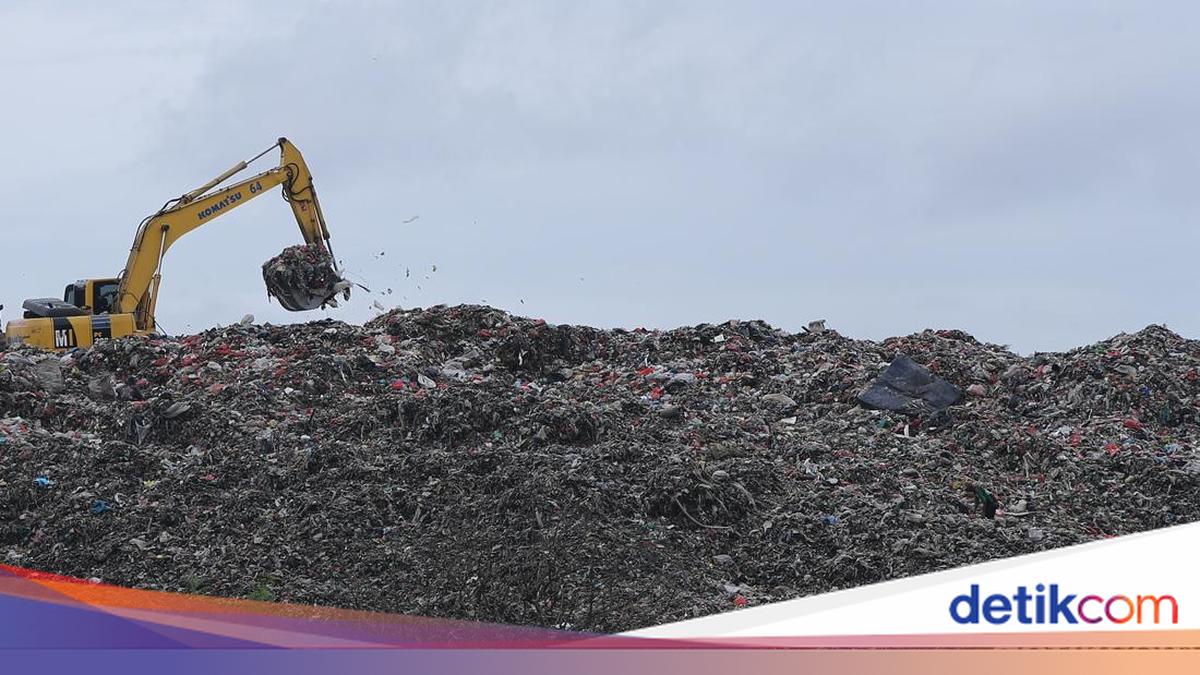
An agreement on waste processing was reached between Bekasi Regency Government (Pemkab Bekasi) and PT Asiana Technologies Lestary in the Meeting Room of KH Raden Mamun Nawawi, at the Regent’s Office Building in Cikarang Centre, on Wednesday (13/5/2026). This collaboration represents a step by Pemkab Bekasi in addressing the increasingly complex waste issues amid rapid regional development and population growth.
The Head of the Environmental Agency (DLH) of Bekasi Regency, Syafri Donny Sirait, stated that the current condition of the Burangkeng landfill is under heavy burden due to overcapacity. According to him, a transformation of the waste management system that is more modern and sustainable is needed.
“Waste management is a major challenge for developing regions like Bekasi Regency. Therefore, local government can no longer rely solely on conventional collect-transport-dispose methods,” said Syafri.
He explained that the collaboration refers to the mandate of Law (UU) No. 18 of 2008 on Waste Management and aligns with the targets of Jakstrada (Regional Policy and Strategy), which encourages the application of technological innovations in waste reduction while providing economic added value.
In its implementation, this collaboration focuses on two main programmes. First, landfill mining, which involves excavating old waste piles at the Burangkeng landfill to restore land capacity (land reclamation). Second, processing waste into RDF as an alternative fuel replacing coal for industrial needs.
“In the future, the Burangkeng landfill will no longer just be a final disposal site, but is expected to transform into a renewable new energy factory for industries in Bekasi Regency,” he said.
He also emphasised the importance of professionalism in implementing waste processing technology to continue paying attention to environmental aspects and providing positive impacts for the surrounding community.
Donny mentioned that this waste processing collaboration is carried out under a regional budget efficiency scheme. Bekasi Regency is running two major waste management programmes simultaneously, namely Waste Processing into Electricity (PSEL) for new waste and landfill mining for old waste piles.
“To date, no other region in Indonesia has been able to integrate these two programmes simultaneously,” he said.
He explained that the collaboration scheme with PT Asiana Technologies Lestary differs from the usual Government and Business Entity Cooperation (KPBU) pattern applied in several regions. According to him, if using the KPBU scheme, local governments typically have to pay a tipping fee of around Rp 250,000 per tonne.
Thus, if the processing capacity reaches 1,000 tonnes of waste per day, the cost borne by the regional budget could reach around Rp 143 billion per year.
However, through this collaboration, Pemkab Bekasi does not need to incur tipping fee costs. Instead, the region even gains additional Original Regional Income (PAD) of around Rp 1 billion from the utilisation of landfill land for waste processing operations.
He hopes that the revitalisation of the Burangkeng landfill through the synergy of landfill mining and PSEL can become a concrete solution to the emergency waste problem in urban areas, while also serving as an example or blueprint for other regions in Indonesia.