
RDF at Rorotan Not a Sole Solution to Jakarta's Waste
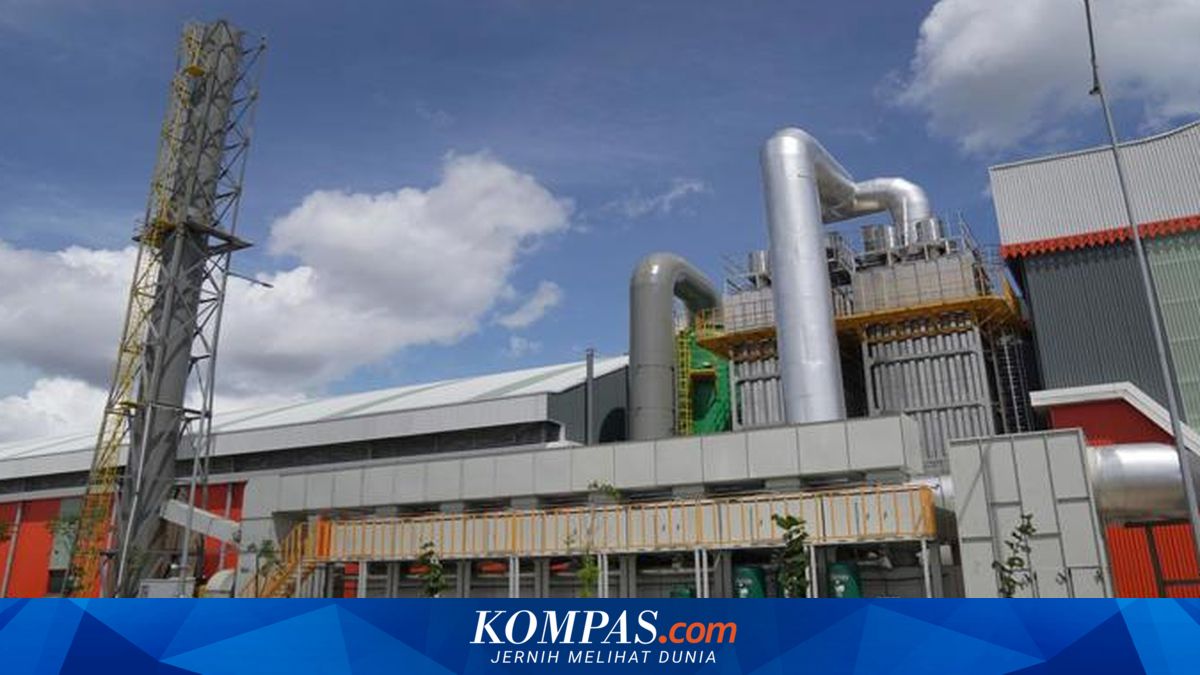
JAKARTA, KOMPAS.com – Refuse Derived Fuel (RDF) technology is regarded as a potential solution to help reduce waste problems in large cities, including Jakarta. This technology processes waste into an alternative fuel that can be used by industry, particularly the cement sector. However, environmental science expert Mahawan Karuniasa believes RDF cannot be the main solution in waste management. ‘RDF is fairly promising, but its role must be appropriate—not as the main energy, but as a transitional alternative energy from the waste fractions that cannot be prevented, reused, recycled, or composted,’ Mahawan said when contacted by Kompas.com on Friday (22/5/2026). He said RDF is more suitable for processing residual waste or waste that has become difficult to reclaim. RDF indeed has great potential to be developed in Indonesia as urban waste volumes continue to rise, while many landfills are in critical condition. Therefore, many cities are starting to look at RDF because they face similar issues: landfill capacity is increasingly full, waste transport costs are rising, and industries require an alternative fuel. ‘The central government also positions RDF as one solution to reduce dependence on landfills,’ he said. He noted RDF has advantages compared with waste simply dumped into landfills. ‘If waste is simply dumped into landfills, cities bear risks of odour, leachate, landslides, methane emissions, social conflicts, and the need for new land,’ Mahawan added. In addition to helping reduce waste accumulation, RDF is also seen as supporting the energy transition because it is used as an alternative fuel to partially replace coal in the industrial sector. However, Mahawan emphasised that RDF cannot be regarded as entirely clean energy. ‘Its effectiveness depends greatly on the quality of RDF, moisture content, calorific value, supply stability, and emission controls at the user facility. Therefore, RDF is an energy transition instrument that is complementary, not a replacement for renewable energy such as solar, wind, geothermal, or sustainable bioenergy,’ he concluded.