
Rawalumbu River in Bekasi Turns Blue Due to Paint Spill
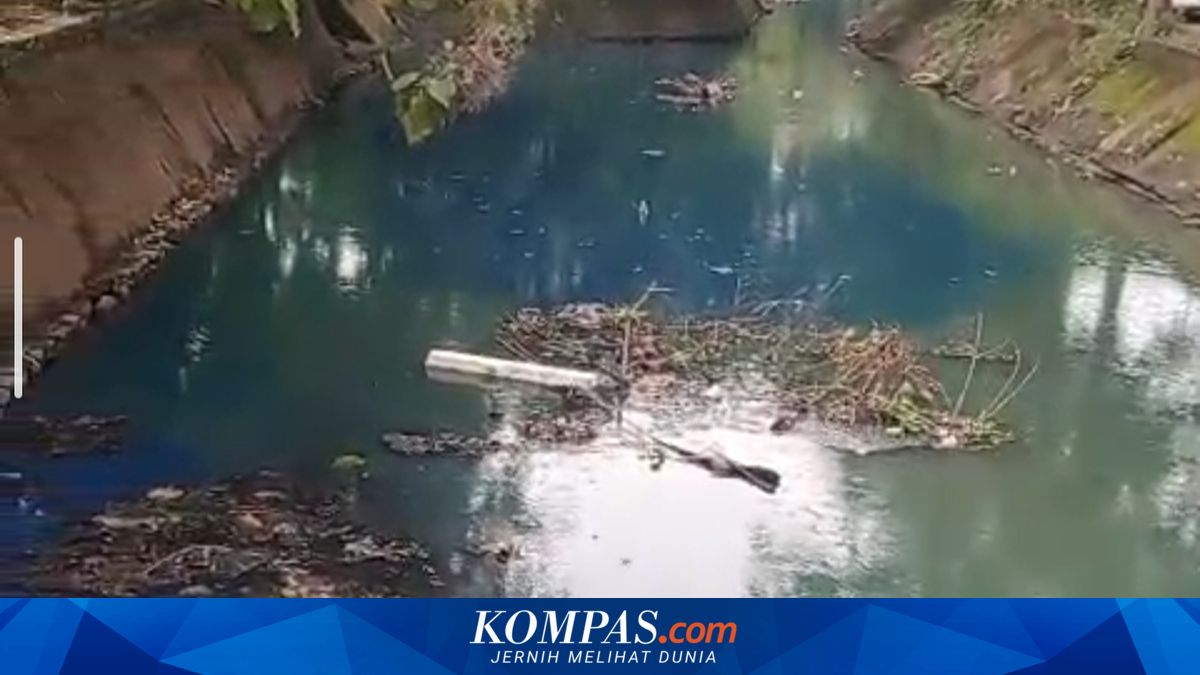
The Bekasi City Environmental Agency (DLH) has revealed the suspected cause behind the deep blue colour of the Rawalumbu River at Jalan Dasa Darma, Bojong Rawalumbu. The Head of the Bekasi City DLH, Kiswatiningsih, stated that the colour change is believed to stem from activities at a nearby warehouse and paint shop.
“There was a workplace accident involving a 20-litre paint spill during the moving of goods within the warehouse area. The spill eventually flowed into residential domestic channels and entered the drainage system connected to the Rawalumbu River,” Kiswatiningsih said in an official statement on Tuesday (19/05/2026).
Preliminary observations indicate that the water appears turbid and emits a specific odour. However, officers found no sediment on the surface or the bottom of the water flow. Based on field inspections, the acidity (pH) level of the water was recorded at 7.54, which is neutral. The water temperature was measured at 30 degrees Celsius, with dissolved oxygen (DO) at 4.5 mg/L. Additionally, the electrical conductivity (DHL) was recorded at 644.35 µS, indicating the presence of dissolved substances in the water.
“These results still require further laboratory analysis,” said Kiswatiningsih. She explained that follow-up examinations are being conducted to determine the characteristics of the pollutant and the extent of its impact on the environmental quality surrounding the river.
Kiswatiningsih assured that the agency will continue monitoring and coordinating with relevant parties to ensure optimal handling and prevention of pollution. Furthermore, she urged all business operators to pay closer attention to the management of materials and waste from their business activities to prevent environmental pollution. “We hope the community plays an active role in protecting the environment and reports any indications of pollution in their respective areas immediately,” she added.
A local resident, Ari (55), suspected that the change in water colour might originate from ink or screen-printing paint waste from home industries in the area. Ari expressed concern that such waste could contaminate the environment and seep into local residents’ wells.