
Raw Meat and Blood: What Makes Bali’s Lawar Plek Unique
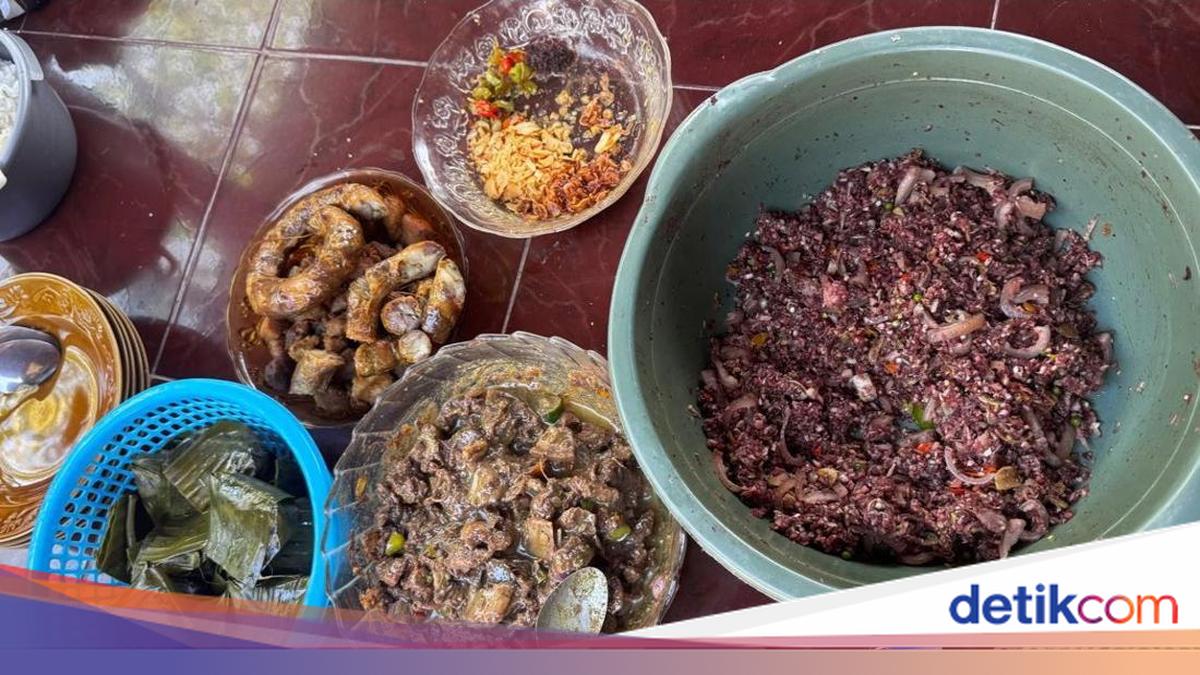
Raw pork, fresh blood, pork skin and charred coconut are among the ingredients in lawar plek. This traditional Balinese dish is more than a way to stave off hunger: it is also part of a community tradition that has endured to this day.
Lawar plek is known as a speciality of Ketewel village, in Sukawati sub-district, Gianyar regency. Unlike most Balinese lawar, it has distinctive ingredients and preparation methods. The use of raw meat and blood gives it a particular character, while also raising food-safety concerns.
Behind an appearance that some may find unusual, lawar plek carries stories of tradition, togetherness and Bali’s culinary heritage. What goes into it and how is it made? How does it differ from other types of lawar, and where can it be tried?
1. Pork and fresh blood
The ingredients are the most immediately recognisable feature of lawar plek. A 2018 study by Ni Nyoman Tutik Yustina Yanti, from the Nutrition Study Programme at the Denpasar Health Polytechnic of the Ministry of Health, documented the ingredients used by five eateries in Ketewel village.
The main ingredients are pork, pork blood, pork skin, young jackfruit and mature coconut. These are combined with spices including galangal, aromatic ginger, turmeric, shallots, garlic, candlenuts, black pepper, chilli, shrimp paste and lime.
Each eatery has its own variations. Some add pork liver, palm sugar or kaffir lime leaves to create a different flavour.
The preparation is also distinctive. The mature coconut is first roasted until fragrant, then chopped. The pork skin and young jackfruit are boiled until cooked.
The meat and blood, however, are not heated. This combination gives lawar plek a character unlike that of most other lawar dishes.
2. How lawar plek differs from other Balinese lawar
Lawar is a traditional Balinese dish made from a mixture of minced meat, vegetables, grated coconut and distinctive spices. There are many varieties, differing in their main ingredients and methods of preparation.
By main ingredient, people distinguish lawar siap, made with chicken, from lawar celeng, made with pork.
Lawar is also classified by colour and whether blood is used. Lawar putih is made without blood, while lawar merah includes fresh chicken or pork blood as an ingredient.
Lawar plek has its own characteristics. It combines raw pork and fresh blood with grated coconut and Balinese spices.
In a study of several eateries in Ketewel, meat was the dominant ingredient, while young jackfruit and coconut were used in smaller quantities. The fresh blood gives the dish its distinctive red colour.
These differences in ingredients and preparation give lawar plek its own identity among Bali’s many varieties of lawar.
3. Lawar plek’s traditional significance
For Balinese people, lawar is not always an everyday dish. Its preparation is also closely connected with customary events and community life.
This is reflected in the tradition of ngelawar, the communal preparation of lawar before a customary ceremony.
A 2026 study by A.A. Diah Indrayani and I Wayan Artika of Ganesha University of Education (Undiksha) documented ngelawar practices in several customary hamlets in Gianyar. The activity, including the preparation of lawar plek, is carried out collectively by adult men ahead of ceremonies at temples or in the hamlets.
Once prepared, the lawar forms part of the ceremonial proceedings and is eaten together after the ritual.
The tradition is about more than preparing food. Ngelawar provides an opportunity to practise mutual co-operation, strengthen ties between residents and pass culinary knowledge on to the next generation.
Today, lawar plek is not limited to customary events. Several eateries in Ketewel also serve it to the public and visitors.
The dish is typically served with white rice, komoh (a seasoned broth), urutan (Balinese sausage), fried meat, pepes (food steamed in banana leaves), batung and pork crackling.
4. The other side of lawar plek
The use of raw meat and blood is one of lawar plek’s defining features. But this preparation method also makes cleanliness and food safety especially important.
In a 2018 study of five lawar plek eateries in Ketewel, Ni Nyoman Tutik Yustina Yanti found that every sample exceeded the total microbial limit. In addition, four eateries were classified as vulnerable and unsafe to eat at, according to the food-safety scoring system used in the study.
The findings were linked to the use of raw meat and blood, as well as hygiene and sanitation practices that were not yet optimal. Problems included incomplete use of personal protective equipment and handwashing without soap.
Another study, by Ade Jihan Maeda and colleagues at the Denpasar Health Polytechnic of the Ministry of Health, also examined the safety of pork lawar plek in the Sukawati tourist area.
All 16 samples tested exceeded the total microbial limit. However, according to the food-safety score, 14 samples were classified as vulnerable but still considered safe to eat.
The research indicates that hygiene and sanitation need attention when lawar plek is served. Microbial levels above the limit should not be ignored, as some microorganisms can be pathogenic and cause food-borne illness.
Visitors who want to try lawar plek should look for eateries with clean surroundings and equipment, and careful food handling. However, fresh ingredients and a clean eatery do not eliminate the risks associated with eating raw meat and blood.
Children, pregnant women, older people and those with weakened immune systems should avoid foods made with raw meat, as they are more vulnerable to complications from food-borne infections.
5. Where to try lawar plek in Ketewel
Those wishing to learn more about lawar plek can visit Ketewel village in Gianyar, where several eateries serve their own versions of the dish.
One is Warung Pan Dodol, at Jalan Kwanji, Gang Walet No. 4, Ketewel, Sukawati sub-district, Gianyar.
The eatery is unusual in that it is tucked down a small lane and forms part of the owner’s home. Visitors can spot it by the sign “Spesialis Basang Seduk”, meaning “specialist in curing hunger”.
The name is the owner’s joke. The title “dr” is deliberately used to suggest that the place is where people go when they need a cure for a hungry stomach.
The menu also differs from that of typical pork lawar plek eateries. According to the owner, the establishment serves dishes made with chicken and goat skin, without pork.
It also offers goat and labi-labi lawar plek. One distinctive feature of its seasoning is the use of green pepper, or gundil, which gives the dish a pronounced heat.
Visitors who want to try several dishes can order a set meal comprising rice, lawar plek, goat serapah, chicken satay, fried chicken skin, komoh and soto.
Prices range from Rp 10,000 to Rp 30,000, including drinks. The eatery also takes orders for large portions of chicken lawar plek, satay and serapah.
Warung Pan Dodol begins serving customers at 11am local time and stays open until the food has sold out. The journey from Denpasar is estimated to take around 30–40 minutes, depending on traffic.
Lawar plek demonstrates the diversity of Bali’s traditional ingredients, flavours and stories. The dish is not only about food; it also reflects the community’s tradition of coming together. Nevertheless, its culinary distinctiveness needs to be balanced with attention to food safety, particularly because it uses raw meat and blood.
Source: jawawa.id (https://jawawa.id/newsitem/raw-meat-and-blood-what-makes-balis-lawar-plek-unique-1794099112)
Originally published by detikBali (https://www.detik.com/bali/kuliner/d-8742346/ada-daging-dan-darah-mentah-ini-keunikan-lawar-plek-bali), translated from Indonesian