
Ratification of ILO 188 Closes Gaps in Fishermen's Protection System
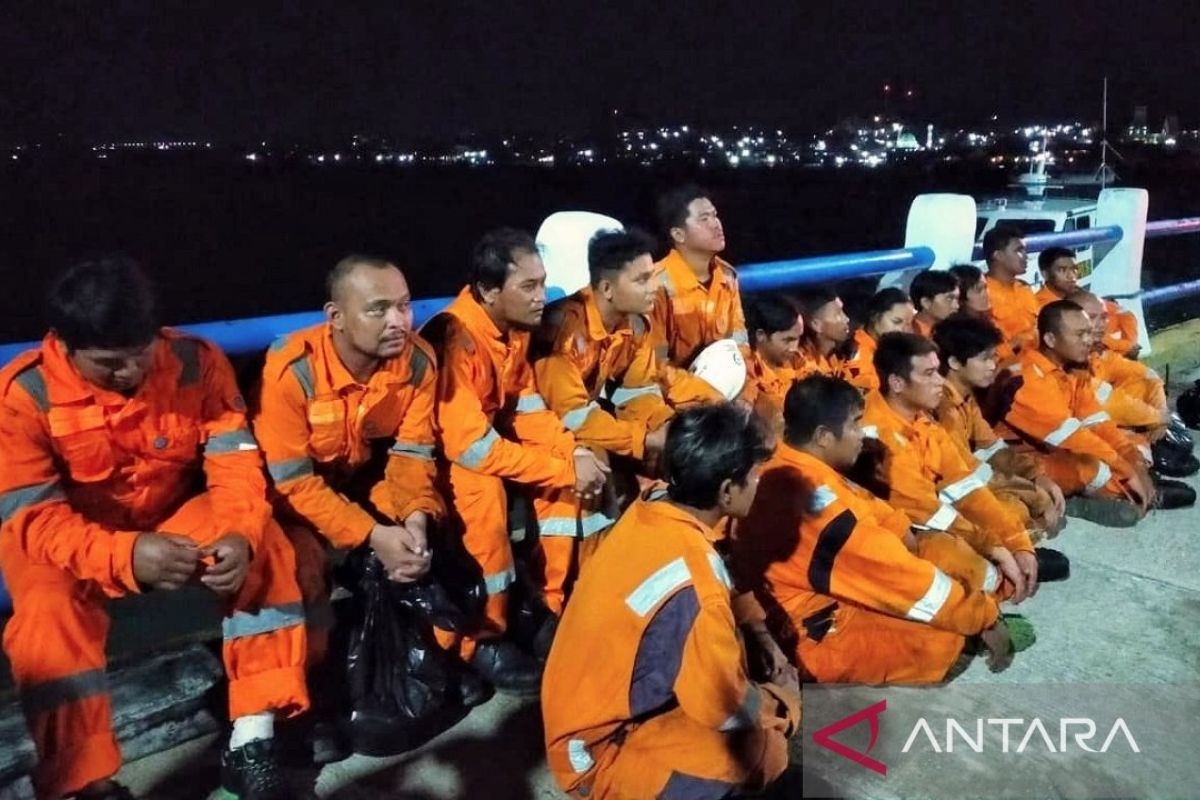
Ratification of ILO 188 places Indonesia within the framework of global standards for the protection of fishing workers.
Jakarta (ANTARA) - The Indonesian government, through Presidential Regulation No. 25 of 2026, has ratified International Labour Organization (ILO) Convention No. 188 as a step to strengthen protections for fishing vessel crew members (ABK), while also responding to structural issues that have long plagued the capture fisheries sector.
The signing of the Presidential Regulation was carried out directly by President Prabowo Subianto as part of the workers’ protection agenda on International Workers’ Day.
This ratification marks a change in the state’s approach to the fisheries sector, from viewing it merely as an economic activity to a workspace with protection standards equivalent to other formal sectors.
The President emphasised that this ratification aims to ensure the protection and welfare of fishing vessel crew members, while closing regulatory gaps that have existed in the maritime sector. Positioning this policy during May Day highlights that ABK issues are positioned as part of a broader national employment agenda.
ILO Convention 188 regulates minimum standards that must be met in employment relations in the fisheries sector. These provisions include minimum working age, obligations for written employment contracts, regulations on working hours and rest times, as well as the provision of accommodation, food, and healthcare services on board. In addition, the convention also mandates social security and protection against work accidents.
Strengthening these standards is crucial given that the fisheries sector has long been known as one of the sectors with the highest work risks. Activities in the open sea present potential accidents, high work pressure, and limited access to basic services. Without strong regulations, this situation opens the door to long-term exploitative practices.
Before ratification, protections for ABK often existed in a regulatory grey area. Overlapping authorities between ministries and weak oversight created loopholes for various violations. Several cases have shown recurring patterns, from labour exploitation to practices bordering on modern slavery.
The modern slavery case in Benjina, Aru Islands Regency, Maluku, in 2015, became one of the most striking examples. In this case, fisheries sector workers were forced to work long hours and experienced various forms of violence.