
Rat Infestation Hits 353 Hectares of Rice Fields Across 24 Regions in Central Java
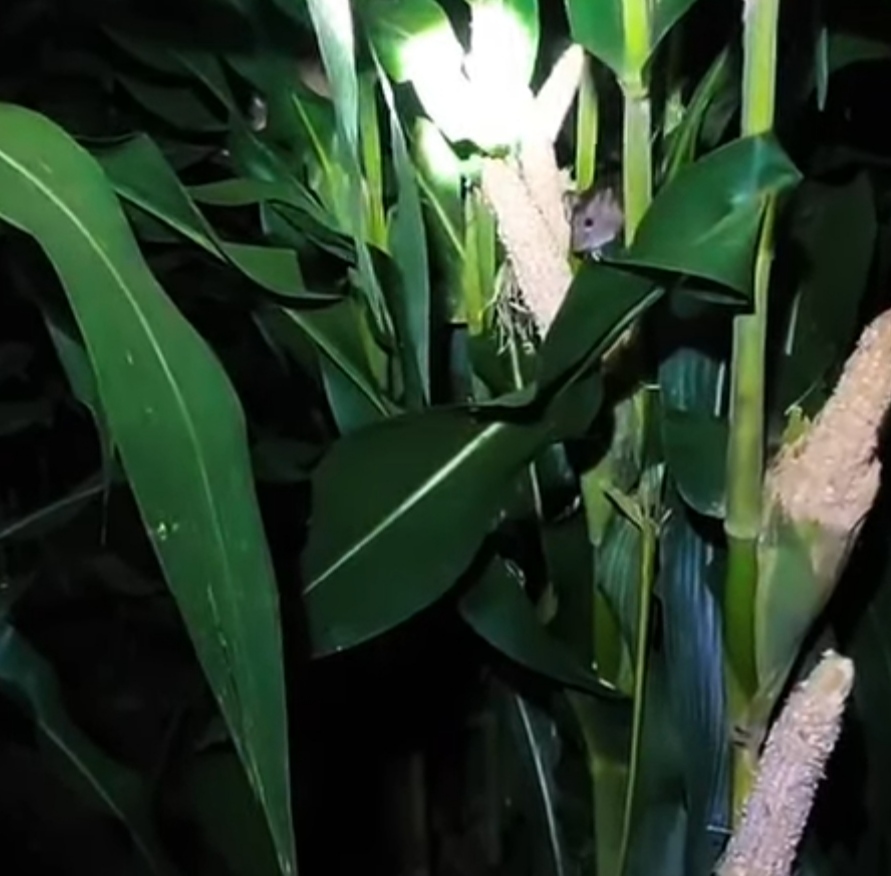
Rat infestations have attacked 353 hectares of paddy crops across 24 regencies and cities in Central Java since June. Although it has not yet disrupted overall rice production, the attacks have caused a decrease in yields in several areas and caused anxiety among farmers.
The Head of the Central Java Department of Agriculture and Livestock (Distanak), Defrancisco Dasilva Tavares, stated that the dry season is one of the factors triggering the increase in rat attacks in paddy fields. “Rat pests have attacked 353 hectares of agricultural land in 24 areas in Central Java since last June. This condition is influenced by the dry season, which makes rats increasingly aggressive in attacking rice plants,” said Defrancisco on Wednesday (8/7).
According to him, although the extent of the attack is quite significant, the situation has not yet impacted the overall rice production of Central Java. However, farmers whose lands are affected continue to suffer losses due to decreased harvests.
CONTROL MEASURES
The Central Java Provincial Government, Defrancisco continued, has prepared several control measures, ranging from the distribution of pesticides to the use of owls as natural predators of rats. “The government has begun distributing pesticides to prevent a wider spread of the pest. We will also assist in the distribution of owls as natural predators to suppress the rat population,” he said.
Data from the Central Java Department of Agriculture and Livestock notes that Pemalang Regency has the widest area of attack, at 6t6 hectares. This is followed by Purworejo Regency with 46 hectares, Grobogan with 39 hectares, Banyumas with 33 hectares, and Boyolali with 24 hectares. Meanwhile, other areas recorded attack areas between 5 to 10 hectares.
Defrancisco urged farmers to immediately report pest attacks to their local agricultural departments so that handling can be carried out more quickly. “We ask farmers whose lands are attacked to report immediately to the agricultural department in their respective areas so that handling can be done early and not spread further,” he said.
INSTALLING ELECTRICITY
At the farmer level, rat attacks are beginning to trigger concern as they occur while some regions enter the dry season. In addition to conducting collaborative control through mass rat hunting (penggeropyokan), some farmers are taking extreme steps by installing electric currents around the rice fields to deter pests that are active at night.
“We are forced to install electricity because we are worried that the rice plants will be completely destroyed by rats, causing crop failure,” said Sarmo (59), a farmer in Grobogan Regency.
Kurniyah, a farmer in Taman District, Pemalang Regency, admitted that the rat attacks have forced farmers to work harder to hunt the pests. Nevertheless, several plots of rice fields still suffered damage, making them unable to be harvested.
Meanwhile, Sugandi, a farmer in Semarang Regency, said that rat attacks almost always appear every dry season. Therefore, farmers routinely organise mass hunting sessions to suppress the pest population. “Together with hundreds of farmers, we immediately carry out mass hunting whenever an attack appears so that it does not spread further,” said Wiwit, a farmer in Banyubiru, Semarang Regency.