
Rare Earth Metals: The Global Power Map and Non-Chinese Ambitions
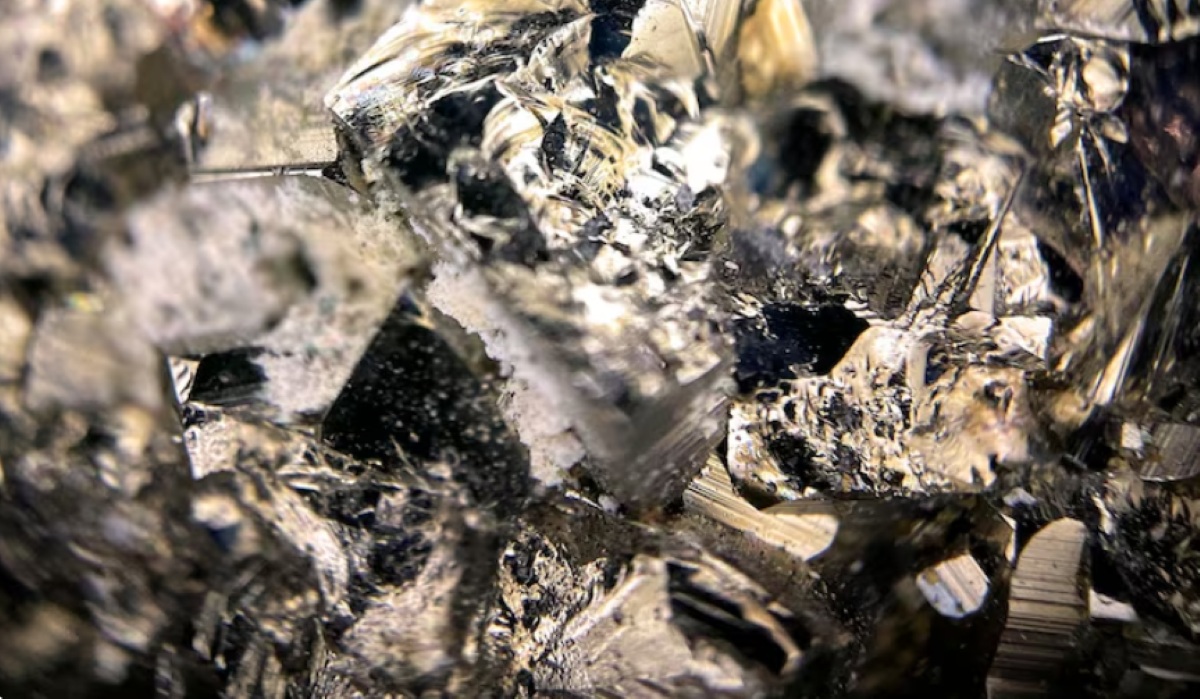
Rare earth metals are now a primary focus for global investors. The latest trade tensions highlight China’s monopoly over these strategic materials. The surge in physical AI applications such as robotics promises to accelerate demand for materials used in all of that, from iPhones to fighter jets.
This condition triggers large capital flows into rare earth metal projects outside China. However, understanding the prospects of new mines is not easy, given the complexity of mining technical reports and geological challenges that exist.
As of 2025, there are only four major mines that dominate the global supply:
Global rare earth oxide production reached a total of 390,000 tonnes in 2025, a drastic jump from 124,000 tonnes a decade earlier. Although important, the industry is relatively small compared with other commodities. For comparison, the world consumed 29 million tonnes of copper in the same year.
Rare earth metals consist of 17 elements divided into light (used for magnets) and heavy (used for optics and specialty applications). The main rare earth minerals mined are Bastnäsite and Monazite. The main challenge in processing Monazite is its radioactive thorium content, which requires special handling.
Currently, several start-ups are beginning to emerge to challenge the dominance of established players:
Prices of rare earth material have risen sharply due to demand and US government efforts to secure non-Chinese supply. The US Department of Defence even signed a deal with MP Materials that includes a base price of US$110 per kilogram for Neodymium-Praseodymium (NdPr) oxide, well above the average price of previous years which was only around US$50.
CEO of MP Materials, Jim Litinsky, warned that owning large tracts of land with rare earth content does not guarantee economic viability. “Ore that is economical is very rare,” he said in November 2025.
Yet optimism remains high. CEO of REA, Donald Swartz, projected that to produce 1 to 10 million humanoid robots per year, the world would need additional supply equivalent to 3 to 28 mines the size of Mount Weld. This indicates that although challenging, the potential for industry growth remains wide open. (Barron’s/I-2)
Brian explains that rare earth metals are strategic materials that are key to the development of the national car industry (mobnas).
A complete guide to Rare Earth Elements (REE), their uses in modern technology, and a list of countries with the largest reserves in the world.
USA Rare Earth’s acquisition of Serra Verde in Brazil for US$2.8 billion or Rp48 trillion to secure rare earth supply and reduce dependence on China.
China and Iran now use control of trade routes and rare minerals as economic weapons, forcing the US to face a new geopolitics reality.
Donald Trump’s son is one of the investors in the first rare-earth element mine on the Arctic island.
President Trump asserts his intention to take Greenland for its rare minerals. Experts deem the idea ‘science fiction’ because the Arctic terrain is more extreme than the Moon.