
Rambutan Bus Terminal ramps up waste sorting to reduce burden on Bantargebang
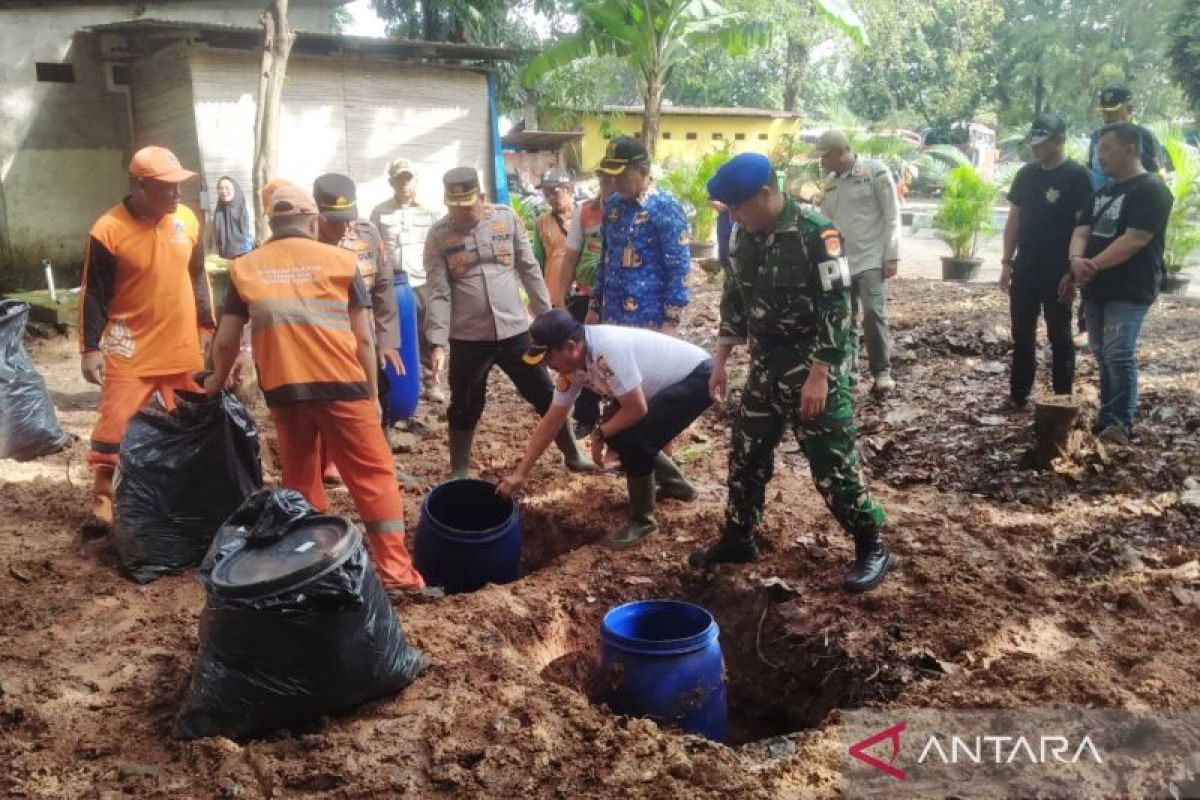
Jakarta (ANTARA) - The Kampung Rambutan Bus Terminal management, together with government elements and police, is stepping up a programme of sorting and processing waste to support efforts to reduce waste volumes towards the Bantargebang Integrated Waste Treatment Facility (TPST Bantargebang). ‘We need to implement sorting and processing so that not all waste is sent to the Bantargebang TPST,’ said Revi Zulkarnain, head of Kampung Rambutan Bus Terminal, in East Jakarta on Wednesday. According to Revi, the terminal, as a public area visited by many people from various regions and backgrounds each day, generates a large amount of waste. Therefore, concrete steps are needed to reduce the waste burden sent to the Bantargebang TPST. He also expressed appreciation for the support of Ciracas District and the Environmental Health Office (Satpel Lingkungan Hidup), which have actively provided guidance and education to terminal users about waste management. According to Revi, cross-agency support can make the waste management programme at Kampung Rambutan Terminal run more effectively in the future. In addition to waste management by cleaning staff, the terminal authorities are also continuing to promote public awareness to keep the terminal environment clean, by disposing of rubbish in its proper place and sorting waste from the outset. With these steps, Revi hopes the cleanliness and comfort of Kampung Rambutan Terminal can be maintained, providing a healthier and more comfortable environment for passengers, traders and workers in the terminal area. Moreover, the terminal area is a high-activity site, generating a substantial volume of waste daily. Additionally, the temporary waste storage site (TPS) at Kampung Rambutan Terminal is also used by nearby residents to dump household waste. ‘The sorting and processing programme is expected to reduce the volume of waste that must be sent to the final disposal site,’ said Ritonga. Around 50 participants, comprising representatives of bus operating company (PO Bus) administrations and cleaning staff, received education on sorting organic and non-organic waste and turning waste into compost. The activity involved the Ciracas Environmental Health Office, Ciracas Police, bus company administrators, terminal cleaning staff, and members of the public active in the terminal area. The activity included symbolic waste sorting and compost-making using blue bins by several officials present. In addition to waste sorting, the terminal area already has facilities for a waste bank and compost processing. Non-organic waste is collected for the waste bank programme, while organic waste is processed into compost that is used for plants in the terminal area.