
RAM Prices Begin to Fall, Sign That Memory Crisis is Easing?
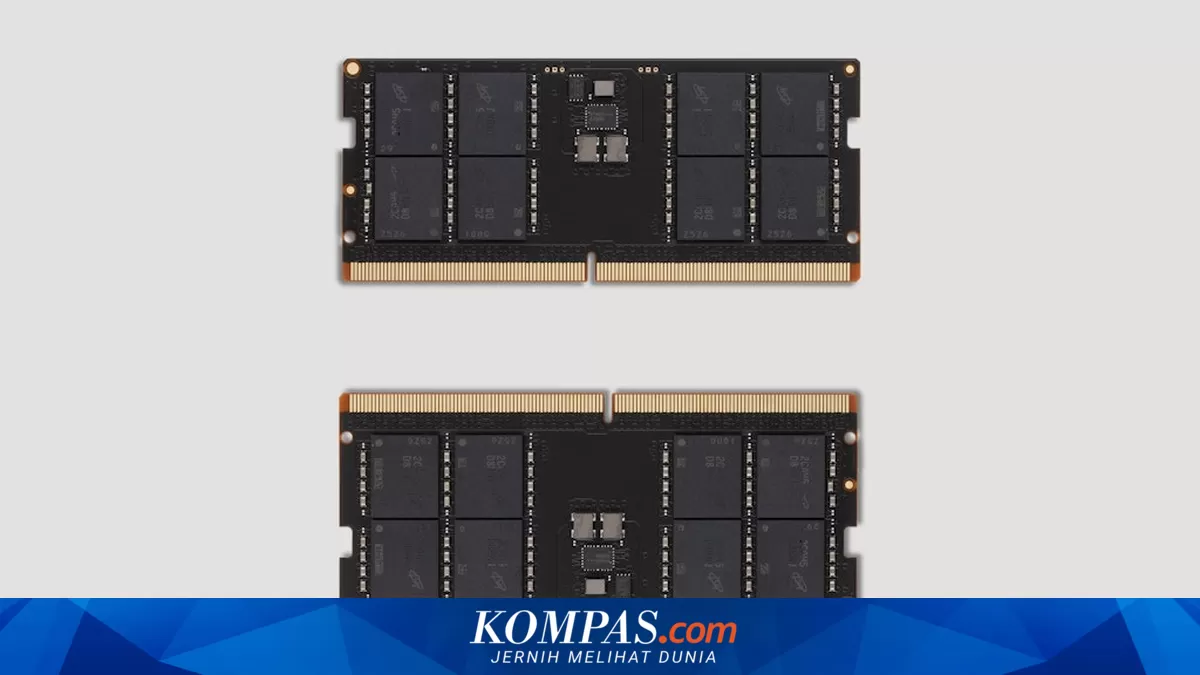
In the midst of a memory crisis that has driven up RAM prices worldwide, there is a glimmer of good news for PC users, gamers, and computer builders. DDR5 memory prices are beginning to show signs of decline, particularly in China, towards the end of April. Although the trend has not yet spread evenly across the world, it at least offers hope to consumers who have long complained about the high cost of components. In China, the price of 16 GB DDR5 SO-DIMM modules—the fifth-generation RAM commonly used in laptops, mini PCs, and compact devices—has reportedly fallen sharply. It is now in the range of 1,159 yuan, or about Rp 2.8 million, down from 1,759 yuan, or about Rp 4.3 million previously. This decline equates to around 34 per cent compared to February prices, and it is the second reported drop in the same month. Nevertheless, compared to conditions a year ago, current RAM prices are still very high. During the same period last year, similar modules were sold for around 246 yuan, or Rp 600,000. This means that, despite the decline, current DDR5 prices are still nearly five times more expensive than before the crisis. This situation reflects a memory market that is not yet fully stable. RAM price movements in recent months have been highly volatile, with prices dropping and then rising again within weeks. A similar situation has occurred in Europe, where DDR5 prices levelled off in March but climbed back up in April. Overall, memory prices remain at levels four to five times higher than in the pre-surge era. As a reminder, RAM, or Random Access Memory, is a crucial component in laptops and PCs that temporarily stores data to allow devices to run applications smoothly. The larger the RAM capacity, the better the multitasking capability. The surge in RAM prices is inseparable from the high demand from the artificial intelligence (AI) industry. Memory producers are now diverting most of their supply to meet the needs of large-scale data centres, making consumer market supply more limited. Signs of price declines have also been detected outside China. According to TrendForce analyst reports, the US and German markets have also recorded price easing.