
Rajiv: Birth of Elephant Calf 'Nona Seroja' a Momentum to Strengthen Conservation
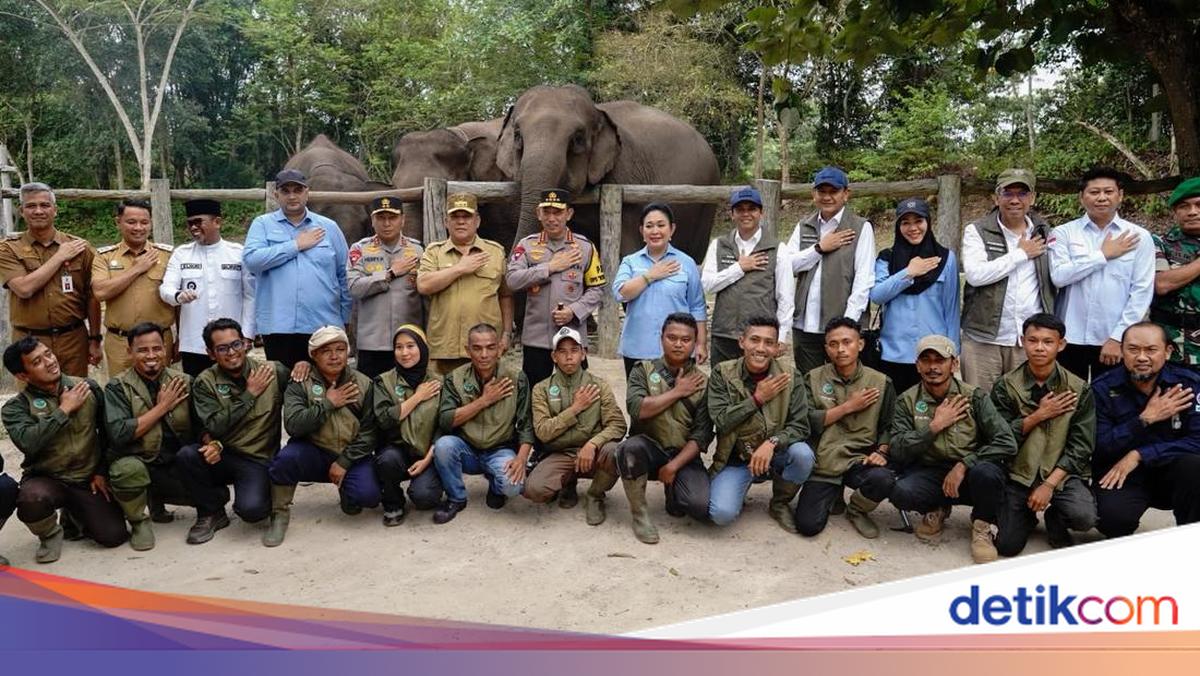
Member of Commission IV of the Indonesian House of Representatives (DPR RI), Rajiv, has expressed his appreciation for the success of Tesso Nilo National Park (TNTN) in Pelalawan Regency, Riau, in conserving Sumatran elephants (Elephas maximus sumatranus). This success is evidenced by the birth of an elephant calf named ‘Nona Seroja’.
“This birth is good news for the world of conservation, and serves as a symbol that efforts to protect the Sumatran Elephant are still yielding real results amidst various wildlife preservation challenges,” Rajiv stated in a written release on Friday (12/6/2026).
According to the young NasDem politician, the TNTN Flying Squad has recorded four elephant births in the last eight years, resulting from natural reproduction between managed female elephants and wild elephants within the TNTN area.
Furthermore, he noted that this demonstrates effective management, mahout supervision, veterinary medical support, and the presence of a supportive habitat, all of which can produce concrete conservation achievements.
“The presence of Nona Seroja not only increases the population of managed elephants at the Tesso Nilo Elephant Flying Squad Camp, but also shows that the managed conservation pattern implemented in TNTN can serve as an important example for elephant conservation management in Indonesia,” he said.
These figures serve as a reminder that every birth of an elephant calf carries great significance, not just as an increase in numbers, but as hope for long-term population sustainability.
“Currently, the Sumatran Elephant remains in the Critically Endangered status. The Ministry of Forestry notes that the Sumatran Elephant population across the 22 remaining corridor landscapes in Sumatra is estimated at around 1,100 individuals. Therefore, the birth of Nona Seroja is a cause for joy for all of us,” Rajiv revealed.
He stated that the birth of Nona Seroja should also be viewed as a momentum to strengthen the relationship between humans and elephants. Human-elephant conflict remains one of the primary challenges in conservation, particularly due to changes in land use, habitat shrinkage, and the disruption of elephant migratory corridors.
Therefore, conservation success is not enough through wildlife protection alone, but must be accompanied by strengthening harmonious relationships between communities, park managers, authorities, local governments, and all parties living alongside the elephant ecosystem.
“I hope the conservation model in Tesso Nilo, specifically through the management of the Flying Squad, can continue to be strengthened and used as a role model for Sumatran Elephant conservation in Indonesia. This model is important because it does not only focus on animal rescue, but also encompasses care, health monitoring, conflict mitigation, community education, and sustainable habitat protection,” Rajiv concluded.