
Rail-Based Connectivity Gains Ground: KAI Group Serves 214.05 Million Passengers up to May 2026
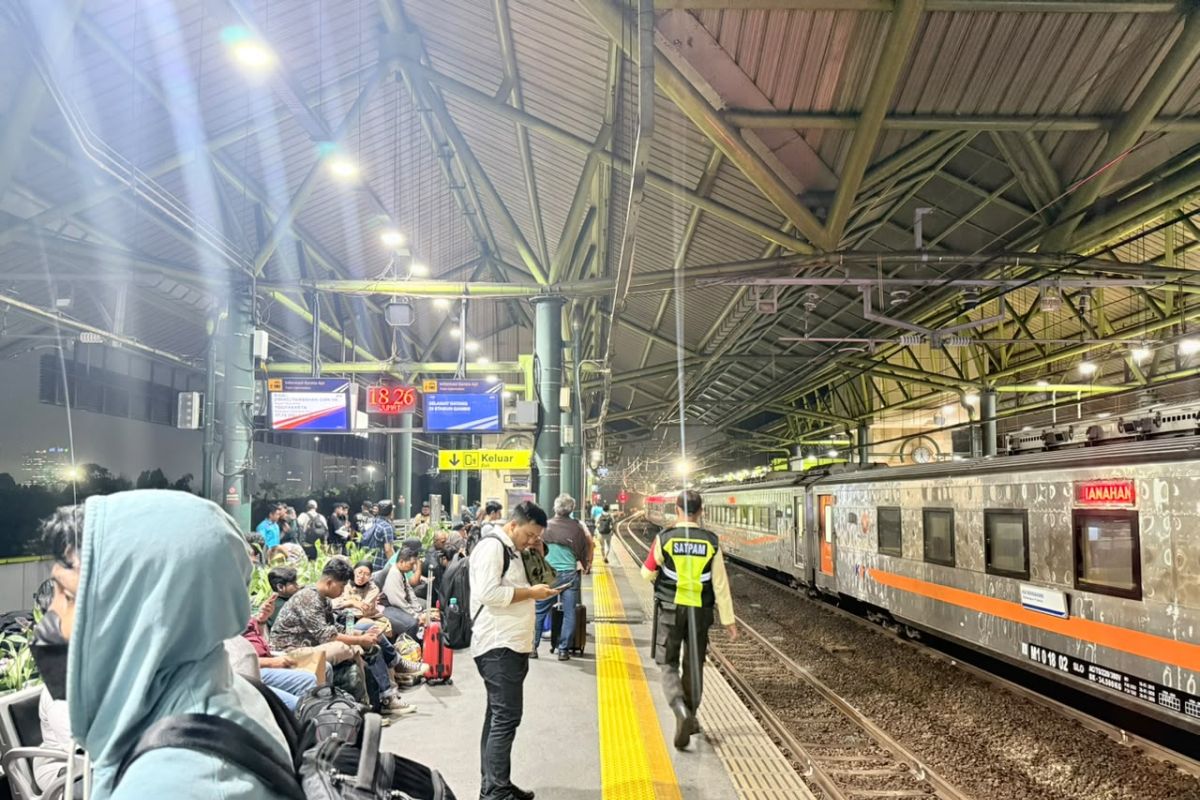
Daily mobility, intercity travel, airport access, and tourism continue to grow alongside rising public demand for rail-based transport. Statistics Indonesia (BPS) recorded around 1.2 billion domestic tourist trips throughout 2025, an increase of 17.55 percent compared to the previous year. This mobility growth drives the need for a transport system capable of connecting residential areas, economic centres, tourist destinations, educational zones, and airports efficiently and sustainably. In this context, rail-based transport increasingly serves as a link for various community activities. Trains facilitate daily commutes to workplaces and schools, connect centres of economic growth between cities, provide access to airports, and support tourist travel to various regions. This trend is reflected in the performance of the KAI Group. From January to May 2026, KAI Group served 214,045,803 passengers, an increase of 7.20 percent compared to the same period in 2025, which saw 199,663,907 passengers. Vice President Corporate Communication of KAI, Anne Purba, stated that the passenger growth demonstrates the strengthening role of rail-based transport in supporting public connectivity across various regions of Indonesia. “Trains are part of people’s daily activities. Some use them for work, study, business, tourism, or accessing other transport services. Growing connectivity makes travel easier, more efficient, and reliable,” Anne said. The largest contributor came from KAI Commuter, which served 169,047,494 passengers, a 6.24 percent increase compared to 159,111,614 passengers in January–May 2025. With this volume, KAI Commuter is one of the largest rail-based mass transit systems in Southeast Asia. In intercity travel, KAI’s Long-Distance and Local Trains served 24,372,733 passengers, a 9.94 percent increase compared to 22,168,570 passengers in the same period last year. This flow connects various economic centres, industrial zones, educational cities, trade hubs, and tourist destinations across Java and Sumatra. For modern urban services, LRT Jabodebek served 13,211,856 passengers, a 23.16 percent increase compared to 10,727,798 passengers in January–May 2025, showing the growing role of public transport in supporting mobility in the Jakarta, Bogor, Depok, and Bekasi areas. KAI Bandara served 2,905,389 passengers, a 1.78 percent increase, through services in Medan and Yogyakarta, providing more reliable travel times to airports. Whoosh high-speed rail served 2,415,736 passengers, a 1.43 percent increase, strengthening economic ties between Jakarta and Bandung. In Eastern Indonesia, the Makassar–Parepare train served 145,735 passengers, a 25.48 percent rise, supporting access in South Sulawesi. Tourist trains recorded the highest growth, with KAI Wisata serving 131,843 passengers, a 72.78 percent jump, aligning with the expanding domestic tourism trend. LRT Sumsel served 1,815,017 passengers throughout January to May 2026, acting as the first urban rail system in Sumatra.