
Rahmi's Story of Working from Home as a Civil Servant Mother in East Java: Work Becomes Timeless
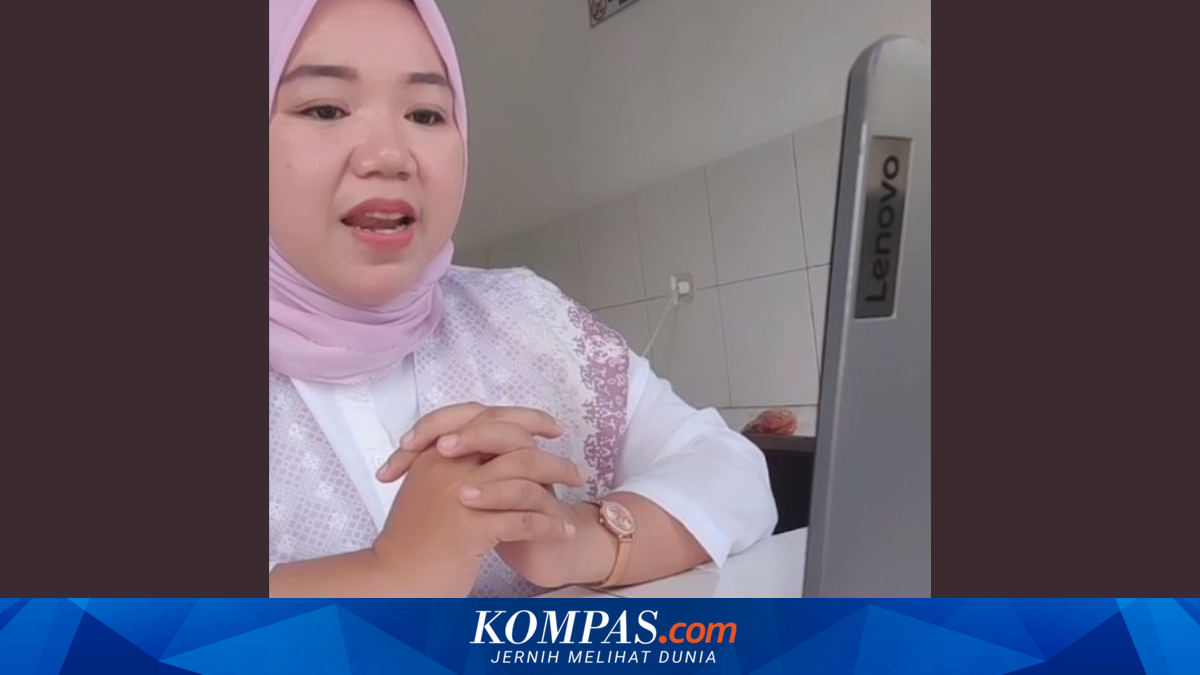
The work-from-home (WFH) system adopted by some civil servants (ASN) is not always synonymous with a more relaxed workload. For Rahmi (39), an ASN in the East Java Provincial Government, working from home has actually made the boundary between working hours and personal time feel even thinner. Rahmi, who works at the East Java Provincial Department of Agriculture and Food Security, said that the WFH policy has been in place for about the last month. As the mother of two primary school-aged children, she still begins her day with domestic routines before starting work. “Usually, I take care of household matters and the children first, such as preparing for school and cooking, before starting WFH,” she said when contacted by Kompas.com recently. Rahmi explained that coordination activities via Zoom typically start from the morning until late afternoon. After that, office work continues in the form of reports or other tasks that must be completed at home. She admitted that work often continues even after the children return from school in the afternoon. “Sometimes work continues into the night if the tasks are not finished,” she said. She even feels that coordination with superiors has become more intensive compared to working directly in the office. “With WFH, leaders call or coordinate more often because they don’t meet directly at the office,” she said. This situation makes working hours feel even longer. There is no longer a clear boundary like when working in the office, when employees can truly stop working after clocking out. “In the office, we finish at 4 pm. At home, sometimes we don’t realise that working hours have already passed,” said Rahmi. “So there is more time for family and children too,” she added. For Rahmi, a hybrid work system like one day of WFH per week is still quite comfortable to follow. She feels that this pattern still allows work to proceed while providing more space for personal life.