
Quick Solution for Building Luxury Resorts: ViroFab Ecosystem at ARCH:ID 2026
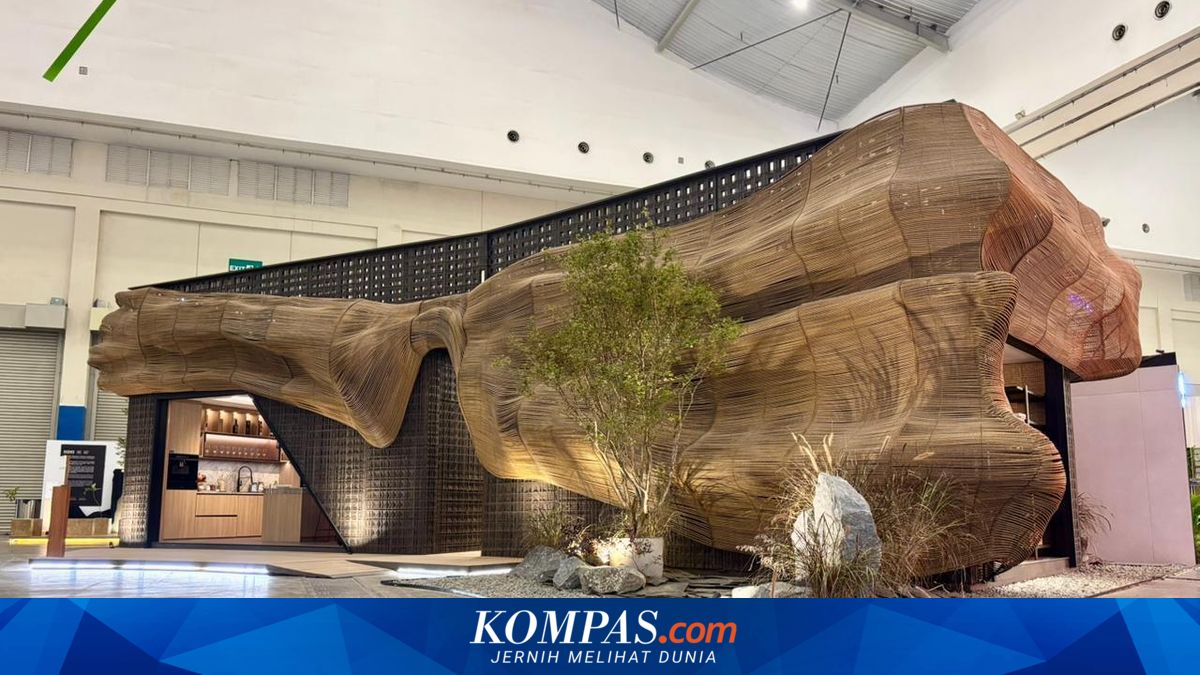
Viro has officially entered the premium modular construction industry through the launch of ViroFab at the ARCH:ID 2026 event in ICE BSD City, 23–26 April 2026. This step marks the transformation of the entity, previously known as a specialist provider of building materials, into a player in integrated construction systems. As physical proof of the system, Viro presents TenuNyaman. This unit is the inaugural project from the Virocroft category (bungalow class), demonstrating that modular methods can be applied to luxury buildings with high precision. Expertise in building codes and material testing standards over decades is now integrated into a single building ecosystem. “ViroFab is a logical step for us. After decades of building expertise in construction materials, we are now bringing that discipline into a more integrated modular building system,” said Executive Vice President of PT Polymindo Permata, Johan Young, on Saturday (25/4/2026). ViroFab is designed to address the classic challenges of conventional construction in Indonesia through three main pillars: certainty of quality, budget, and time. Factory fabrication ensures strict quality control in accordance with ISO 9001 standards. In terms of budget, the system eliminates unexpected costs because prices are locked according to the initial contract. Meanwhile, time efficiency is achieved because 70–90 percent of the construction process is completed in the factory, making on-site work much faster. Johan emphasised that TenuNyaman is a real representation of the ViroFab implementation. “TenuNyaman serves as real proof that luxury prefab modular building can be realised with high quality, exclusive design, and precise execution,” added Johan. The construction of this unit involved cross-industry collaboration. Grain and Green acted as the architecture and interior designer under the leadership of Principal Jeffrey Budiman and Architect Fei Efendy. The first product, Virocroft, is designed for one- to two-storey configurations with an area of up to 200 square metres. Its target market is tropical resort developers in destinations such as Labuan Bajo, Sumba, and Lombok.