
Questioning the Economic Benefits of Hajj
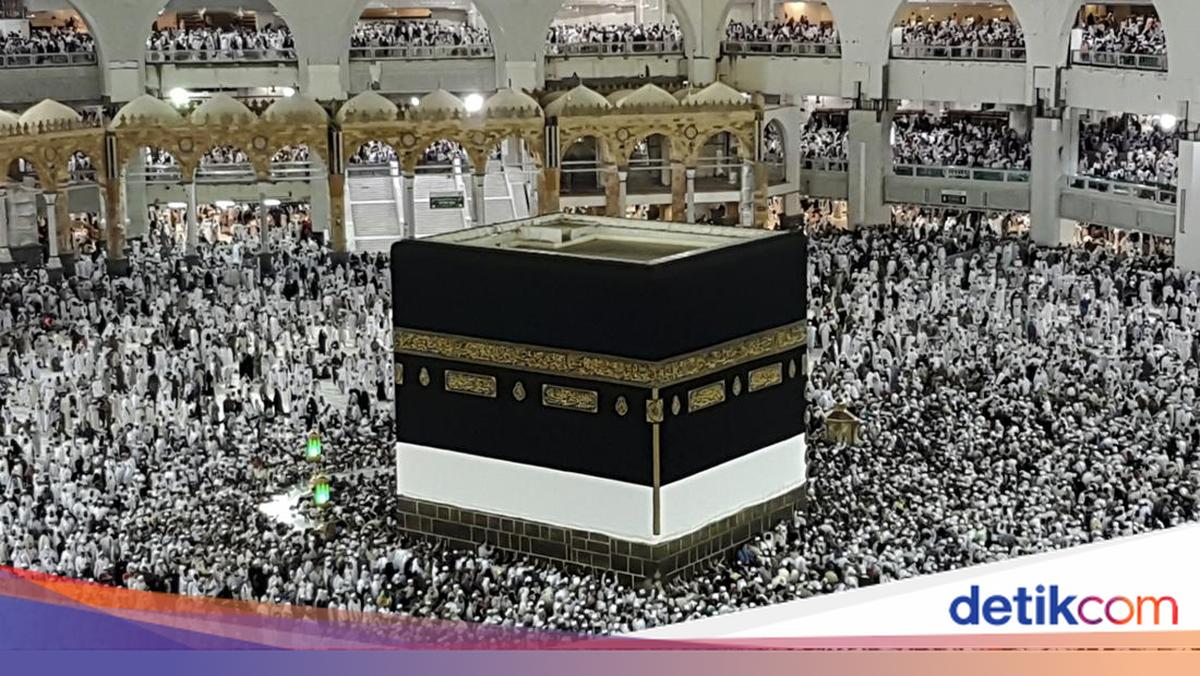
Hajj is the pinnacle of a Muslim’s spiritual journey. However, within the comprehensive Islamic perspective, worship is never separated from public welfare. Every economic activity arising from religious practice must provide broad benefits to the community. Therefore, Hajj should not only be viewed as a religious ritual but also as a strategic instrument to strengthen Sharia economics, enhance societal welfare, and bolster the nation’s economic sovereignty.
As the country with the world’s largest Muslim population, Indonesia holds a unique position. In 2026, Indonesia’s Hajj quota is expected to reach around 221,000 pilgrims, with Umrah pilgrims estimated at over 2.5 million annually. With current average Hajj and Umrah costs, the total economic activity related to these religious journeys is projected to exceed Rp110 trillion annually.
However, most of these economic benefits are currently enjoyed abroad. Indonesian pilgrims’ funds flow into sectors such as hotels, catering, transport, healthcare, trade, and digital services in Saudi Arabia.
Consequently, Indonesia acts primarily as a major market rather than a key player in the global Hajj economic value chain. Approximately 65-70% of Indonesia’s Hajj and Umrah economic value ends up in Saudi Arabia, meaning around Rp70 trillion (or approximately $4 billion) annually fuels the Saudi economy, while Indonesia reaps only a small share of the benefits.
Hajj Investment for Public Welfare
The greatest potential of the Hajj economy lies in Indonesia’s ability to transform from a service payer to an investor and beneficiary. Investment plays a crucial role here.
Indonesia has a strong institution through the professionally managed Hajj funds overseen by the Hajj Financial Management Agency (BPKH). The primary principles of managing public funds must prioritise safety, prudence, transparency, and Sharia compliance. BPKH cannot function optimally as it lacks equity capital to make direct investments in Saudi Arabia, which carry risks. The Hajj Financial Bill has proposed establishing BPKH’s capital.
Investments in sectors directly related to pilgrims’ needs are highly relevant, including accommodation, healthcare, logistics, and food and catering. My research indicates that the food and catering sector presents one of the most promising investment opportunities for Indonesia due to relatively low risk and strong alignment with Indonesian pilgrims’ needs.
In this context, the development of Hajj Village through Danantara’s investment offers a solution to strengthen Indonesia’s presence in the Holy Land. Danantara is also exploring strategic land near Masjidil Haram for a development that could serve as a hub for Indonesian pilgrims. The benefits include not only cost efficiency for pilgrims but also the creation of long-term revenue streams for Indonesia.
Foreign Exchange Savings and Economic Sovereignty
Beyond investment opportunities and public welfare, the Hajj economy has strategic dimensions for the national economy: foreign exchange savings and strengthening economic sovereignty.
Each year, Indonesia requires substantial foreign currency to fund pilgrims’ needs in Saudi Arabia. This creates pressure on the country’s foreign reserves and increases international transaction costs. Therefore, strategies are needed to enhance efficiency and strengthen Indonesia’s position in the global Hajj economic ecosystem.
A key step is expanding the Local Currency Transaction (LCT) scheme between Indonesia and Saudi Arabia. This mechanism allows transactions directly in rupiah and riyal without using US dollars as an intermediary currency. The impact is significant: lower transaction costs, improved efficiency, reduced exchange rate risk, and decreased foreign exchange demand. Negotiations for LCT use face challenges due to differing transaction values in each country. As an interim measure, rupiah LCT could be used in limited locations in Mecca and Medina.
In the long term, LCT is more than a technical payment instrument. This policy is part of a broader strategy to strengthen national economic resilience and reduce dependence on foreign currencies.
More importantly, using LCT in the Holy Land demonstrates that Indonesia is not only exporting pilgrims but also financial innovation and technology. In the digital economy era, a nation’s influence is determined not just by goods exports but also by its ability to provide systems and solutions widely adopted globally.
Ultimately, the Hajj economy is not about turning worship into a commercial activity. Rather, it is an effort to ensure that economic activities arising from religious practice deliver maximum benefit to the community. Indonesia has the largest number of pilgrims, substantial Hajj funds, a growing halal industry, and advancing financial technology capabilities. These assets must be transformed into economic strength that enhances societal welfare and strengthens national independence.
It is time for Indonesia to be known not only as the world’s largest pilgrim-sending country but also as an investor and supplier.