
Questioning the Coal Transportation Ban Deemed Detrimental and the South Sumatra Provincial Government's Response
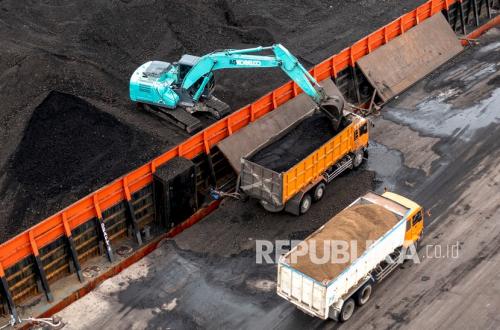
JAKARTA—The instruction from the Governor of South Sumatra prohibiting coal transportation on public roads is seen as seemingly oriented towards popularity but potentially causing serious impacts on society, particularly regarding electricity availability and supply. Public policy observer from Bung Karno University, Cecep Handoko, acknowledges that the South Sumatra provincial government’s policy appears responsive to local public complaints, such as traffic jams and road damage. However, according to the man familiarly known as Ceko, when viewed more broadly, this policy could create even larger new problems. “This step seems aimed at quickly gaining public sympathy but ignores its strategic impacts. When coal distribution is disrupted, it does not only affect the industrial sector but directly touches people’s lives,” Ceko stated to the media in Jakarta on Thursday (7/5/2026). Ceko also emphasised that coal is the primary source for steam power plants (PLTU) in Indonesia. According to him, disruptions in distribution will directly impact the national electricity supply. “If the coal supply is hindered, electricity availability will be disrupted. In the current economic conditions that are not yet fully stable, electricity disruptions will only further burden society, both households and businesses,” he said. Furthermore, Ceko reminded that the central government under President Prabowo Subianto’s leadership is striving to maintain economic stability and energy resilience. Therefore, regional policies should also support, rather than hinder, the national energy supply chain. “The people are currently facing economic pressures. If added to potential electricity disruptions, the burden on society will become even heavier. This must be the primary consideration in every public policy,” he stated. According to him, a total ban approach is not the right solution. The regional government should focus on more measured regulations, such as strict oversight of overloaded vehicles, operational hour arrangements, and the construction of dedicated coal transportation routes. “Public policy must not stop at mere image-building. There must be a balance between local interests and national interests, as well as consideration of long-term impacts on society,” he said. He also stressed the importance of coordination between regional and central governments to avoid counterproductive policies against society’s basic needs. “In the end, the measure of a policy’s success is how much it eases people’s lives, not the opposite. If a policy instead makes society more difficult, it needs to be seriously evaluated,” he added.