
Quarantine Certification Strengthens Competitiveness of Bima Shallots
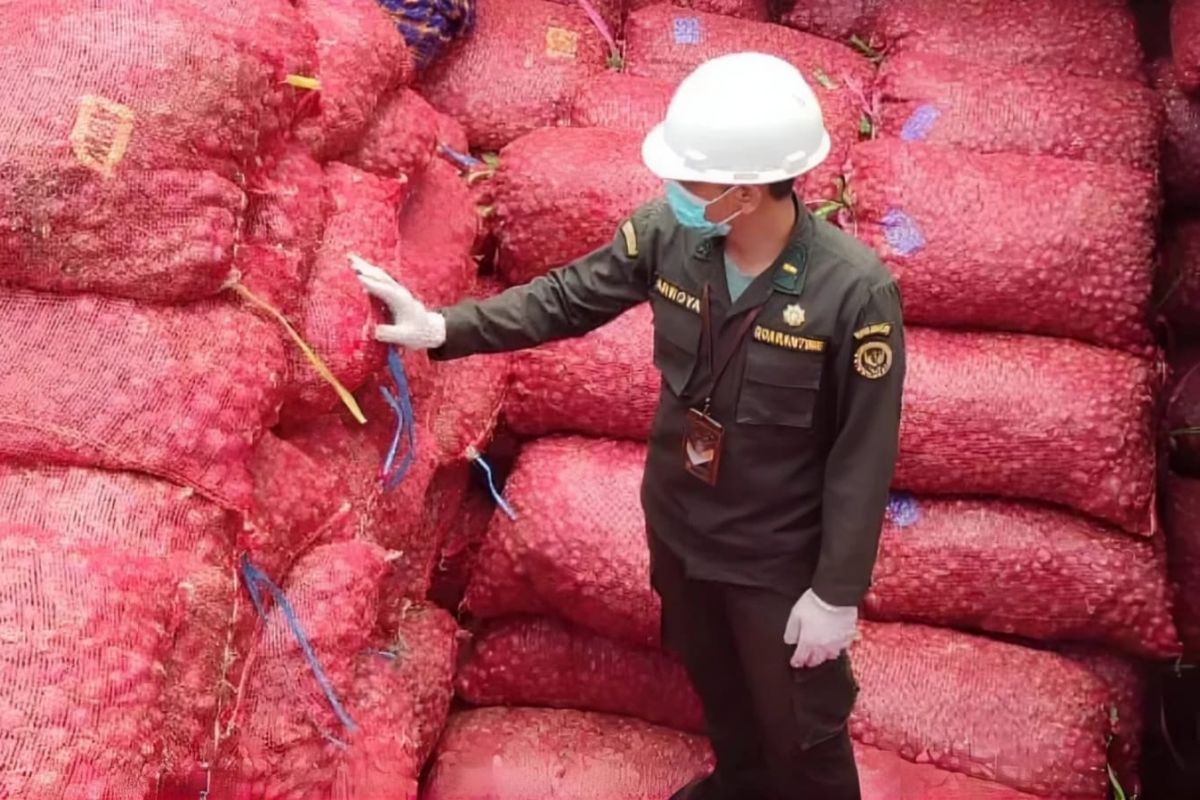
Mataram (ANTARA) - Plant health certification issued by the Indonesian Quarantine Agency is a crucial factor in strengthening the competitiveness of shallots from Bima Regency, Nusa Tenggara Barat (NTB).
Head of NTB Quarantine, Ina Soelistyani, stated in Mataram on Monday that quarantine certification provides assurance that traded commodities meet plant health standards, making them more readily accepted by destination markets.
The NTB Quarantine Office has tightened quarantine supervision to maintain agricultural quality and support the sustainability of Bima shallot distribution, a strategic commodity underpinning national food supply.
Data from the Central Statistics Agency (BPS) indicates that Bima Regency produced 945,150 quintals of shallots, equivalent to 94,155 tonnes, from 8,957 hectares of land in 2025. Bima is a pillar of national food security as one of the largest shallot-producing regions outside Java.
Abdul Salam, a quarantine officer at the Bima Service Unit, said hundreds of tonnes of shallots leave the region weekly, destined for Sulawesi, Java, Kalimantan, and eastern Indonesia. He assessed that this distribution is part of efforts to maintain domestic supply availability and national food price stability.
Before dispatch, every shipment undergoes physical and administrative inspections to ensure the safety and quality of the commodity. NTB Quarantine conducts checks to ensure shipments meet plant health standards and are free from Quarantine Plant Pest Organisms (OPTK).
Inspection activities include checking bulb condition, moisture content, and taking samples to ensure the shallots remain in good condition throughout the distribution process. Consistent business compliance and quarantine oversight are key to maintaining smooth distribution and the national food supply chain.