
QRIS usage in China strengthens cross-border transaction ecosystem
The expansion of QRIS (Quick Response Code Indonesian Standard), Indonesia’s QR code standard for facilitating digital payments via electronic money applications, in China is seen as a move to strengthen a secure, fast, and transparent cross-border transaction ecosystem.
Apep Noormansyah, Director of Technology Product and Operation and Acting Director of Finance Risk and Management at Finnet Indonesia (Finpay), stated that with increasingly interconnected payment systems, Indonesians can now transact at various merchants in China using domestic payment apps linked to QRIS services.
“The presence of QRIS in China also demonstrates the readiness of national digital infrastructure to support increasingly integrated regional payment connectivity in the global digital economy era,” he said in a statement in Jakarta on Tuesday.
Bank Indonesia (BI) launched the cross-border QRIS implementation for the People’s Republic of China (PRC) during the inauguration of the Indonesia Digital Innovation Centre (PIDI).
This strategic move, according to Apep, eases transactions for Indonesians in China, whether tourists or businesspeople, allowing instant QR code scanning without the hassle of currency exchange or more complex conventional payment methods.
Separately, Andi Syahputra, Head of Office & Asset Management at PT Finnet Indonesia, outlined the company’s commitment to supporting the Sustainable Development Goals (SDGs), particularly Quality Education, through technology that aids learning access, mentoring, and skill development.
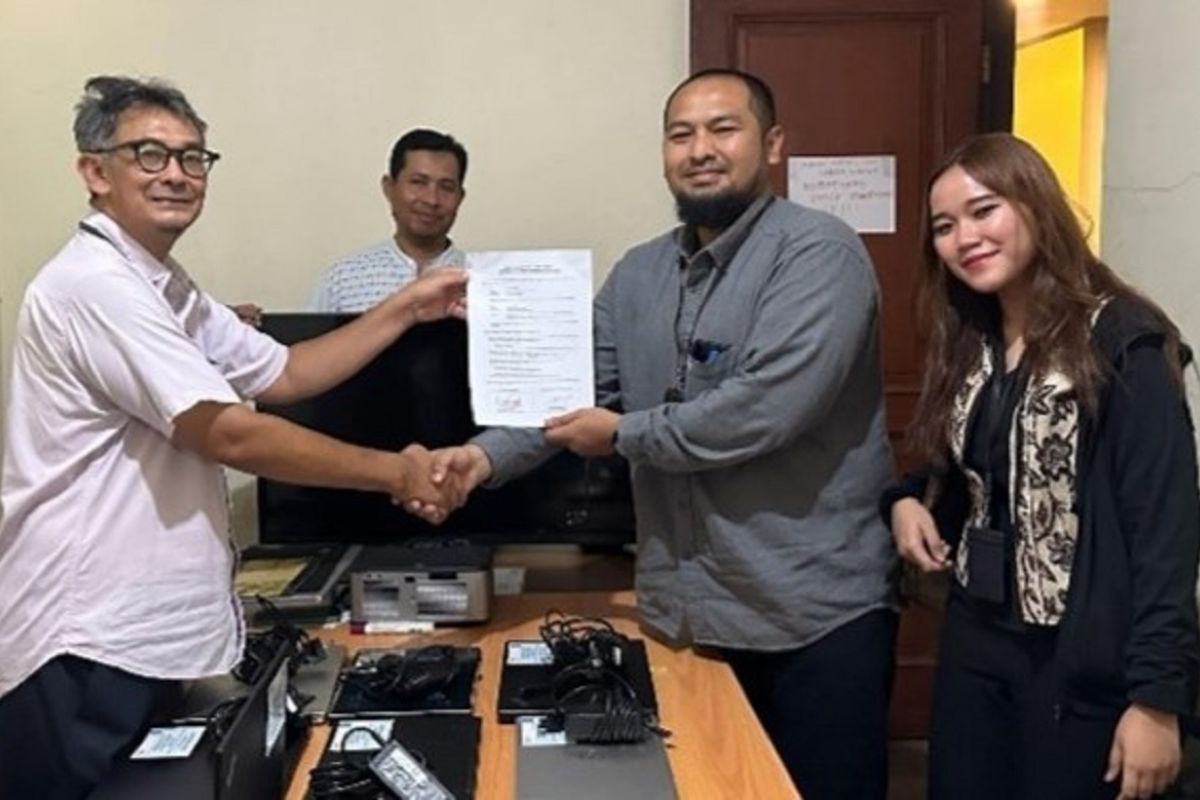
This commitment was realised by donating 20 laptops and six televisions to two social foundations: Muslimin Orphanage Foundation and Abadi Goodwill Foundation.
Andi noted the devices were previously company assets no longer in operational use but still functional to support educational and mentoring activities within the foundations.
“Through this initiative, we also aim to promote sustainability and social responsibility by utilising still-useful assets,” he added.