
Qodari: Indonesia's Economy Stable in 2026, Vastly Different from 1998 Crisis
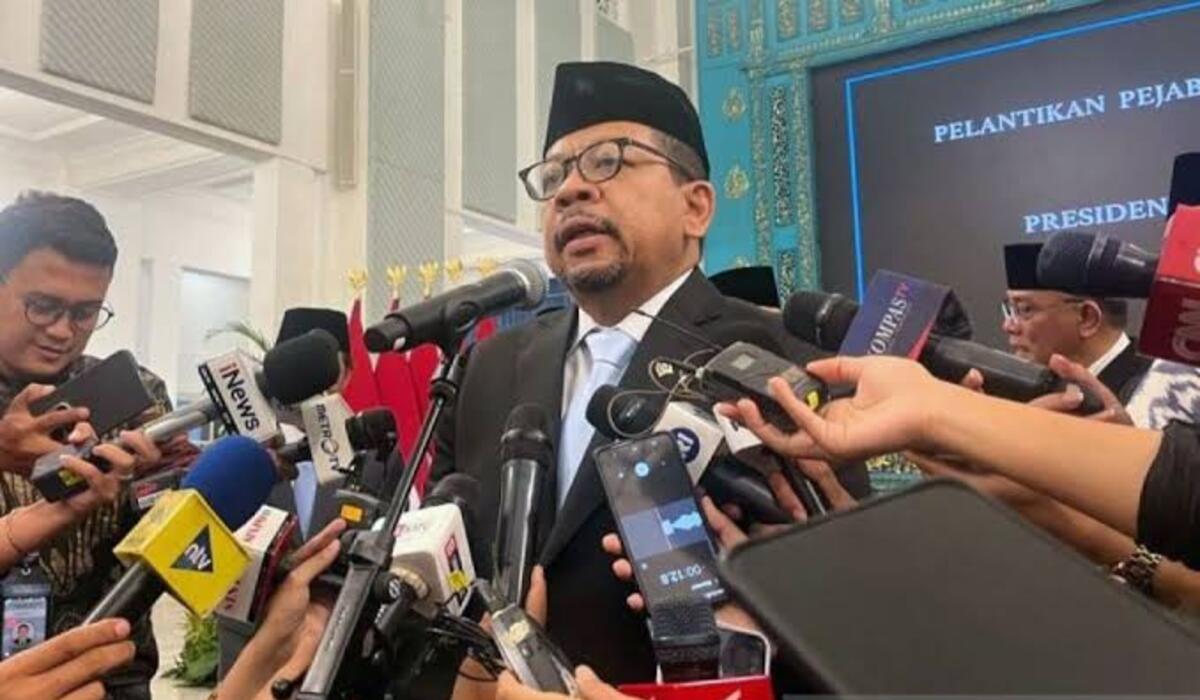
The Head of the Indonesian Government Communications Agency (Bakom), Muhammad Qodari, has emphasised that Indonesia’s current economic condition is in a stable position. He assessed that concerns regarding the potential recurrence of an economic crisis similar to 1998 lack a strong basis due to significant fundamental economic differences.
In an official statement from Bakom RI received in Jakarta on Tuesday (30/6/202<0xC2>6), Qodari explained that various economic indicators show Indonesia possesses much better resilience compared to the situation preceding the 1998 crisis.
“In essence, our fundamental indicators are very strong, and that is what makes today’s situation and conditions very, very stable,” said Qodari.
Qodari presented several data points to bolster his argument. In the first quarter of 2026, Indonesia’s economic growth was recorded at 5.61 per cent year-on-year. This figure places Indonesia as one of the countries with the highest economic growth in the world.
Regarding inflation, the national annual inflation rate stands at 3.08 per cent. Although this figure has increased compared to the April 2026 position of 2.42 per cent, Qodari emphasised that inflation remains controlled amidst global economic fluctuations.
Furthermore, the government debt-to-GDP ratio is currently maintained within the 40–41 per cent range. This figure is considered safe as it remains below the maximum threshold of 60 per cent stipulated by law.
A striking difference from 1998 lies in the strength of the banking sector. Qodari explained that the national banking sector currently maintains a well-managed Capital Adequacy Ratio (CAR), enabling it to support the stability of the national financial system.
“One thing that is very different from the 1998 crisis is that we now have the Indonesia Deposit Insurance Corporation (LPS), which provides peace of mind to the public,” he added.
The government, under the leadership of President Prabowo Subianto, is also claimed to be moving swiftly in responding to global dynamics to minimise direct impacts on the community. One concrete step taken is the provision of a soybean subsidy of Rp2,000 per kilogram for tofu and tempeh producers.
This measure was implemented as a solution to the rise in global soybean prices triggered by the weakening of the Rupiah exchange rate. Qodari ensured that every issue developing within the community is closely monitored by the cabinet members.
“Issues within the community reach the hands and ears of his (President Prabowo Subianto) assistants and are conveyed to the President,” concluded Qodari.
Source: jawawa.id (https://jawawa.id/newsitem/qodari-indonesias-economy-stable-in-2026-vastly-different-from-1998-crisis-1782834648)
Originally published by Media Indonesia (https://mediaindonesia.com/ekonomi/906034/qodari-ekonomi-indonesia-2026-stabil-berbeda-jauh-dengan-krisis-1998), translated from Indonesian