
Qodari: Indonesia's Current Economic Conditions Differ from 1998
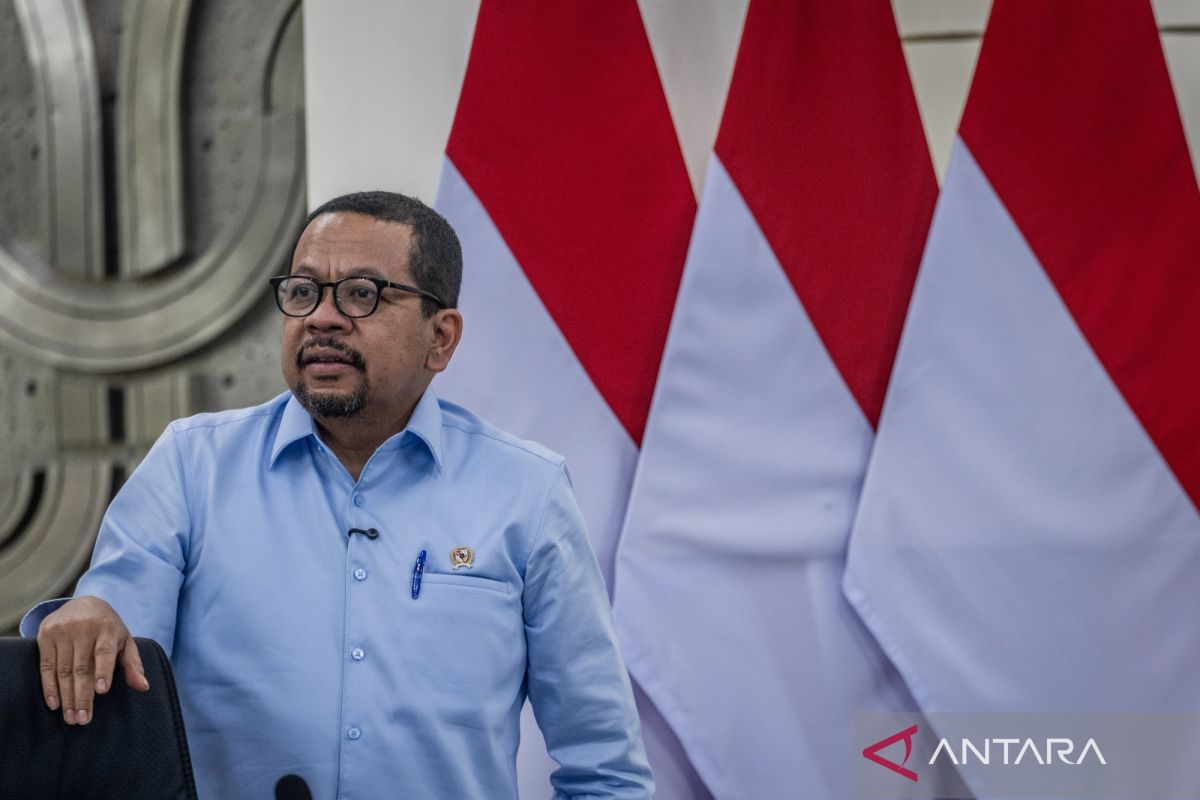
Jakarta (ANTARA) - The Head of the Indonesian Government Communications Agency (Bakom), Muhammad Qodari, stated that Indonesia’s economy is currently in a stable condition, making concerns regarding the possibility of a recurrence of an economic crisis like that of 1998 unfounded.
In a statement from Bakom RI received in Jakarta on Tuesday, Qodari explained that various economic indicators show that Indonesia’s current condition is very different compared to the situation preceding the 1998 crisis, with the economy presently in a stable state and possessing strong fundamentals.
“In essence, our fundamental indicators are very strong, and that is what makes the situation and conditions today very, very stable,” said Qodari.
He referred to the conditions in the first quarter of 2026, where Indonesia’s economic growth reached 5.61 per cent year-on-year. This indicates that Indonesia possesses strong economic fundamentals, ranking among the highest in the world.
On the other hand, Indonesia’s annual inflation rate also remains at a controlled level, at 3.08 per cent. Although this is an increase compared to April 2026, which was recorded at 2.42 per cent, national inflation is considered stable amidst global economic dynamics.
Qodari also highlighted that the government’s debt-to-GDP ratio currently sits in the range of 40–41 per cent. This figure remains well below the maximum limit of 60 per cent as regulated by legislation, thus remaining within the safe category.
Furthermore, the condition of Indonesia’s banking sector is deemed far stronger than during the 1998 crisis. He explained that the national banking sector currently maintains a well-guarded capital adequacy ratio (CAR), enabling it to support the stability of the financial system.
“One thing that is very different from 1998 is that we now have the Deposit Insurance Corporation (LPS), which provides peace of mind to the public,” he said.
Furthermore, Qodari emphasised that the government continues to move swiftly to respond to various global economic dynamics to minimise the impact on the community. One of the recent steps taken was the provision of a soybean subsidy of Rp2,000 per kilogram for tofu and tempeh producers, in response to the rise in global soybean prices influenced by the weakening of the rupiah exchange rate.
“Issues within the community reach the hands and ears of his (President Prabowo Subianto) aides and are conveyed to the President,” said Qodari.