
Qodari: Government Preparing Special Free Nutritious Meal Scheme for 3T Regions
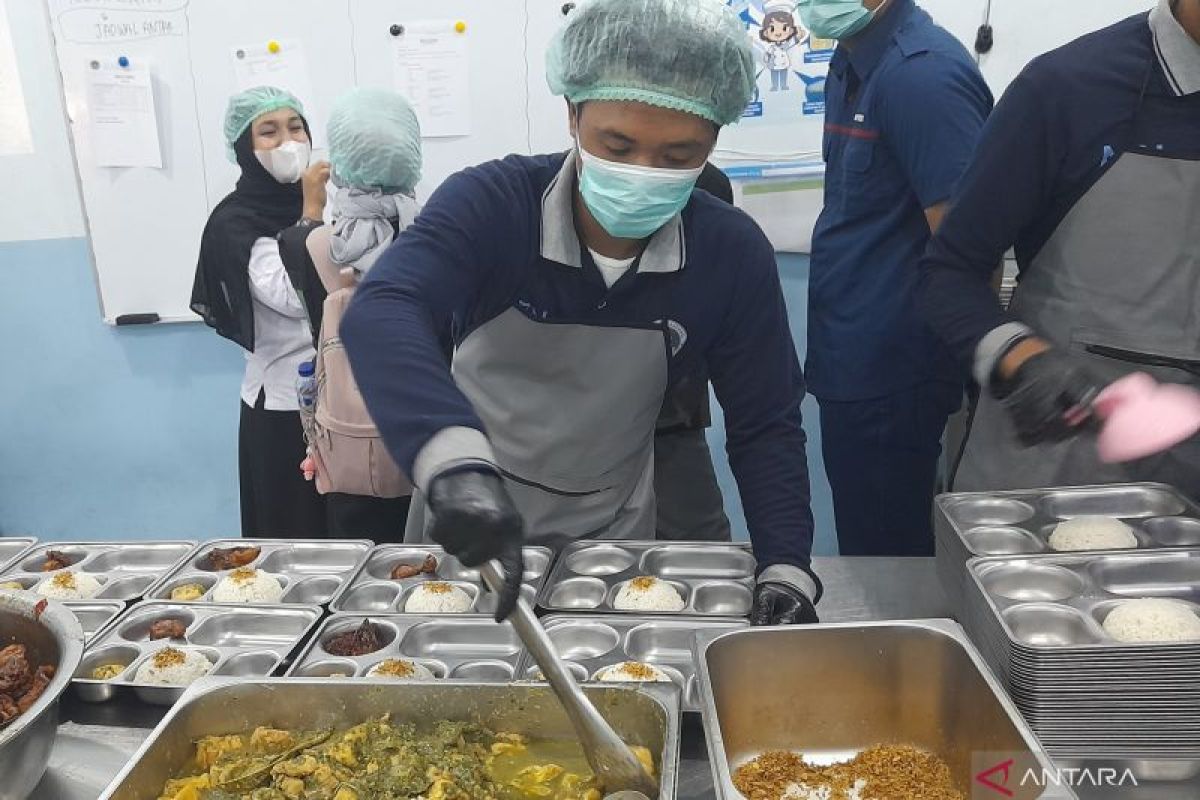
The government, through the National Nutrition Agency (BGN), is preparing a special scheme for implementing the Free Nutritious Meal (MBG) Programme in underdeveloped, frontier, and outermost (3T) regions, according to the Head of the Government Communication Body (Bakom RI), Muhammad Qodari. Qodari stated that this step is being taken so that nutritional fulfilment services can reach communities in areas with geographical characteristics and population densities that differ from urban areas. “So, indeed, there is a separate scheme for the 3T regions,” Qodari said in a statement received in Jakarta on Friday. He said the policy aligns with the refocusing of the MBG programme, which is now prioritised for breastfeeding mothers, pregnant women, and toddlers (3B), as well as communities in 3T regions. Qodari explained that implementing the MBG in 3T regions faces distinct challenges, particularly regarding geographical conditions and relatively small populations. Currently, each Nutrition Fulfilment Service Unit (SPPG) serves around 2,000 to 2,500 beneficiaries. This scheme is more effectively applied in non-3T regions with larger populations. Conversely, applying the same scheme in 3T regions is less optimal due to the limited number of residents. Furthermore, if 3T regions are served by an SPPG located outside the area, the food distribution process could potentially take longer and not comply with BGN regulations. Based on the technical guidelines for MBG implementation, each SPPG is only permitted to serve beneficiaries within a maximum radius of six kilometres with a travel time of no more than 30 minutes. Therefore, the government is still finalising the most appropriate mechanism for distributing MBG to beneficiaries in 3T regions. One option being studied is the use of school canteens as a means of MBG service. However, the government is also considering other, more flexible alternatives, given that not all schools in 3T regions have canteens due to infrastructure limitations. Qodari emphasised that the government remains committed to delivering the MBG programme in 3T regions, considering its important role in addressing stunting, improving nutritional status, and supporting the enhancement of Indonesia’s human resources quality. “What is clear is that this programme is very good for tackling the stunting problem, for improving the health quality of our children, and also for increasing IQ so that our PISA scores, our mathematics scores, are not inferior to other countries. The challenge, of course, is how to ensure this programme truly provides maximum benefits,” he said.