
Qodari: DTSEN Ensures Social Protection Reaches Those in Need
Suahasil has been entrusted with ensuring the state budget continues to grow and stabilise the economy.
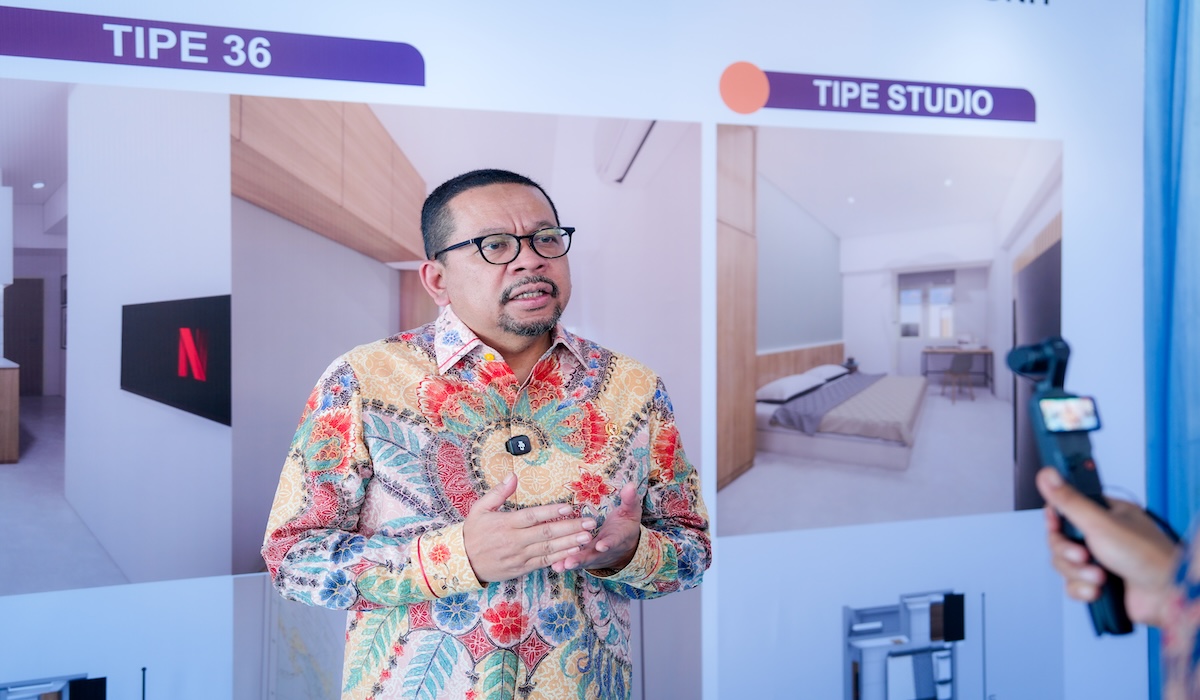
The government has officially implemented the National Socio-Economic Single Data (DTSEN) as a single database to ensure social protection programmes reach citizens who genuinely need them. Head of the Government Communication Agency (Bakom) of the Republic of Indonesia, Muhammad Qodari, affirmed that this data integration is the primary instrument for accurately classifying the public’s level of welfare.
DTSEN now serves as the cross-ministerial and institutional reference for various priority programmes. These include the distribution of social assistance (bansos), People’s Schools (Sekolah Rakyat), the 3 Million Houses Programme, the Smart Indonesia Card (Kartu Indonesia Pintar), and BPJS Kesehatan Contribution Assistance Recipients (PBI).
Qodari explained that DTSEN is not static data, but a database continuously updated to reflect changes in society’s socio-economic conditions. The government has also provided proposal and objection mechanisms so that citizens who have not yet been recorded or whose data is inaccurate can have it corrected promptly.
“Data updating and integration have succeeded in helping find citizens who previously had not received assistance despite meeting the criteria. This is a tangible manifestation of the state’s presence,” Qodari said in his official statement in Jakarta on Tuesday (15/9).
Before DTSEN existed, socio-economic data was scattered across various sources such as Regsosek, DTKS, and P3KE, which often caused fragmentation. The government then mandated the Central Statistics Agency (BPS) to integrate all these sources into one unified system.
The impact is becoming clearly visible. Since DTSEN was implemented, 4.33 million new beneficiary families (KPM) have been recorded. Examples include Mistam Rizwandi from West Java and Mrs Juriah from Brebes. Both were in the first decile yet had previously been missed by assistance programmes; thanks to this data correction, they now receive PKH and food assistance.
Nevertheless, Qodari reminded that DTSEN functions as a social registry, not an automatic list of recipients for all programmes. Determining beneficiaries remains the authority of the relevant ministries according to each programme’s criteria.
“The measure of DTSEN’s success is not merely whether the data is perfect, but whether its mechanisms are increasingly open and able to reach those entitled,” he concluded.