
Qodari: B50 Programme Strategic for Safeguarding Economic and Energy Resilience
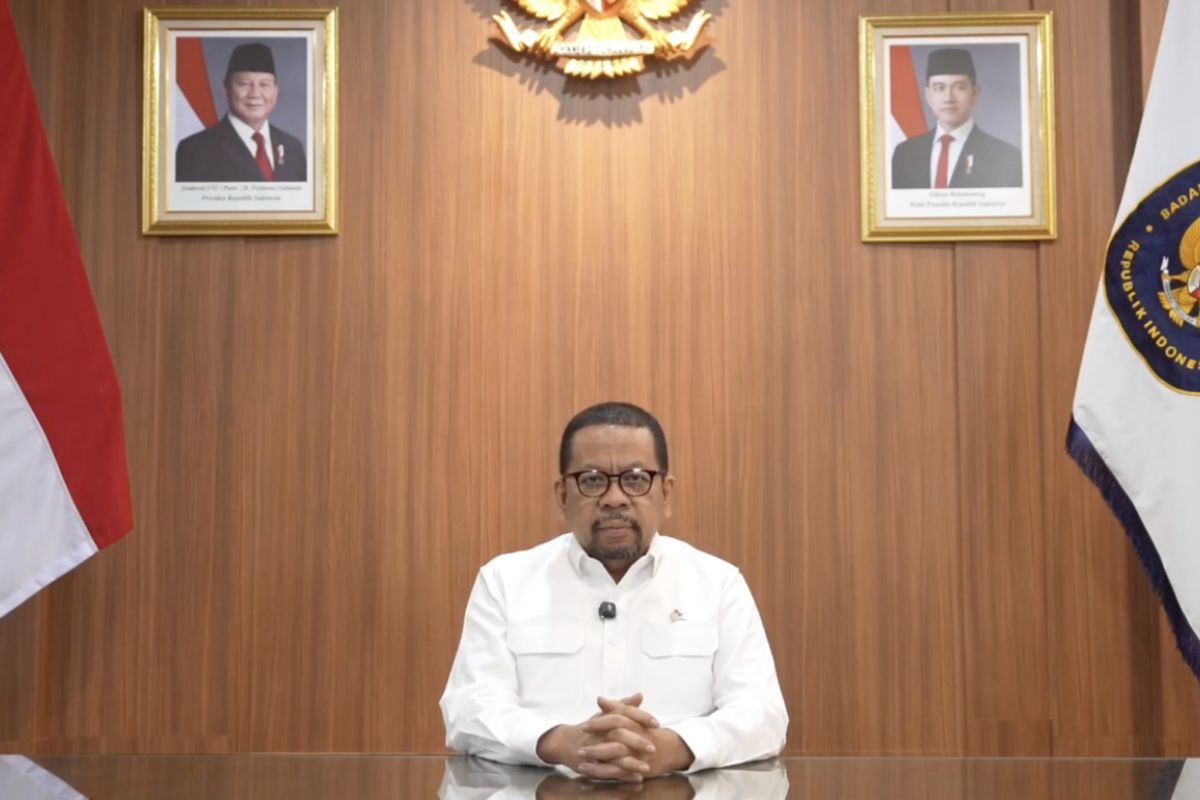
Head of the Government Communication Body (Bakom) Muhammad Qodari stated that the Mandatory B50 Programme, officially enacted by the government starting 1 July 2026, is part of a strategic agenda to safeguard Indonesia’s economic and energy resilience. Qodari said the policy is also implemented to reduce Indonesia’s dependence on imported fuel oil to meet national energy needs. “Indonesia becomes the first country in the world to implement the B50 biodiesel policy nationally. This policy is part of the government’s strategic agenda to reduce dependence on fuel imports, strengthen the added value of national natural resources, and maintain Indonesia’s economic and energy resilience,” he said. He explained that the mandatory B50 programme requires a fuel blend consisting of 50 per cent diesel and 50 per cent vegetable oil-based fuel. Currently, the B50 programme is being implemented in stages with a three-month transition period. “It is targeted that by 1 October 2026, all petrol stations will be selling B50,” he said. Qodari noted that the mandatory biodiesel programme began in 2008. Initially, the programme started with B2.5 before gradually developing into B50. The B50 programme is projected to save the country up to Rp170 trillion in foreign exchange this year. “This programme is directed at completely stopping diesel imports. B50 is projected to save the country up to Rp170 trillion in foreign exchange in 2026,” he said. Furthermore, B50 is expected to have a significant multiplier effect by increasing the added value of crude palm oil (CPO) by Rp23.49 trillion and absorbing around 2.1 million workers. From an environmental perspective, B50 is also expected to reduce greenhouse gas emissions by up to 44.46 million tonnes of CO2 this year. The government has ensured readiness for the implementation of B50 through comprehensive preparations. From a technical aspect, the government has conducted tests on the use of B50 in various diesel engine user sectors to ensure performance, safety, and suitability. “From the supply and distribution aspect, the government has ensured the readiness of biodiesel production capacity, raw material availability, as well as blending and distribution infrastructure,” Qodari said. Qodari emphasised that energy self-sufficiency is one of the main requirements for Indonesia to stand as a sovereign nation. The mandatory B50 programme is one of the steps to realise energy self-sufficiency and resilience by utilising national natural resources.