
Qlola by BRI Introduces Dashboard to Track Pelindo Transactions and Fund Status
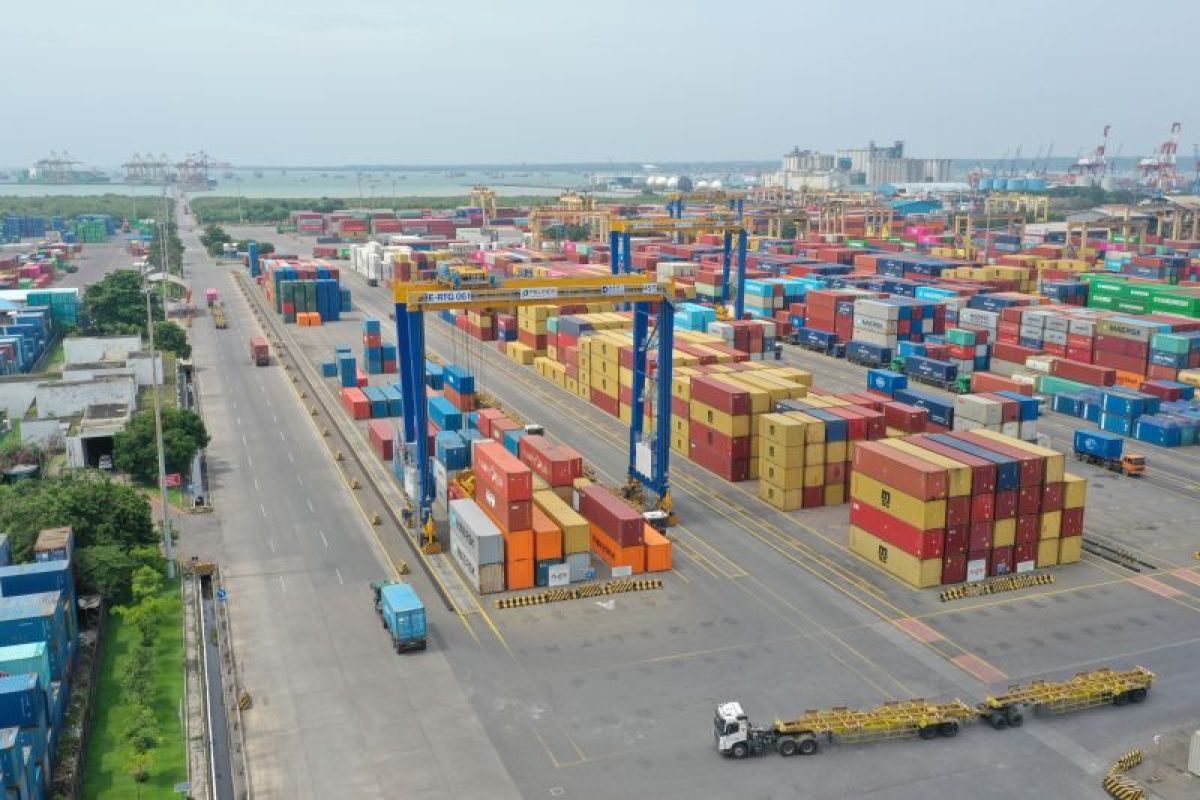
Jakarta (ANTARA) – Port activities are a key driver of the national supply chain and logistics sector. In this dynamic ecosystem, the smooth flow of goods must be supported by efficient and swift financial processes.
The biggest challenge is not simply making payments, but ensuring that the status of funds can be monitored transparently and without difficulty.
Clear, accurate and accessible payment-status information is now a top priority. Recording transactions from multiple channels requires coordination and data consolidation to support more effective financial monitoring.
In response, Qlola by BRI has introduced a digital feature called the Auto Collection Pelindo Dashboard, making it easier to monitor fund movements comprehensively and in real time between port operators and service users.
About the Auto Collection Pelindo Dashboard on Qlola by BRI
The Auto Collection System (ACS) is a modern mechanism designed to support the automated receipt and management of payments.
To optimise this system, Qlola by BRI has introduced a dedicated dashboard that serves as a central hub for monitoring activity and fund movements.
Designed around end-to-end visibility, the dashboard is tailored to port-management needs and gives service users — including logistics companies, shipping firms, freight forwarders, exporters and importers — a clear view of transactions.
Transaction data is presented in one centralised display to simplify monitoring, improve administrative efficiency and increase the accuracy of record-keeping.
Three fund statuses available in one dashboard
A key feature of the Pelindo ACS Dashboard is its ability to present fund positions in a specific and structured way. Pelindo and service users can directly monitor three main fund statuses:
Paid funds: Funds successfully paid by service users for port services. This status confirms that the financial obligation has been settled.
Held funds: Funds temporarily held in accordance with the applicable processes, mechanisms and rules in the port environment.
Released funds: Funds officially released from the held status once all requirements have been met, ready to be allocated to the next stage.
Benefits for port operators and service users
The digital platform supports operational activity across the port ecosystem. For port operators, the dashboard helps monitor payment transactions and manage daily receipts in a more integrated way.
Transparency is essential for port-service users. They can independently check the status of Auto Collection funds to confirm whether a transaction has been recorded, remains on hold or has been released.
The dashboard also offers flexible access to view and download transaction data in various digital formats. Downloadable reports help users reconcile transactions with their financial records and verify that amounts match accurately.
Supporting operational efficiency and reconciliation
The digital platform supports operations across the port ecosystem. Pelindo’s Auto Collection System, connected directly between Pelindo, BRI and service users through Qlola by BRI, integrates payment receipts with the banking system. For port operators, the dashboard helps monitor payments and manage daily receipts more effectively, improving administrative efficiency and transaction visibility.
Access to digital transaction reports ensures that every cash flow is recorded transparently, supporting faster and more informed strategic decisions across the port ecosystem.
Digital transformation in the port ecosystem is no longer merely an option; it is essential to competing in the modern business environment. With comprehensive visibility and straightforward monitoring, the Auto Collection Pelindo Dashboard on Qlola by BRI offers a solution intended to deliver transparency, efficiency and convenience for all industry participants.