
Qatar Reveals Latest Update on US-Iran Negotiations, Is the World Breathing a Sigh of Relief?
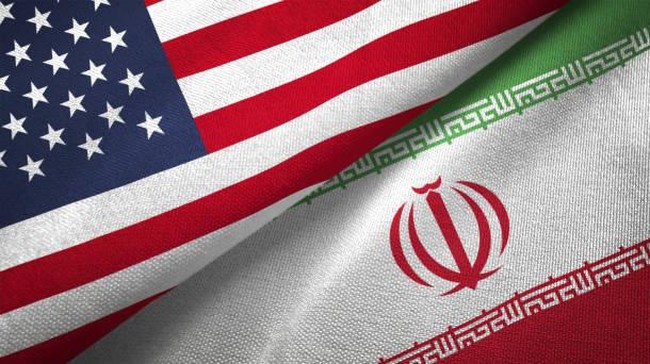
Hopes for an end to the conflict between the United States and Iran have strengthened after Qatar revealed progress in mediation efforts involving several countries. The statement immediately shook global energy markets and pushed world oil prices down by more than 5%, amid expectations that the vital Strait of Hormuz shipping lane could soon be reopened.
However, this optimism is still overshadowed by differing views between Washington and Tehran. US President Donald Trump stated that discussions with Iran had begun, whilst the Iranian government denied that any negotiations with the US were taking place.
Global benchmark Brent crude fell more than 5% following the comments from Qatar on Tuesday. The decline extended a sharp drop from the previous day, fuelled by hopes that a deal could soon be reached to restore shipping traffic through the Strait of Hormuz, which remains blockaded. A vessel was reportedly targeted again whilst attempting to transit the area.
On Tuesday, Trump and Qatar’s Emir Sheikh Tamim bin Hamad Al Thani held a telephone conversation to discuss efforts to narrow the differences between Washington and Tehran and improve the chances of reaching a permanent resolution to the conflict. According to a statement from the Emir’s office, Sheikh Tamim stressed the importance of dialogue and adherence to the US-Iran Memorandum of Understanding agreed in mid-June, which provides for an immediate cessation of military operations.
Trump had said on Monday that talks with Tehran had begun and that Iran faced a “last chance” to reach a deal. However, Iranian officials insisted that no negotiations with the United States were ongoing. Trump’s statement came after his decision over the weekend to call off a planned major attack on Iran, which he described as a “massive strike”. The decision extends a pattern in Trump’s approach of threatening major military action before pulling back and returning to the diplomatic track.
In Tehran, Iranian Foreign Ministry spokesman Esmaeil Baghaei said talks with Oman regarding shipping traffic through the Strait of Hormuz were positive and continuing. Iranian state media reported that the discussions focused on establishing a safe shipping lane. Baghaei added that the route being negotiated aims to guarantee the sovereign rights and national security of both Iran and Oman.
Meanwhile, senior US officials expressed optimism about the ongoing diplomatic developments. US Treasury Secretary Scott Bessent and Secretary of State Marco Rubio both cited progress in the talks aimed at reopening the Strait of Hormuz, a waterway that normally carries about a fifth of the world’s oil and liquefied natural gas supply. “There has been progress made in those talks, but no final decision yet. We are hopeful that can happen in the very near future,” Rubio said. Echoing Rubio, Bessent said a deal with Iran on reopening the Strait of Hormuz could be reached as early as Tuesday or Wednesday.
Despite the diplomatic progress, threats to international shipping remain high. Iran has halted most traffic through the Strait of Hormuz, whilst Washington maintains a blockade on shipping and ports linked to Iran. At the same time, the Iran-backed Houthi group in Yemen has also imposed a naval blockade against Saudi Arabia in the Red Sea, further constricting oil export routes from the Middle East.
The UK Maritime Trade Operations reported that a cargo ship was hit by an unknown projectile near the Strait of Hormuz, off the coast of Oman. Maritime sources said the vessel was a dry bulk carrier. All crew abandoned the ship and one sailor was reported missing. Later, Indian Shipping Minister Sarbananda Sonowal wrote on the platform X that a projectile struck and sank an Indian vessel near Yemeni waters. All 14 people on board were rescued by the Yemeni coast guard.
Iran has for years demanded control over the strait, which Tehran argues should be managed jointly with Oman on the opposite shore. However, last week Iran rejected an Omani proposal for joint supervision and the imposition of voluntary fees on transiting ships. A senior Iranian source said Tehran wants full control over ships entering the strait and the ability to monitor outgoing traffic, including the authority to intervene if deemed necessary. If these demands are met, it would represent a major shift in the balance of power in the Middle East and would make it difficult for Washington to maintain the argument that “Operation Epic Fury,” launched by Trump alongside Israel in February, had succeeded in weakening its old adversary. Washington Institute analyst Michael Knights said Iran’s ability to disrupt regional countries and the global economy remains Tehran’s main trump card. “Their greatest advantage is the ability to harm countries in the region and shake the global economy,” Knights said.