
Qatar dispatches mediator to Iran to ease US sanctions over the Strait of Hormuz
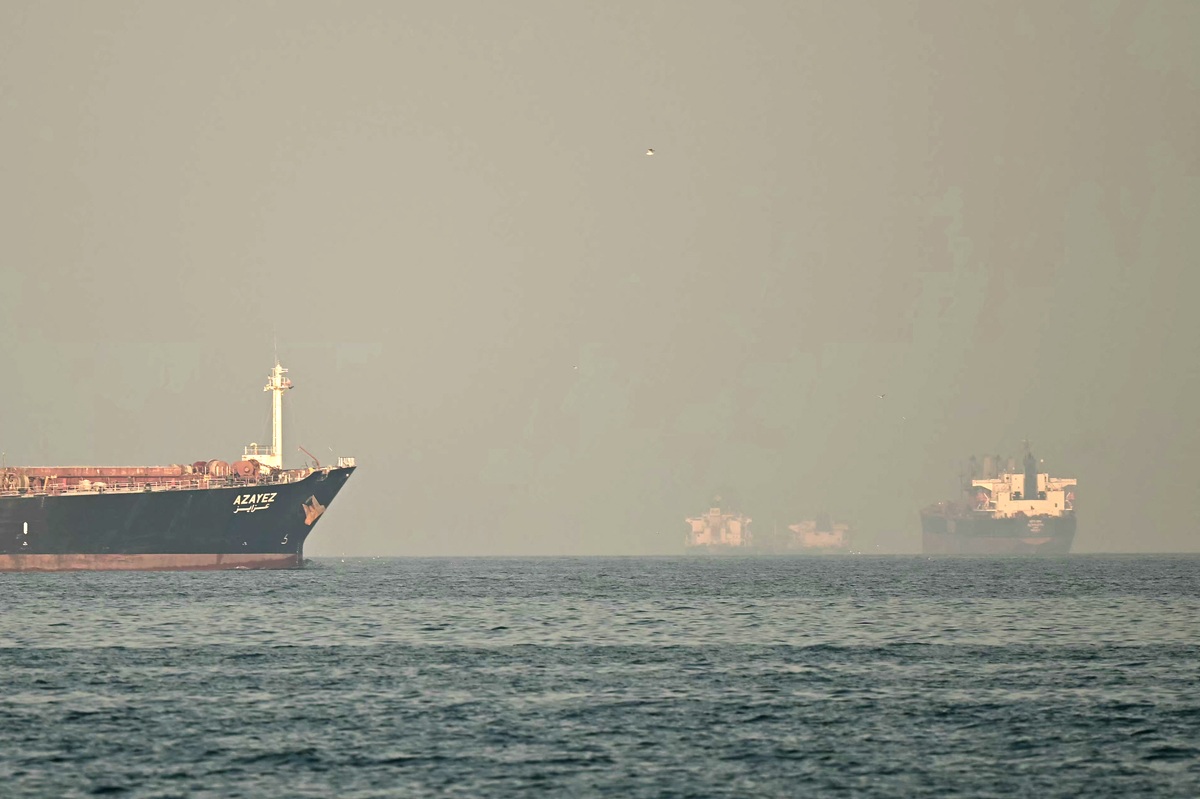
Qatar moves quickly to dispatch a mediation team to Tehran as negotiations over reopening the Hormuz Strait gain urgency. The aim is to sign a memorandum of understanding (MoU) on the routes of international shipping, followed by a 30-day dialogue on Iran’s nuclear program.
Until now, mediation of the US–Iran conflict has been led largely by Oman and Pakistan. Besides Qatar, Pakistan’s military chief, Field Marshal Asim Munir, is also expected to arrive in Tehran, though Tehran has downplayed reports of a breakthrough.
Meanwhile, the United States has been cautious. US Secretary of State, Marco Rubio, said that although there has been some progress, the US strongly rejects Iran’s plan to impose an entry toll on commercial ships passing through the Strait of Hormuz via a new body they created, the Persian Gulf Strait Authority (PGSA).
‘Iran is trying to create a toll system. They are trying to persuade Oman to join them in a toll regime for ships in the international waterway. No country in the world should accept that,’ Rubio said at a meeting of NATO foreign ministers in Sweden.
Iran’s plan to impose tolls has drawn strong opposition from five Gulf states—Bahrain, Kuwait, Qatar, Saudi Arabia, and the United Arab Emirates. In a joint letter to the International Maritime Organization, the five states urged commercial ships not to engage with the PGSA.
‘The route referred to by Iran must be viewed as an attempt to control traffic through the strait by forcing ships to use routes within its territorial waters, which could be used to accrue financial gains via toll charges. Any recognition or acceptance of the route proposed by Iran and the PGSA as an alternative would set a dangerous precedent,’ the five states wrote.
Meanwhile, Iran has insisted that its current focus is on permanently ending hostilities, not nuclear issues. This includes the phased removal of US sanctions, unfrozen assets, and compensation for damage from the US–Israel war.
Iranian Foreign Ministry spokesperson Esmail Baghaei rejected media speculation following US President Donald Trump’s statements demanding Tehran surrender its highly enriched uranium stockpiles. ‘At this stage, the focus of negotiations is to end the war in all fronts, including Lebanon, and media claims on nuclear issues, including enriched material or debates on enrichment, are only media speculation and lack credibility,’ Baghaei told state media. (The Guardian/Z-2)
Foreign Minister Sugiono stated that President Prabowo Subianto is ready to take on the role of mediator if Iran and the United States wish to open a mediation space.
Minister of Religious Affairs Nasaruddin Umar stressed that the Ministry of Religious Affairs should play a strategic role as a bridge and mediator between states and civil society.
Hazem urged five mediators for ceasefire—the United States, Egypt, and Qatar—to press Israel to facilitate the return of refugees to their places of origin.
The United Arab Emirates, Saudi Arabia, and Qatar united in urging U.S. President Donald Trump to prioritise diplomacy to end the war with Iran for the stability of Gulf economies.
US Secretary of State Marco Rubio declared a state of emergency to accelerate arms sales to Israel, Qatar, and Kuwait to bolster defence against Iran threats.
The Qatar Embassy expressed deep condolences on the death of Praka Rico Pramudia, an Indonesian soldier serving with UNIFIL in Lebanon.
Remembering the 2022 FIFA World Cup in Qatar, from Argentina’s dramatic victory to participating teams and controversies that marked the tournament.
Tensions in the Hormuz Strait have escalated. Five Qatar LNG tankers reversed course after warnings that the route would be closed by Iran, threatening global energy supplies.